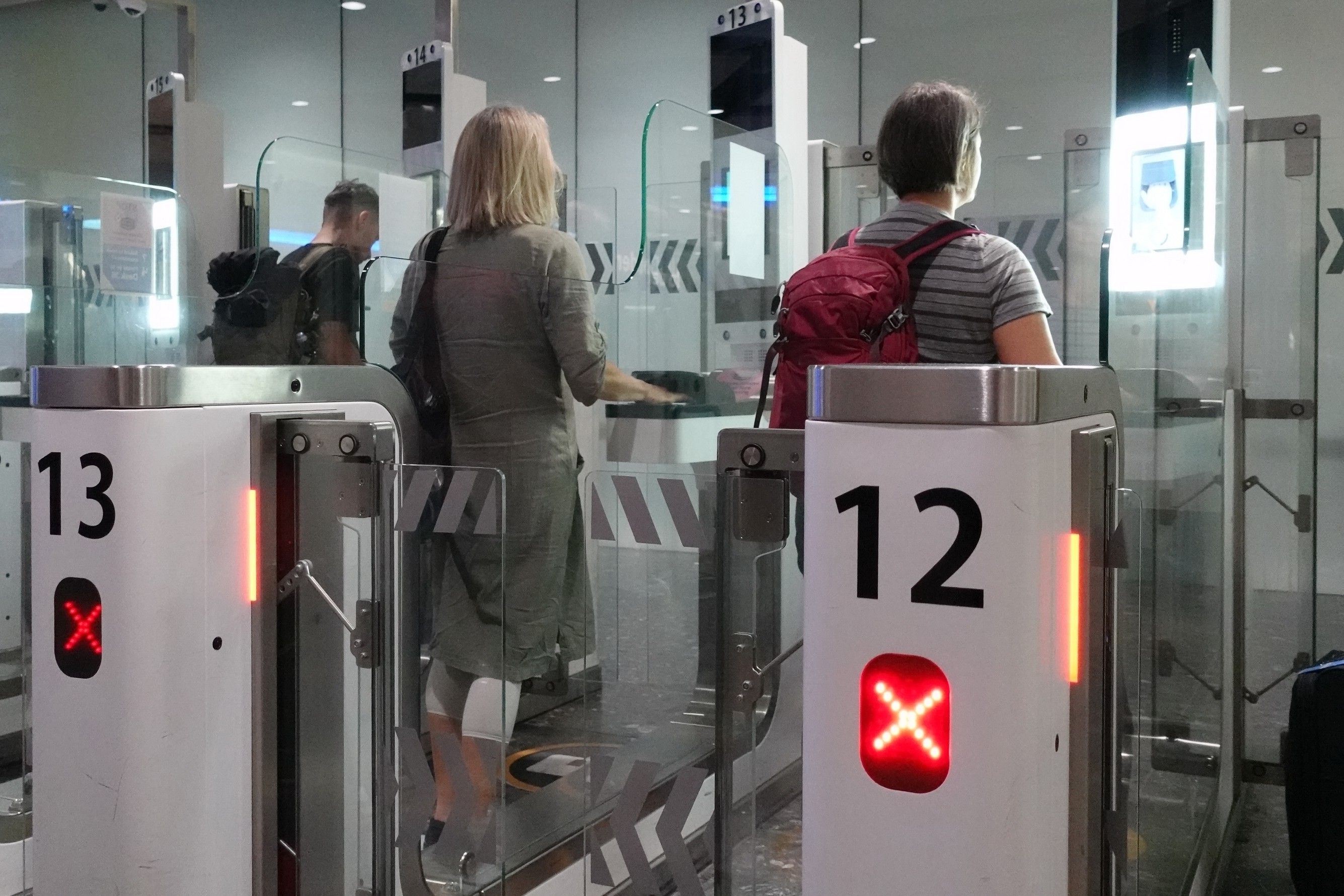
Europe is redefining its entry procedures by closing its borders. After numerous delays, the new EES system, highly relevant for Israeli tourists who are not EU citizens, will come into effect on October 12, exactly one month from now. However, the system will not be mandatory during the adaptation period.
The new system monitors the movements of travelers entering EU countries using fingerprints and digital travel documents. It's linked to the European Travel Information and Authorization System (ETIAS), applicable to citizens of non-EU member countries.
Implementation Delays
The EES allows data collection regarding entry, exit, and entry prevention for citizens of non-EU countries within the Schengen Area. However, it is important to note that ETIAS, the "visa for Europe," can only take full effect six months after the EES is fully operational at all Schengen Area borders.
This means that all airports, ferry ports, and land crossings must implement the system. The installation of the new technology required for the EES faced complications and delays, with many member states initially unprepared for the planned launch.
The full implementation of ETIAS is expected by the end of 2026, with a transition period extending until 2027. According to ETIAS rules, travelers from non-EU countries, including Israel, will need to obtain authorization for tourism visits to EU countries. Travelers will need to apply online, provide personal details, and pay 7 euros. The authorization linked to the traveler's passport will be valid for three years or until the passport expires.
The ETIAS fee will be waived for children under 18 and adults over 70, although they will still need to apply for visit authorization.
If implemented on the new date, the new protocol will require travelers' biometric data, including fingerprints, personal details such as name, nationality, and passport information. Facial photographs are also required, and traditional physical passport stamps will be abolished as part of the change.
The system is designed to oversee these travelers' movements within the EU and alert authorities about overstays or unauthorized entries. Additionally, the new system will facilitate monitoring by police and immigration officers, enhance general security, and prevent fraud, including identity theft.
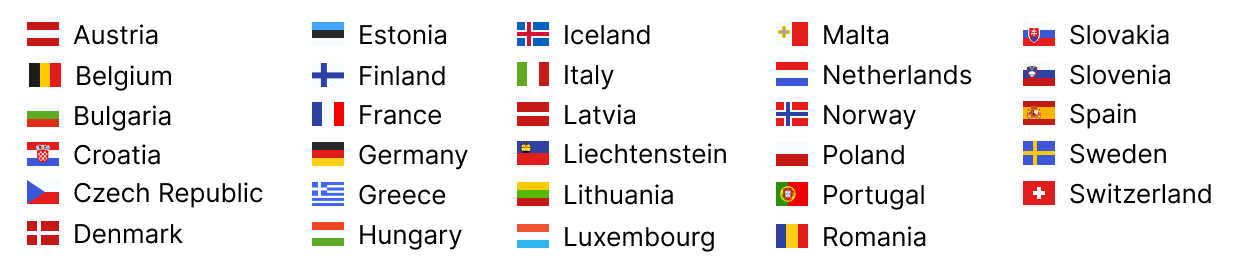
It's worth noting that citizens from non-EU countries: Switzerland, Liechtenstein, Norway, and Iceland are included in the Schengen Area, while EU countries Ireland and Cyprus, located outside the continent, do not participate in the system.
EU countries included in the system, and their citizens will not require EES/ETIAS: