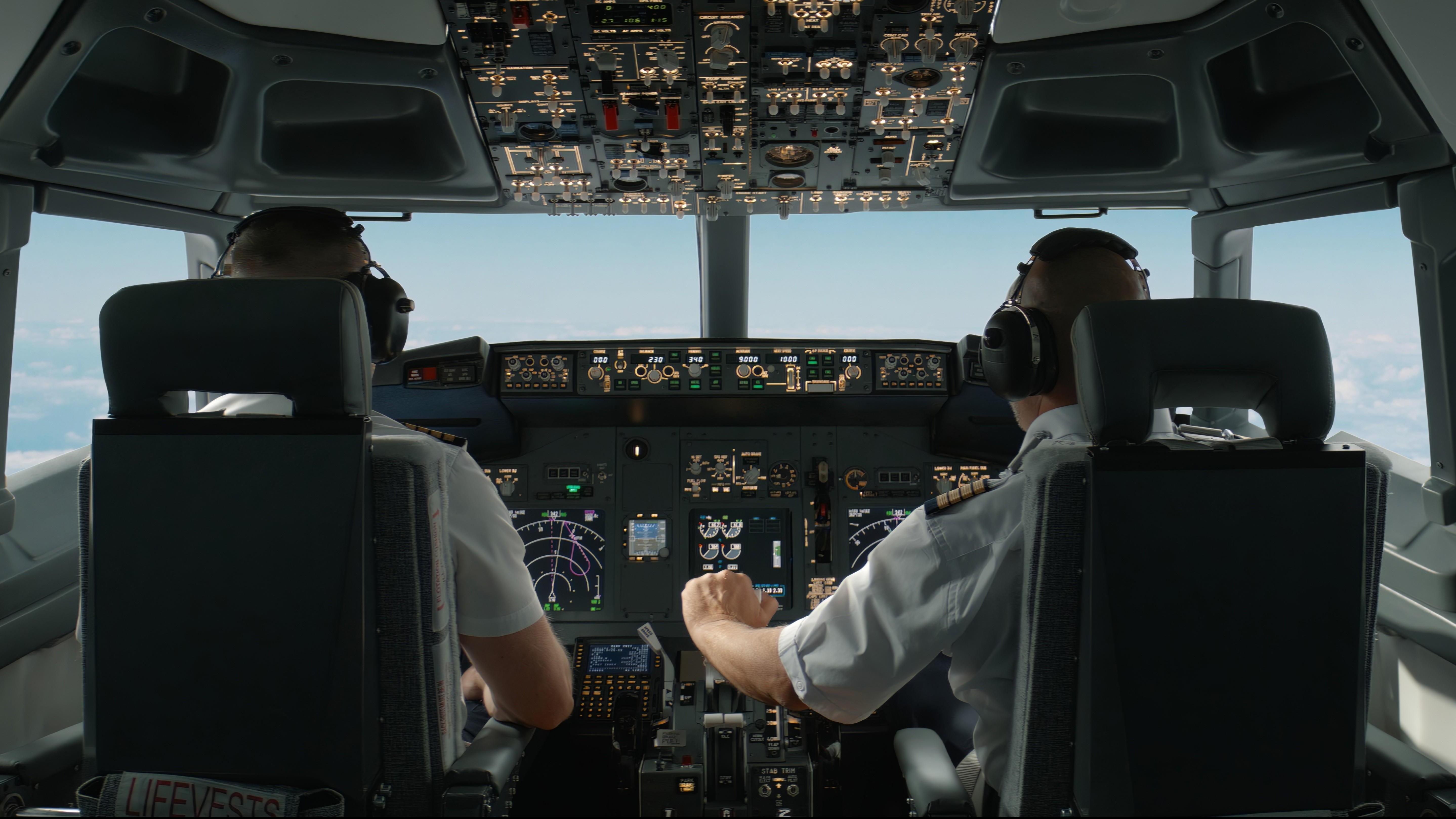
An increase in reported air turbulence. According to Emirates, airlines worldwide have recently reported an increase in the frequency and intensity of air turbulence. The company, which recently celebrated 40 years since its first passenger flight took off from Dubai, offers an advanced solution to the problem.
Multi-Layered Plan
The company has adopted a multi-layered strategy, which involves collecting and processing information from multiple sources simultaneously, providing real-time data, and enabling accurate prediction of air pockets. The move, which went into effect last year, has resulted in a significant reduction in unexpected air pockets during flights on the Emirates route network.
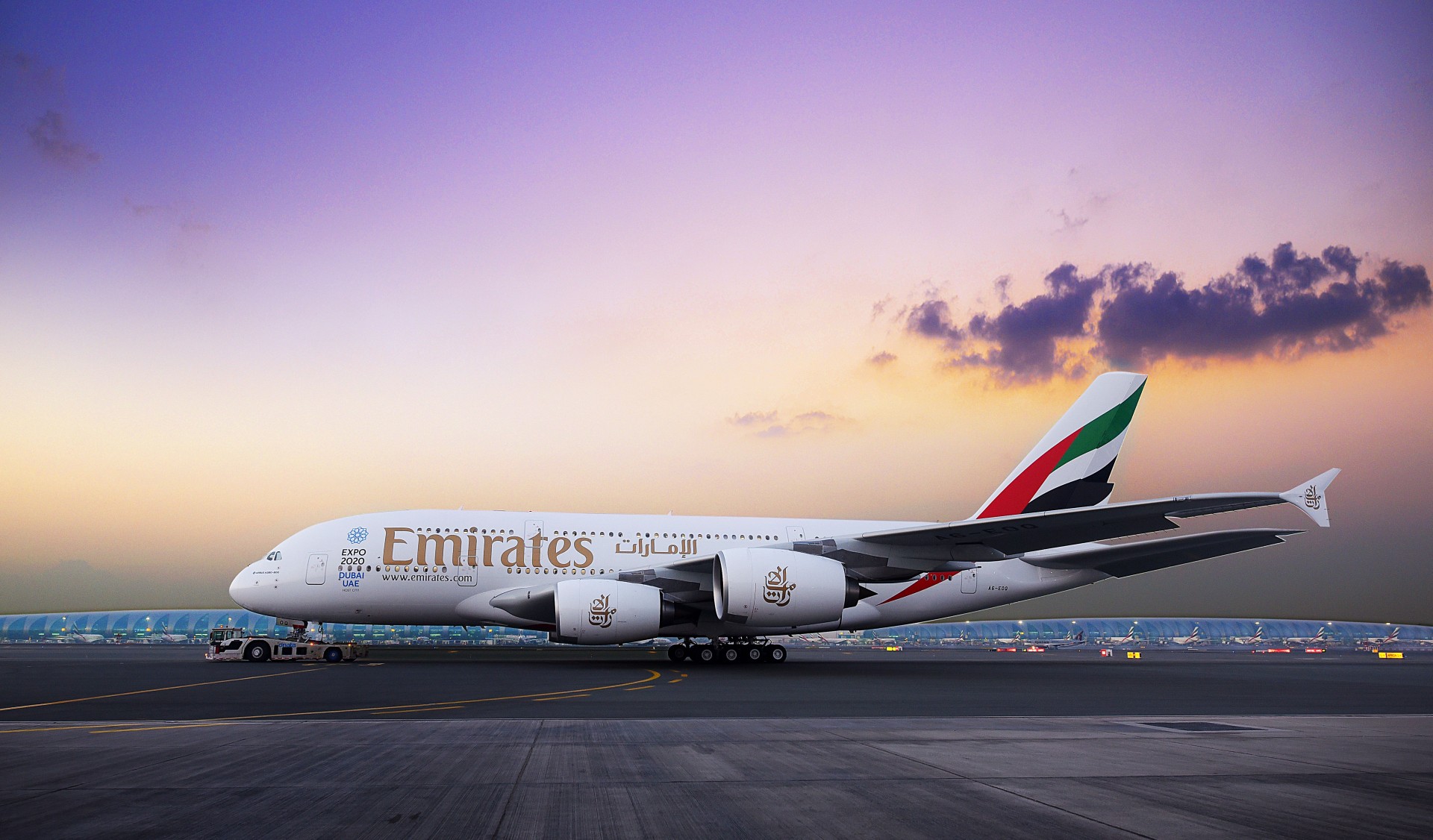 Emirates aircraft, Photo: EMIRATES
Among the tools the company uses are the SkyPath platform, Lufthansa Systems' Lido mPilot system, and the IATA Turbulence Aware initiative.
Combining these systems allows the company to analyze data from various sources in real time, including pilot reports, information from navigation devices, and AI-based metrics, and offer pilots an accurate picture of atmospheric conditions along the route.
The SkyPath platform, which works in partnership with Emirates, uses machine learning and artificial intelligence to identify areas prone to shaking, even in areas where there is no current aviation activity by collecting data from various sources.
The Lido mPilot system provides accurate weather forecasts and real-time reports on cloudiness, air currents, and temperature, in collaboration with the German Meteorological Service. As part of the collaboration, Emirates is working to enhance data quality and global coverage.
In addition, Emirates' participation in the IATA Turbulence Aware program enables it to contribute data collected from its flights across the Middle East, Africa, Asia, and Australia, and enjoy access to a global database that is updated in real-time with information from flights from other companies.
By combining this data, pilots gain access to live maps of expected air pockets, enabling them to plan safer, smoother routes, reduce turbulence, conserve fuel, and enhance the passenger experience.
Click on the image for the airline's full explanation of the systems integration.
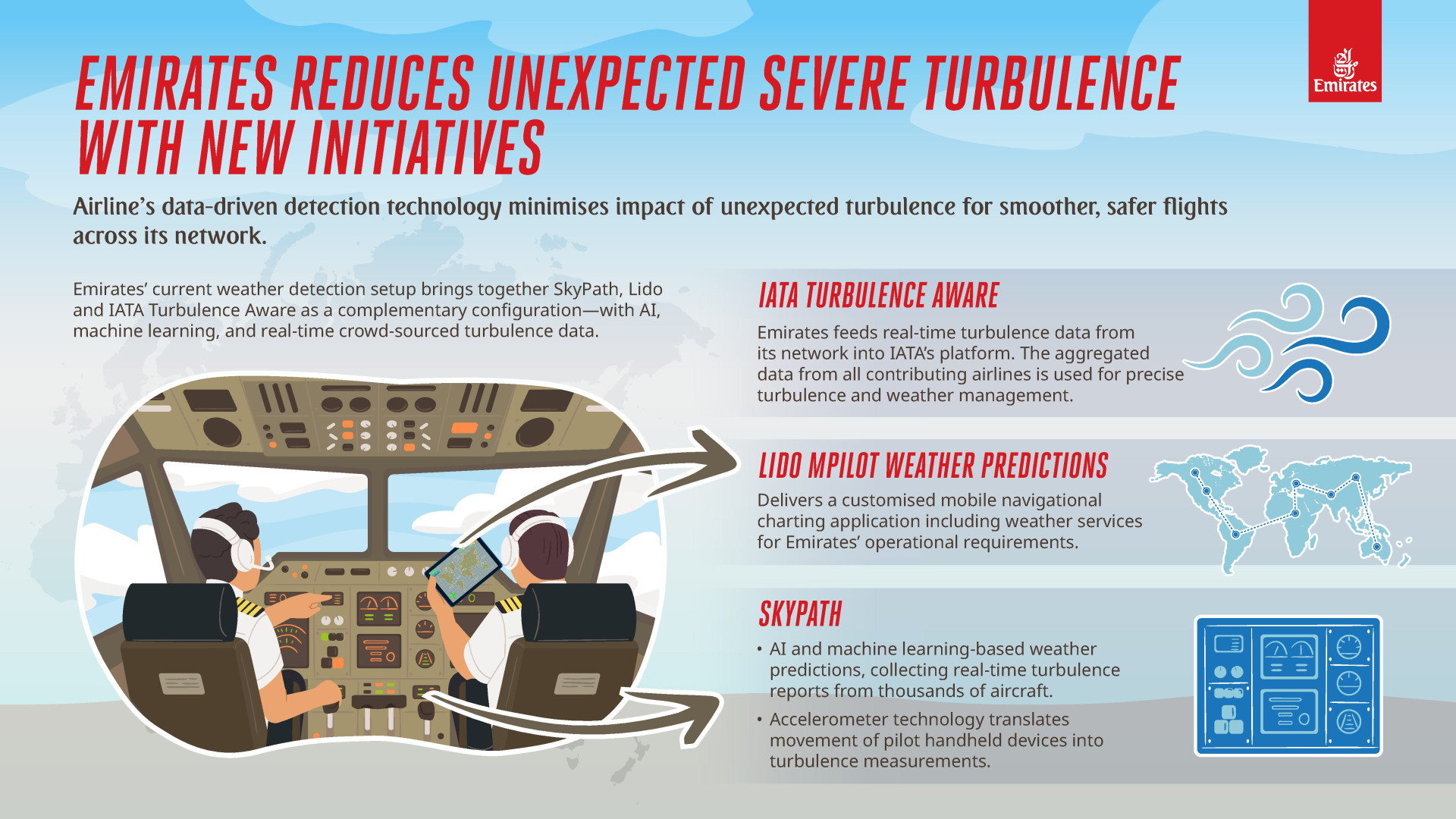 Detection technology. Photo: EMIRATES