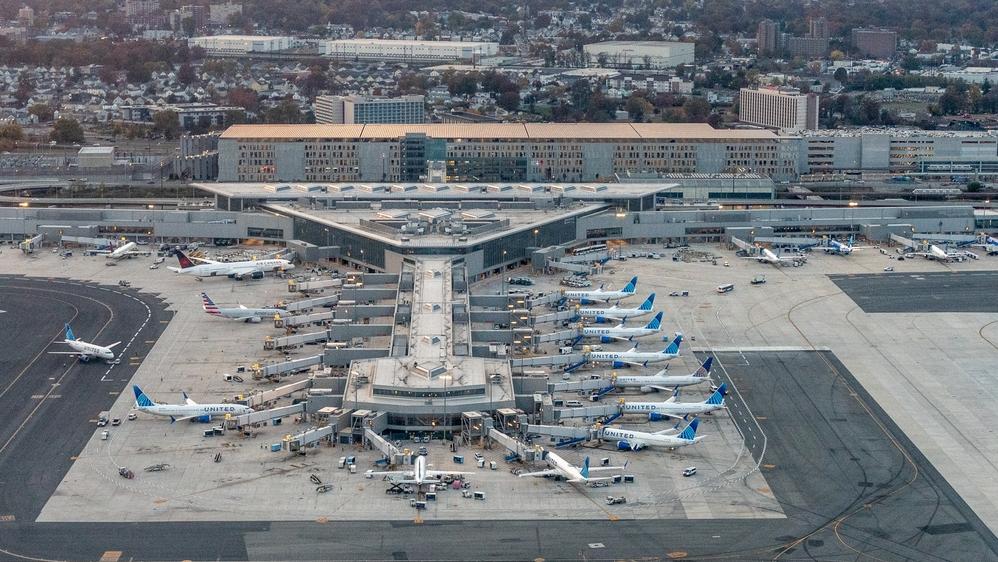
Staff Shortages in Air Traffic Control: Nearly 13,000 air traffic controllers in the United States have been working without pay for weeks, ensuring the safety of more than 50,000 daily movements in the National Airspace System (NAS), according to the FAA's social media announcements last night.
The Federal Aviation Administration (FAA) reported on its official X page that as the weekend begins, there is a significant increase in shift absences (callouts), exacerbating operational pressure at key facilities across the nation.
According to the announcement, half of the facilities included in the Core 30 list, a group of the busiest airports and control facilities in the U.S., are facing staffing shortages. In the New York area, one of the world's most critical aviation hubs, nearly 80% of controllers are absent, underscoring the severity of the crisis and its potential impact on airline schedules.
The FAA further notes that after 31 days without pay, air traffic controllers report increasing fatigue and accumulating stress. In these conditions, the FAA emphasizes there will be no compromise on safety. In cases of severe staffing shortages, the air traffic flow will be reduced proactively to maintain required safety levels. This action may result in delays or even flight cancellations, but it is intended to prevent safety risks in the crowded airspace.
The FAA urges a resolution to the shutdown, which has caused the suspension of payments, so that controllers receive their due salaries and further disturbances in the civilian aviation chain are avoided. They state that restoring budgetary certainty is a fundamental condition for the stable operation of the oversight system, which is based on competence, focus, and continuous work under high pressure.
Passengers are advised to stay informed in real-time about airport conditions and the effects of staffing shortages, weather, or other factors, and to check with the airline for the latest flight status before heading to the airport.
In addition to the FAA's NAS Status website, they also publish regular updates, which may assist in travel planning and reduce uncertainty until the crisis subsides.