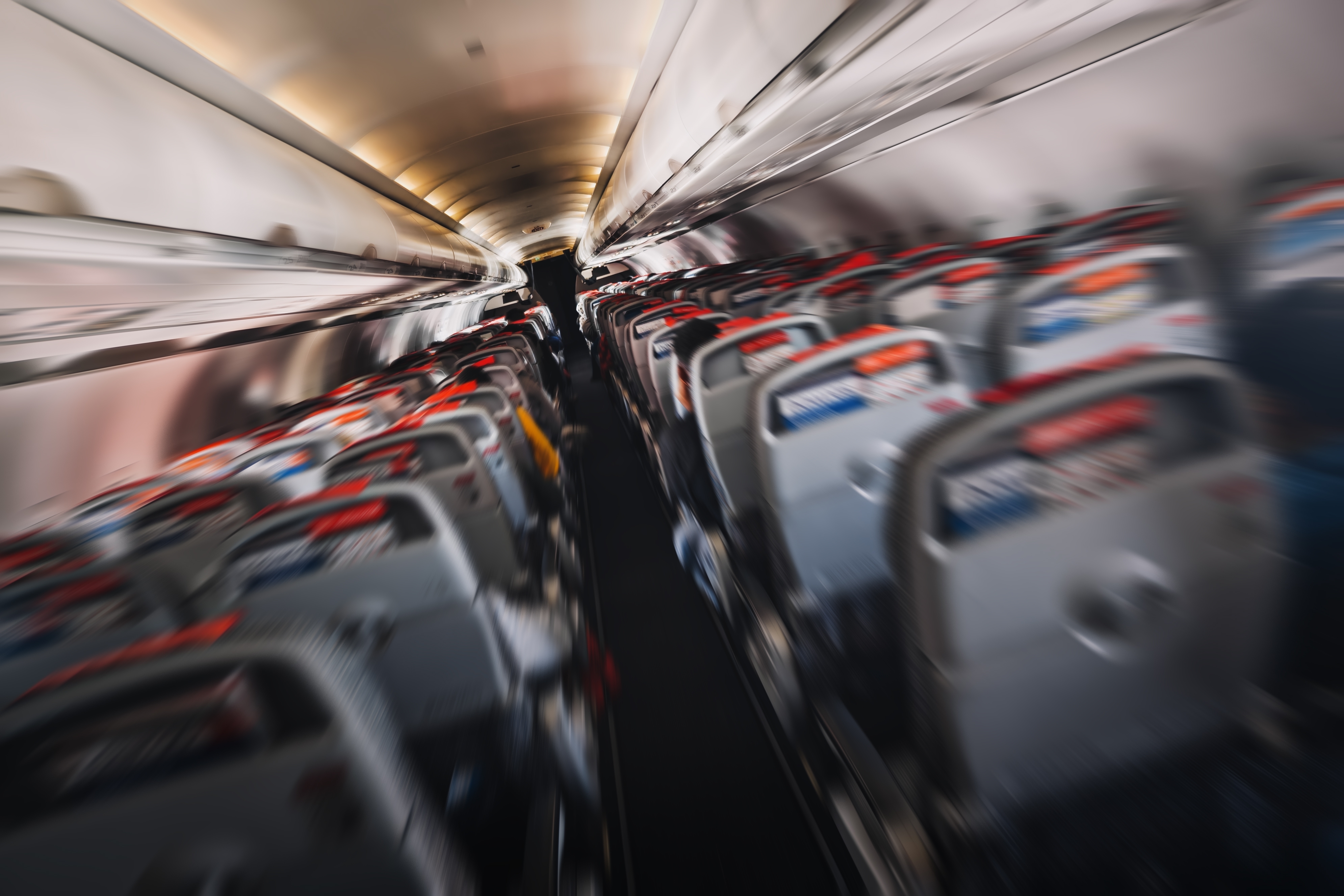
Growing Concerns for Passenger Safety. A significant rise in incidents where passengers and aircrew are injured due to turbulence, sometimes severely, is being reported. These reports were submitted to the ICAO Navigation Conference and highlight that these incidents now represent a major operational risk, emphasizing the need for international cooperation and improvement in monitoring and data analysis mechanisms.
In recent years, safety organizations like the NTSB and European institutions have published updated recommendations for dealing with this risk, while IATA has developed a new information platform based on real-time turbulence data sharing.
Data from the NTSB shows that more than half of the injuries are caused by developed clouds, while "clear air" turbulence accounts for about a third of cases. Strong and moderate turbulence are responsible for most injuries.
Despite advanced technology, the weather remains unpredictable, and risk areas are often difficult to identify in advance.
Protect Yourself
Aircraft manufacturers remind that the best protection for passengers is seat belts. Studies indicate that in most severe injuries, passengers were not buckled up.
According to NTSB data, out of 123 passengers severely injured in the United States over the past decade, only one was wearing a seatbelt. Even relatively mild turbulence can cause injuries, so the clear and central recommendation is to remain buckled while seated.
Severe injuries mainly occur when passengers or crew are thrown from their positions due to a sudden jolt. Additionally, most injuries happen at the rear of the aircraft, where passengers wait for the restroom and aircrew perform their duties.
According to the report, it is recommended to complete in-flight services before descending below 20,000 feet, where most injuries occur.