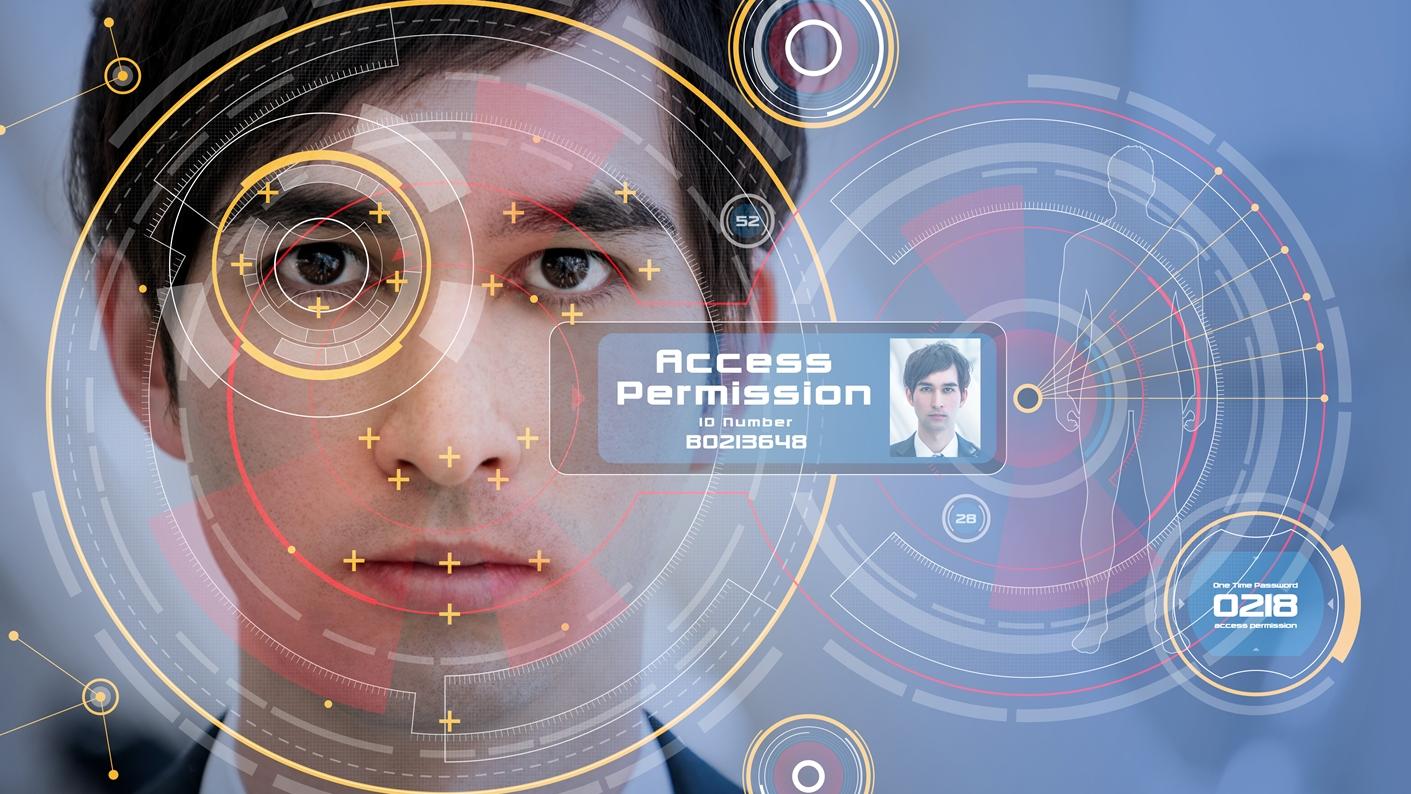
British Transport Police has announced it is getting ready to test Live Facial Recognition at several major railway stations. This will mark the first time that the advanced technology will be used on the rail network. The trial period is anticipated to begin shortly and will run for six months at carefully picked stations in London. The aim is to see how well the system works in a busy transport environment, whether it genuinely improves safety, and how the public reacts to it.
Ahead of each deployment, BTP says it will let people know through its website and social channels. The test sites will be chosen at random. Instead, they will consider a series of factors, including intelligence, with a clear focus on stations where officers believe there’s a higher likelihood of encountering individuals wanted for serious offences.
The police emphasized that the trial has nothing to do with the recent major incident at Huntingdon.
Live Facial Recognition has already been used by other police forces, including the Metropolitan Police and South Wales Police, primarily in roadside or city-centre settings. Bringing it into stations presents its own challenges, given the scale of the railway network and the sheer number of people passing through every day.
On an average day, more than three million journeys are made across Great Britain. BTP plans to place cameras temporarily in station concourses, supported by clear signs so people know what’s happening, plus QR codes linking to more details or feedback forms.
The system works by analysing faces in real time and comparing them against a database of people wanted for serious crimes. If it thinks there’s a match, an alert is sent to an officer who then checks whether the person identified is actually a suspect. Officers will decide for themselves whether any further action is necessary. Images of people not on the watchlist will be deleted immediately, and those who prefer to avoid the cameras can take alternative routes around the station.
Chief Superintendent Chris Casey, the senior officer leading the pilot, said: “As the police force responsible for protecting the railways in England, Scotland and Wales, we take our commitment to keeping the travelling public safe incredibly seriously. We want them to know that as well as actively patrolling and investigating, we’re investing in technology that is going to make them safer too. We’ve seen great results from our policing partners when deploying LFR, and we’re confident that our use of the technology will enable us to achieve similar results."
He added: “I can assure anyone concerned about their privacy that we’re absolutely committed to using LFR ethically and in line with privacy safeguards. Deployments will comply with all relevant legal and regulatory standards, and oversight will include internal governance and external engagement with ethics and independent advisory groups.