Copenhagen is seeking to change how cities approach tourism, bringing the idea to a global stage. At the European Tourism Forum, the city introduced DestinationPay, a new model that encourages destinations around the world to reward visitors for simple actions that help local communities.
The model builds on CopenPay, a program that allows tourists to “pay” with good deeds, such as picking up litter or biking to cultural sites, in exchange for free or discounted experiences.
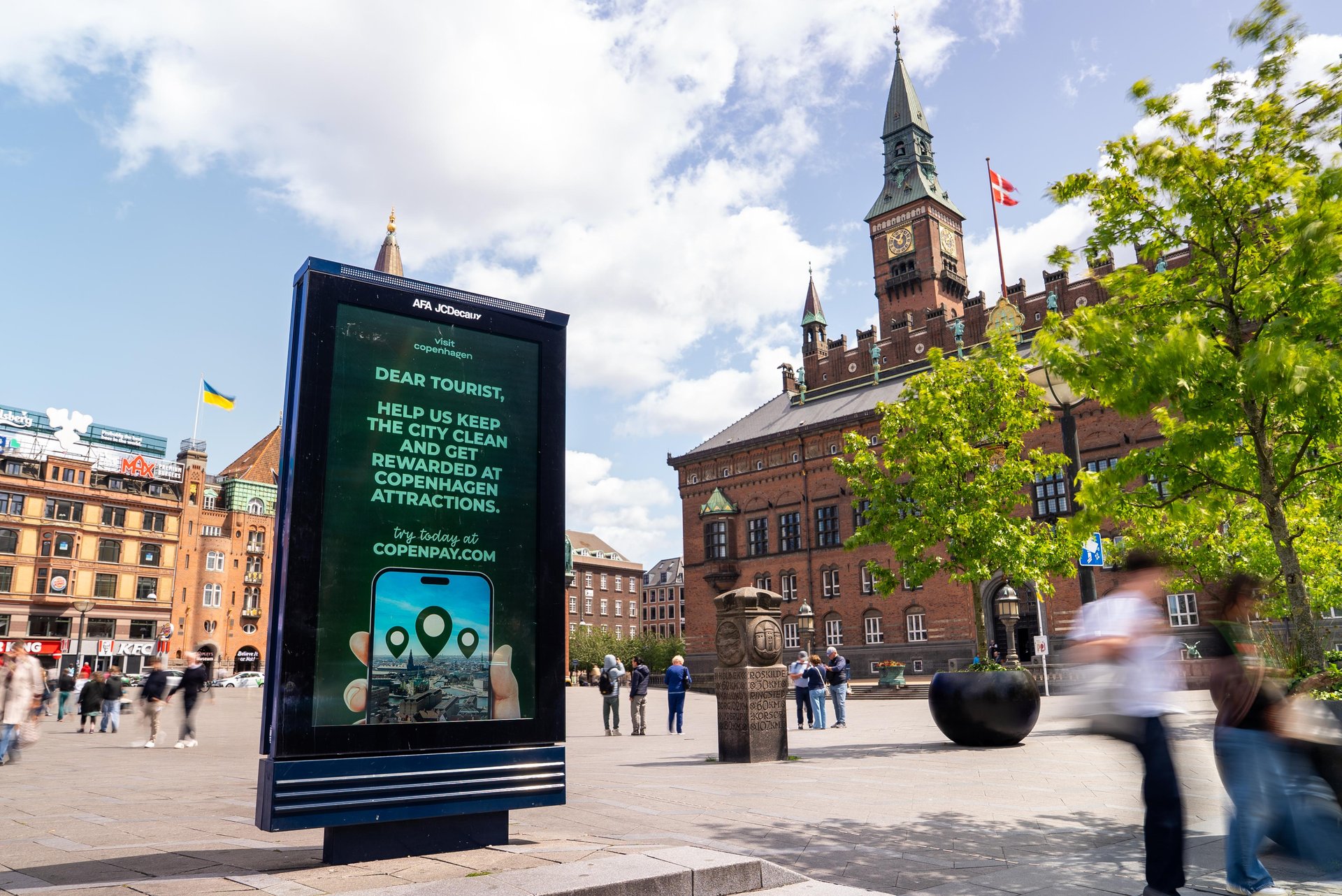 Photo: CopenPay, MarkTanggaard (DestinationPay)
DestinationPay was developed by Wonderful Copenhagen, the city’s official tourism board. The idea is to give other destinations a clear framework for creating their own version of CopenPay, so they can ultimately channel visitor behaviour toward something positive without overcomplicating the experience.
 Photo: CopenPay, Øens Have (DestinationPay)
“We’ve seen how many of our visitors seek different and more meaningful experiences. Tourists don’t just want to see a city anymore, they want to be part of it. CopenPay gave them that opportunity. DestinationPay is how we scale this mindset to the world,” said Søren Tegen Petersen, CEO of Wonderful Copenhagen.
Strong Interest in the Program
With the launch, Copenhagen is inviting cities and regions everywhere to join. The hope is that even small efforts can add up when many destinations participate. Wonderful Copenhagen will host a free online webinar in February, offering everything it has learned over two years of running CopenPay, including research, data, tools. and a full playbook for adapting the model.
 Photo: CopenPay (DestinationPay)
Interest has been strong. After CopenPay went live, more than 100 destinations reached out to learn how it worked. DestinationPay is meant to answer that demand by turning local experimentation into a global resource.
“We believe CopenPay is too important to keep to ourselves,” said Petersen. “Many destinations are already considering implementing it, and Berlin was the first to create their own DestinationPay, BerlinPay. We’re not just allowing others to use the model, we’re encouraging it, and we wish to share all our learnings and even the challenges we’ve faced along the way.”
Berlin is preparing to launch its own version this summer. France’s Normandy region is considering how to adapt DestinationPay as well, building on its existing Low-Carbon Rate program that rewards visitors who travel by train, bus, or bike.
Across the industry, there’s a growing sense that tourism needs to evolve. EU Commissioner Apostolos Tzitzikostas praised the move, saying the initiative aligns with the EU’s broader push for more thoughtful, sustainable travel.
DestinationPay signals a shift in how cities measure tourism’s value. Instead of focusing only on spending, it asks what visitors contribute, and how destinations can encourage them to leave a place a little better than they found it.
