90% of Emissions Off: EU Sets 2040 Climate Target, Affecting Arilines, Cruises, and Hotels
90% of Emissions Off: EU Sets 2040 Climate Target, Affecting Arilines, Cruises, and Hotels
90% of Emissions Off: EU Sets 2040 Climate Target, Affecting Arilines, Cruises, and Hotels
The EU has reached a deal to slash net greenhouse gas emissions by 90% by 2040, updating its Climate Law and long-term targets; what does this mean for cruise lines, airlines, and hotels?
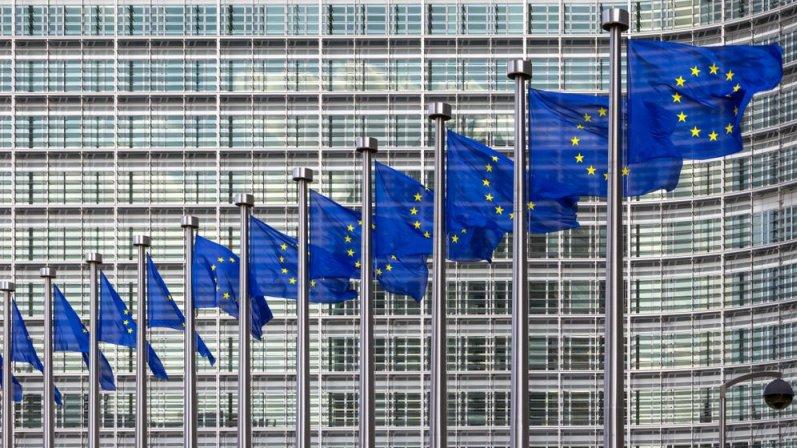
European Union Building in Brussels. Photo: Shutterstock
The European Union has set a new 90% reduction milestone in net greenhouse gas emissions by 2040 compared with 1990 levels. The new target is the result of a deal inked between the European Parliament and EU member states that comes to further support additional changes to the EU Climate Law.
The agreement aims to set a steady path toward climate neutrality by 2050, with key compromises allowing the EU to use high-quality international carbon credits to cover up to 5% of the 2040 target. In practical terms, this translates to a minimum 85% reduction that must continue within the EU.
The Commission argues that a clear 2040 goal will give businesses and investors the confidence they need to plan ahead, support Europe’s industrial transition, and boost energy security at a time when global supply chains remain fragile.
At the international level, the EU considers the deal as evidence of its commitment to the Paris Agreement. Commission President Ursula von der Leyen framed it as a move from promises to delivery. “Today, the EU is showing our strong commitment to climate action and the Paris Agreement. One month after COP30, we have turned our words into action, with a legally binding target of 90% emissions reduction by 2040,” she said.
“We have a clear direction of travel towards climate neutrality. And a pragmatic and flexible plan to make the clean transition more competitive.”
Member states will also be given more leeway to balance progress across sectors, allowing shortfalls in one area to be offset elsewhere, as long as overall targets are met. The deal also opens the door to using permanent carbon removals within the EU emissions trading system to deal with sectors where cutting emissions remains especially difficult.
The agreement will delay the start of the second emissions trading system, which will cover buildings, road transport, and small industries, by one year. ETS2 will begin in 2028 instead of 2027, although monitoring and reporting obligations are already in place.
The next step is formal approval by the European Parliament and the Council. Once adopted, the updated Climate Law will be published in the EU’s Official Journal and enter into force.
What Do the New Requirements Mean for Airlines, Hotels, and Cruises?
Travel businesses, with special emphasis on hotels, airlines, and cruise line operators, will need to align with the new meaures and accelerate decarbonization.
Airlines, expected to account for 45% of transport emissions by 2030, wil need to focus on making the switch to sustainable aviation fuel(SAF).
Hotels and other non-residential buildings will need to focus on reaching energy efficiency targets by installing new windows, using proper insulation, installing energy-efficient heating and cooling, and using renewable heat pumps instead of boilers that work on fossil fuel. Plus, hotels built from 2030 will need to emit zero emissions.
As for cruise line companies, the new EU rules ask for ships that weigh more than 5,000 gross tons to cut the intensity of greenhouse gas by 2% by the end of 2025, rising to 80% by 2050.
Moreover, passenger ships will be required to connect to onshore power when reaching EU ports from 2030 onward, or exclusively rely on zero-emission alternatives when docked.
We and our partners use cookies to enhance your website experience, learn how our site is used, offer personalised features, measure the effectiveness of our services, and tailor content and ads to your interests while you navigate on the web or interact with us across devices. By clicking "Continue" or continuing to browse our site you are agreeing to our and our partners use of cookies. For more information see