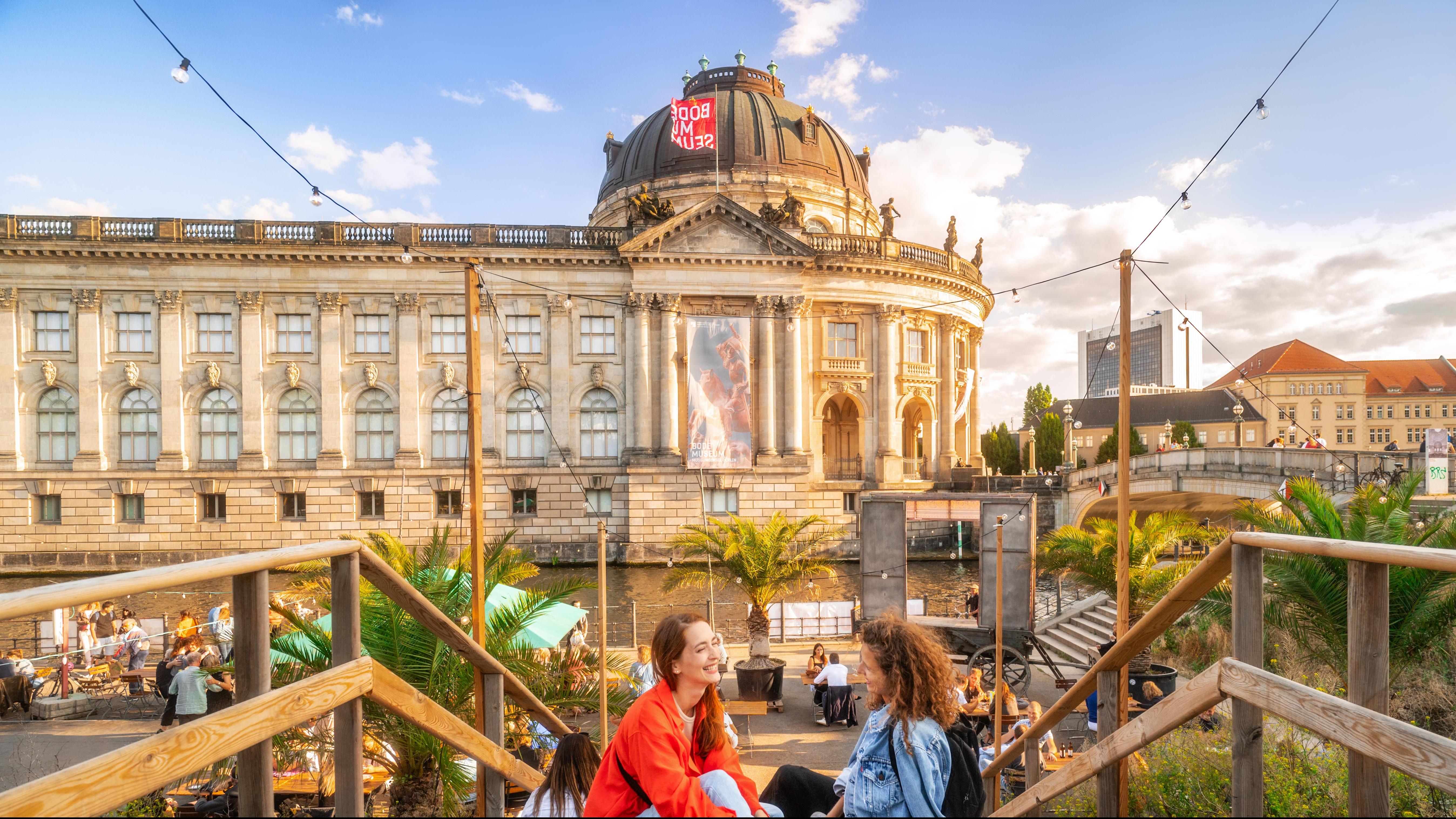
Berlin continues to establish itself as a destination that offers much more than the classic must-see sites. From my first visit, I realized that it is a city that never ends. Alongside the Brandenburg Gate, Museum Island, and the Berlin Wall, the emerging dynamic city invites you to get to know it through its neighborhoods, small streets, burgeoning food scene, and major international events that attract audiences from all over the world.
An Easy Flight to a Fascinating Destination
To enjoy everything Berlin has to offer, you first need to get there, and the route is simple and convenient. Many flights are currently available from Tel Aviv to Berlin, with a wide range of frequencies and prices. Companies such as El Al, Israir and Bluebird operate on the route, offering direct flights to the destination, alongside additional companies depending on the season.
The flight duration is about four and a half hours, and the route is considered one of the most sought-after from Israel to Europe, and not by chance. Both tourists and business people enjoy high connectivity, convenient schedules and the option to choose between full service and discounted flights.
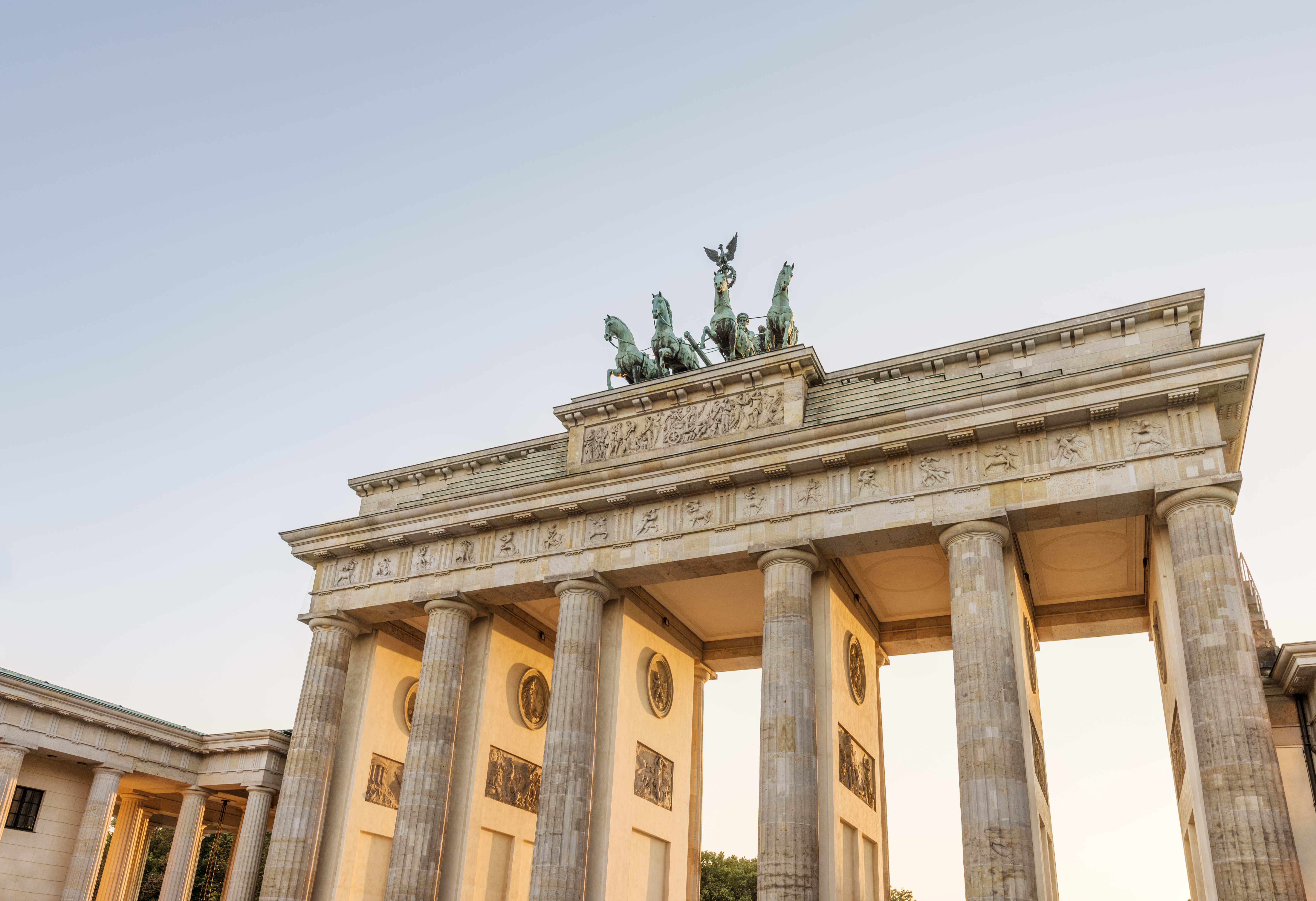 Brandenburger © visitBerlin. Photo: Dagmar Schwelle
A Mosaic of Neighborhoods: 12 Districts, Countless Identities
Berlin is not a uniform city, but a fascinating mosaic of neighborhoods and districts, each with its distinct character, different rhythm and unique local story. The city is divided into 12 official districts, but, in reality, the visiting experience usually takes place throughout the "Kiez" (neighborhood). That's where you really feel the city. Between local cafes, neighborhood parks, small markets and community cultural institutions, this is the real Berlin.
Charlottenburg-Wilmersdorf represents classic West Berlin with its Kurfürstendamm boulevard, shopping complexes like Bikini Berlin, opera houses and theaters, and elegant architecture from the city's heyday. Friedrichshain-Kreuzberg, on the other hand, represents the alternative spirit, with nightlife, street art, young culture, and a bold culinary scene along the Spree River. Neukölln continues to be one of the city's most dynamic districts, with a mix of long-standing communities, ethnic food, independent galleries, and a vibrant street life.
Districts like Lichtenberg and Marzahn-Hellersdorf offer a completely different angle, as they are less touristy, greener and more surprising. Here you will find spacious parks, local museums, a panoramic cable car, and spectacular high-rise spots like the Skywalk Marzahn.
Steglitz-Zehlendorf and Reinickendorf combine lakes, forests and palaces - the perfect escape from the city without actually leaving it.
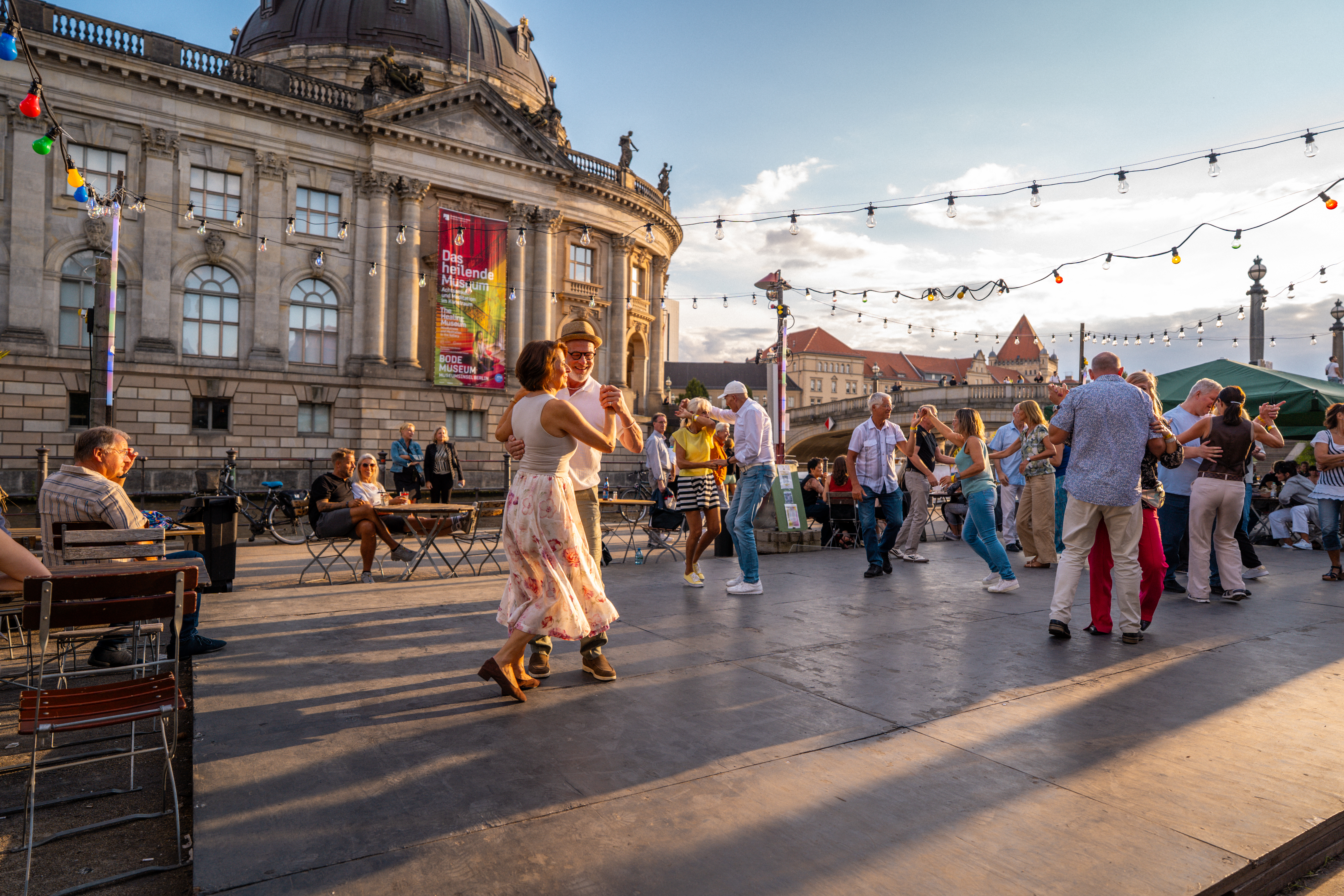 Berlin in summer © visitBerlin. Photo: Eric Maier-Rehm
Going Local: Discover Berlin Like a Local
In recent years, Berlin has been promoting a more local visitor experience that encourages people to get off the beaten track. The idea is simple: slow down and get to know the city by walking, cycling, boating on the lakes, and spending time at neighborhood cultural institutions. Each district hides small places that, together, create an authentic picture of the city.
Among them, waterfront promenades, city beaches such as Strandbad Wannsee and Orankesee, independent breweries, neighborhood cinemas, indoor markets, historical monuments and unique museums. Former industrial areas have been converted into cultural, theater and contemporary art complexes, and have become centers of attraction for both local and international audiences.
Berlin is not in a hurry. And that's exactly its charm. It allows you to wander, stop for a coffee, sit in a park or discover a small shop by chance. For repeat visitors, it's a way to discover a whole new city.
 Bonvivant restaurant in Schöneberg © visitBerlin. Photo: visitBerlin
International Culinary Capital
Berlin is establishing itself as one of Europe's leading culinary capitals. The city is home to dozens of Michelin-starred restaurants, alongside thousands of neighborhood eateries, cocktail bars, cafes and bakeries. The city's uniqueness lies in its combination of high culinary standards with creative freedom, nonchalance and an open approach to new trends.
One of the most notable trends in Berlin's dining scene is a shift from a personal dining experience to a collaborative one, where a meal becomes a social event around one table. Many restaurants are embracing the sharing concept, with dishes designed to be enjoyed together rather than divided according to the old principle of one dish for one diner.
Notable spots include Brasserie November in Prenzlauer Berg with Japanese-inspired dishes, BoiiBoii in Kreuzberg with contemporary Thai cuisine, and Italian restaurants Zum heiligen Teufel and Kanal 61, which specialize in sharing plates. In Neukölln, Barra stands out, which operates under the motto "better shared", and in Charlottenburg, on Kantstrasse, 893 Ryotei offers a shared Asian gourmet experience.
Meanwhile, Berlin's brunch culture has expanded far beyond the weekends, with places like Benedict open until late, Frühstück 3000 in Kreuzberg and Schöneberg, Jómo in Prenzlauer Berg, and Venue in Neukölln and Steglitz. And if you like to discover new places, The Dawn is also set to open on the roof of the Kalle Neukölln complex in February.
Other trends include casual fine dining and sustainable cuisine, with award-winning restaurants such as Bonvivant in Schöneberg, Bandol Sur Mer on Torstrasse, Horváth in Kreuzberg, Nobelhart & Schmutzig, Rutz, the city's only three-Michelin-star restaurant, and BRIKZ near Sabineplatz, all demonstrating the connection between creativity, quality and values.
The festive highlight of the culinary year is the Berlin Master Chefs ceremony, to be held on November 13 and dedicated to the key figures who have shaped Berlin's gastronomic profile for more than 25 years.
The food scene is also strengthened by festivals and dedicated events such as Berlin Food Week, eat!Berlin, street food festivals, beer week, coffee week, and ice cream and chocolate festivals. More and more tourists come to Berlin specifically for the food, and culinary has become one of the main factors in choosing the city as a tourist destination.
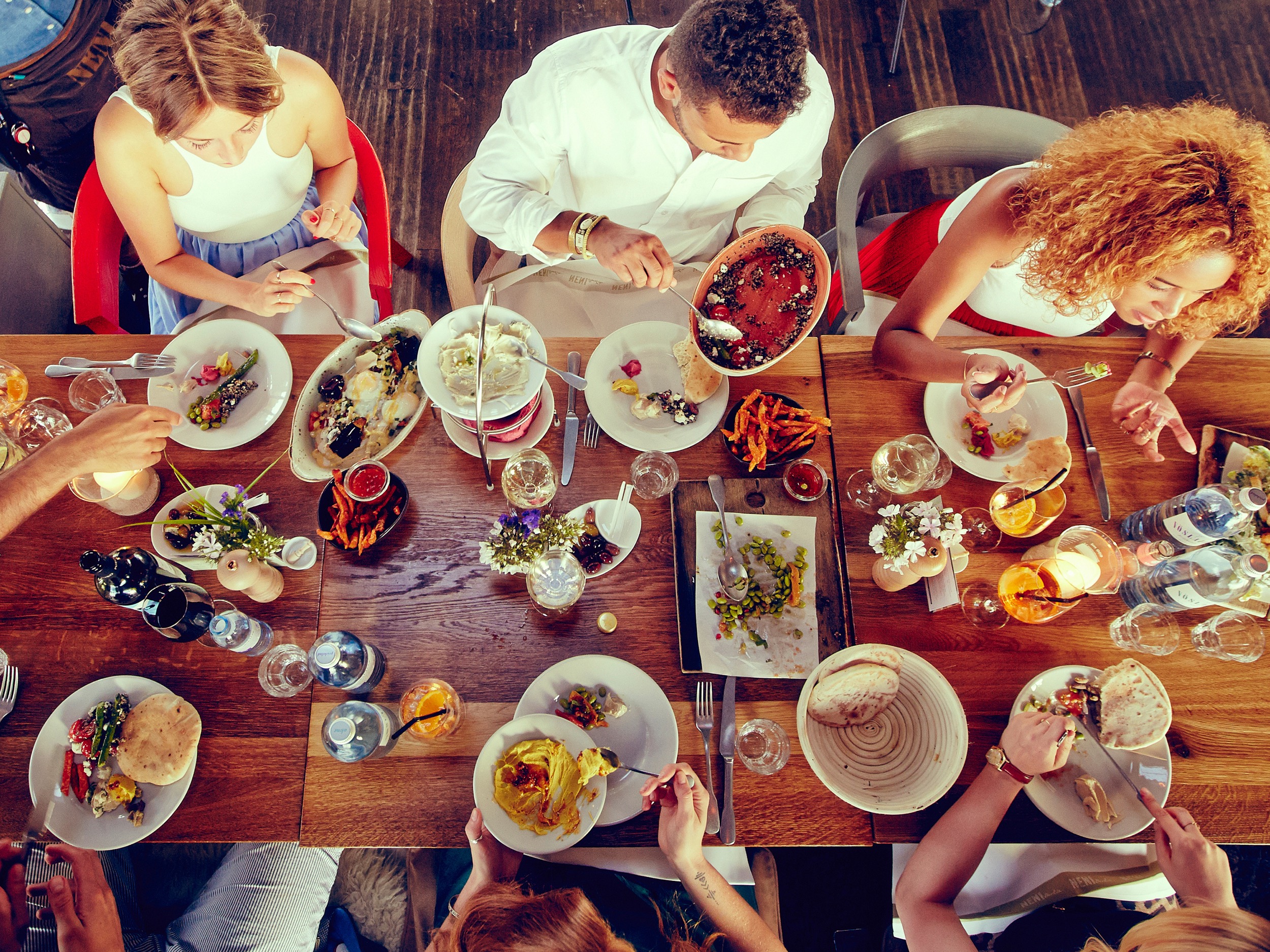 NENI Restaurant © visitBerlin. Photo: Stephan_Lemke.com
A Strong Start to 2026
The new year kicked off in Berlin with a series of international events. On January 15, the Uber Arena made sports history by hosting the first-ever official NBA game in Germany, between the Orlando Magic and the Memphis Grizzlies. The moment illustrates how much of a global stage the city has become.
At the same time, new cultural and food experiences are getting ready to open. Immersive culinary experiences, new restaurants in Friedrichshain, Kreuzberg and Charlottenburg, Asian cafes, neighborhood flea markets and new food courts attract locals and visitors even in the winter season, so that even a visit outside of the summer season feels full and packed.
The arts and culture scene continues to expand with digital exhibitions, experimental sound shows, and theater and music performances in former industrial complexes, keeping Berlin dynamic even outside of the summer season.
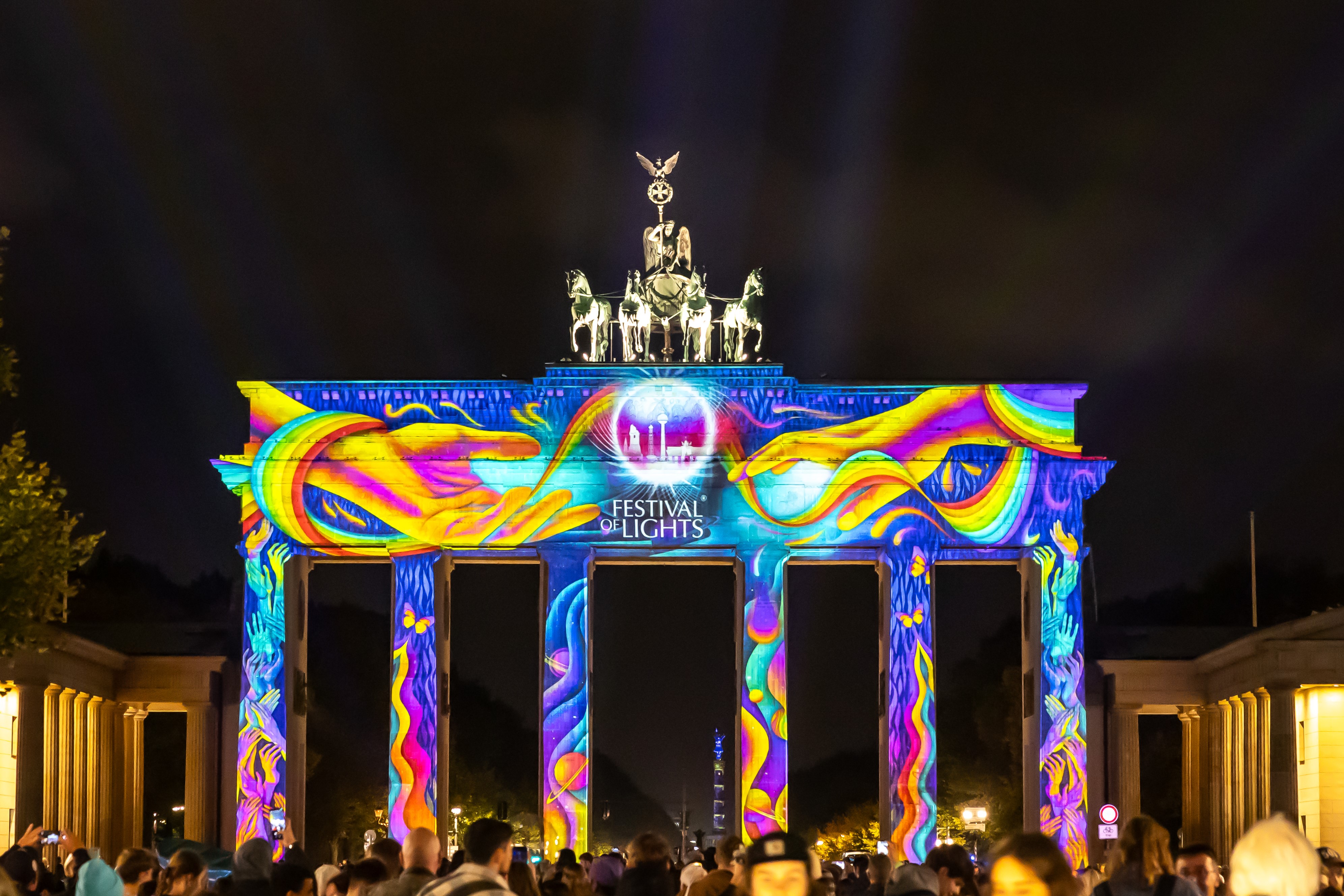 Festival of Lights 2023 © visitBerlin. Photo: Zander und Partner
Berlin's Events Calendar: Non-Stop Culture
Berlin offers an almost non-stop stream of events throughout the year. In January, the International Green Week, the world's largest agricultural and food exhibition, will take place, celebrating its centenary in 2026. In February, the Berlinale, the international film festival, returns with hundreds of screenings and cultural events throughout the city.
Spring and summer are dedicated to art, music and outdoor events: Gallery Weekend, re:publica, Carnival of Cultures, Fête de la Musique, music festivals like Lollapalooza, the Pride Parade and open-air concerts in city squares. Autumn brings the Berlin Marathon, Museum Nights and the Festival of Lights.
In 2026-2027, cultural events on a global scale are also expected, including exhibitions by Brancusi and Monet, the reopening of the Hohenzollern House Crypt in Berlin Cathedral, and a planned highlight in 2027 with the reopening of the Pergamon Museum and the return of the Pergamon Altar to full display.
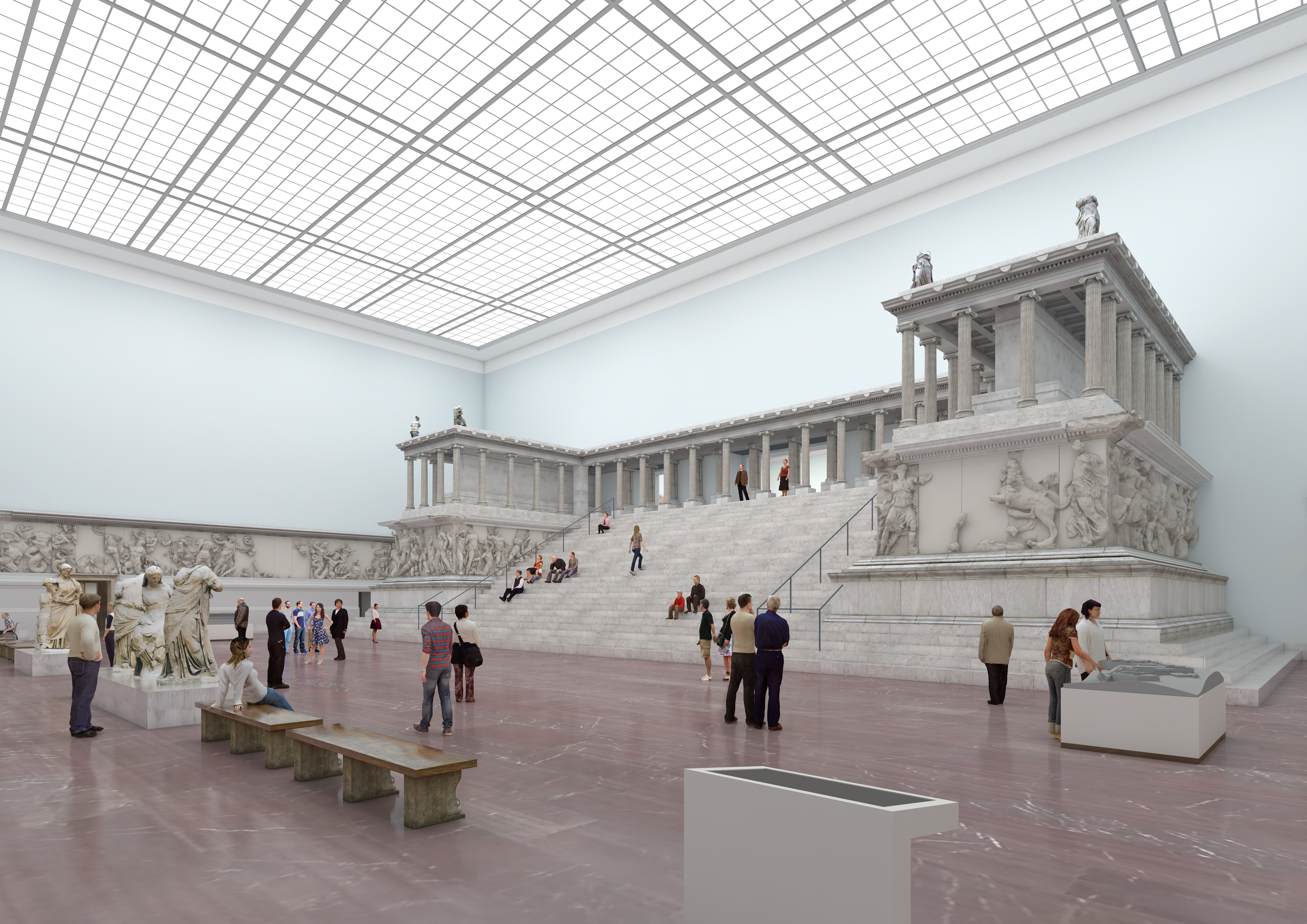 Pergamon Altar © visitBerlin. Photo: Johannes Laurentius
Berlin offers an ongoing experience that is independent of the season. The combination of local neighborhoods, international cuisine and huge events makes the city a destination that continues to renew itself and surprise even those who have already visited it before. It is a city where there is always something to discover, even if you have already been there, and even if it seems like you have seen everything.
For more information about attractions in Berlin, visit the official website of the city.