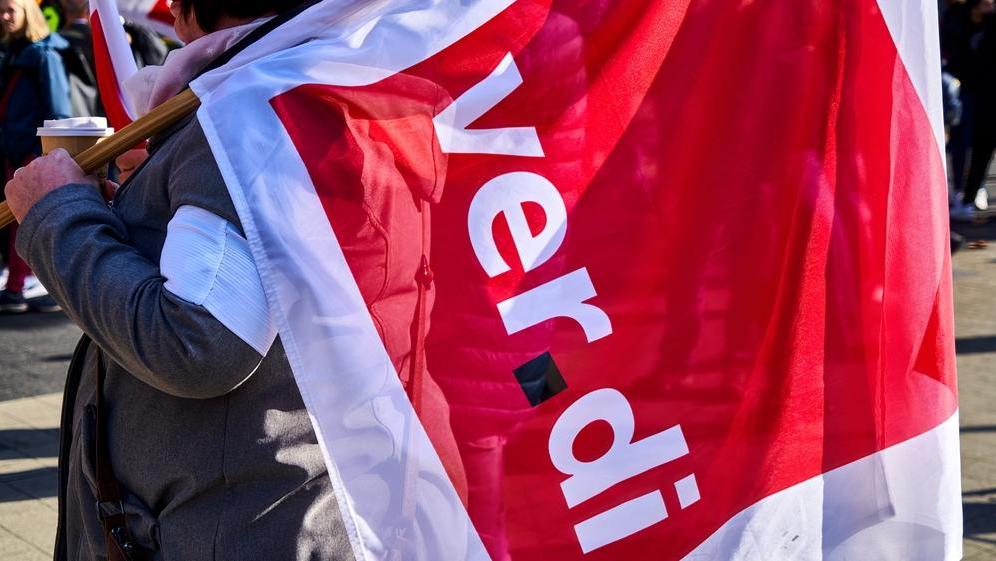
Widespread disruptions to U-Bahn, tram, and bus services are expected in many cities across Germany, following a nationwide warning strike announced by the Ver.di trade union. The public, including tourists and international travelers, are urged to prepare in advance, consider alternative transportation options, and stay up-to-date with official information channels.
The strike is part of the current round of negotiations on wage and conditions agreements in municipal public transportation companies, which is taking place in all 16 federal states, mostly against the municipal employers' associations (KAV).
ver.di emphasizes that the main demands concern not only wages but, first and foremost, improving working conditions in the public transportation sector, which is characterized by high workloads, long shifts, and constant time pressure. The list of demands includes:
- Shorter work weeks and shift times
- An extension of the rest periods between shifts
- An increase in wages for night and weekend shifts
In Bavaria, Brandenburg, Saarland, and Thuringia, as well as at the Hamburger Hochbahn railway company, negotiations are underway on wage and salary increases.
According to ver.di, the strike is expected to affect about 100,000 workers in about 150 urban and regional transport companies, including in the city states of Berlin, Hamburg and Bremen. In many cities, public transport could reach a near standstill, depending on the level of worker participation.
Who Will Go On Strike and Who Won't?
Strikers:
Employees of municipal public transport companies in most federal states
Bus, tram and U-Bahn operators, according to the response rate in each city
Non-strikes/may continue to operate:
- Approximately 5,000 workers in Lower Saxony, who are not included in the strike call due to the obligation of “industrial peace” (Friedenspflicht)
- Transportation services not directly operated by municipal companies
- A final decision has not yet been made on Hamburger Hochbahn, but it may come after at the end of the current round of talks.
Ver.di Vice Chair Christine Behle said that public transport workers work under particularly difficult conditions: “Public transport employees are under significant burden due to extremely unfavorable working hours, shift work and constant time pressure. We urgently need improvements to reduce high staff turnover and attract skilled workers to public transport."
She said employers have so far refused almost any improvement and, in some cases, have even proposed measures that would increase the workload, such as extending shifts or eliminating sick pay. Behle added that this type of behavior endangers the role of public transportation as an essential service while harming millions of citizens who depend on it on a daily basis.
Guidelines for the public and tourists
The transportation companies and the union recommend that the public does the following:
- Avoid using public transportation if possible.
- Consider alternatives such as carpooling, cycling, or working from home.
- Looking for real-time updates on the websites and apps of local transportation operators.
According to estimates, regular activity could return to normal on Tuesday, February 3, 2026.