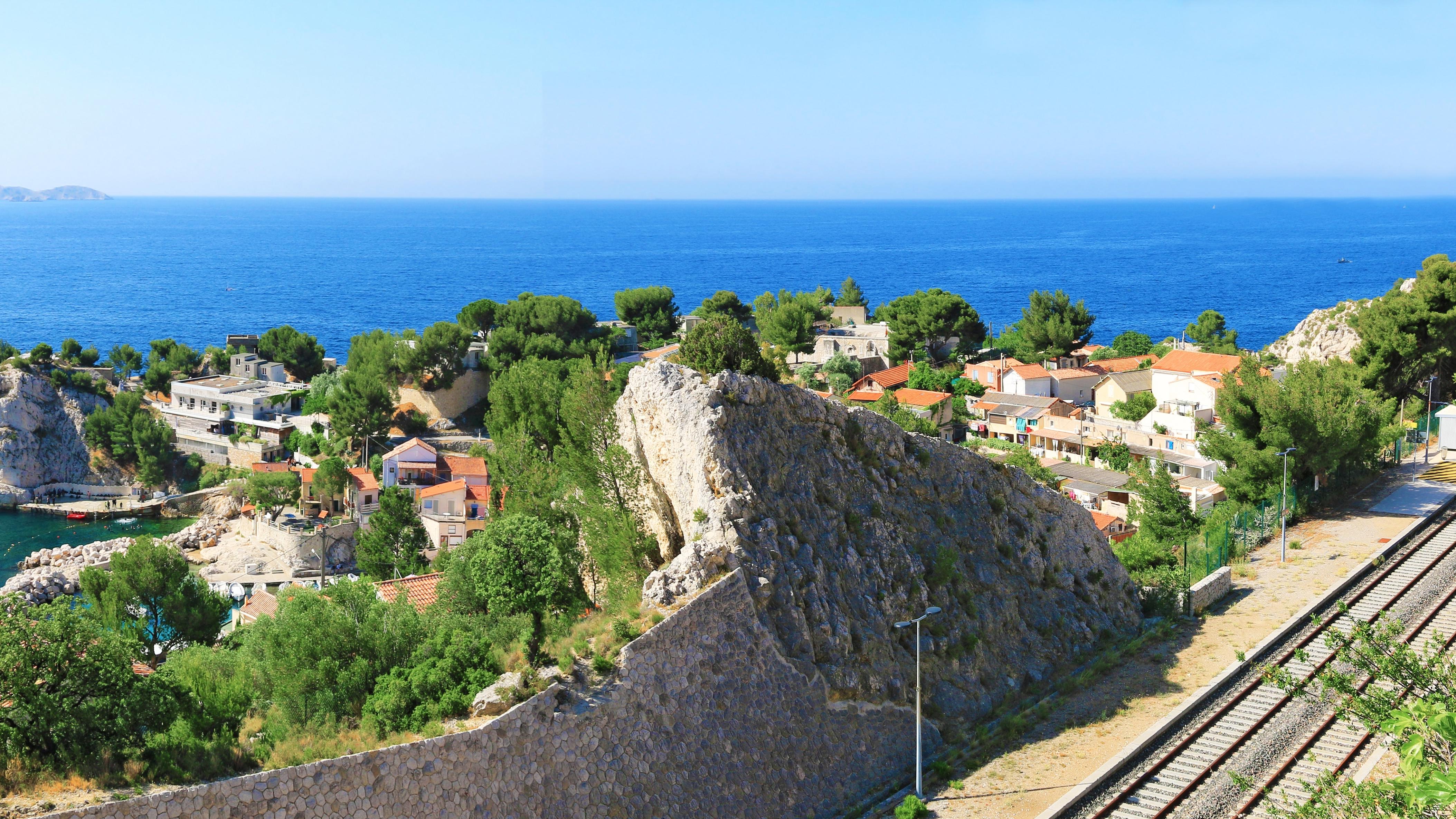
If you’re looking for a short trip packed with incredible views, the Train de la Côte Bleue is hard to beat. Running along the cliffside between Marseille and Miramas, this little railway offers sweeping panoramas over the Bay of Marseille and the limestone Calanques plunging into the Mediterranean.
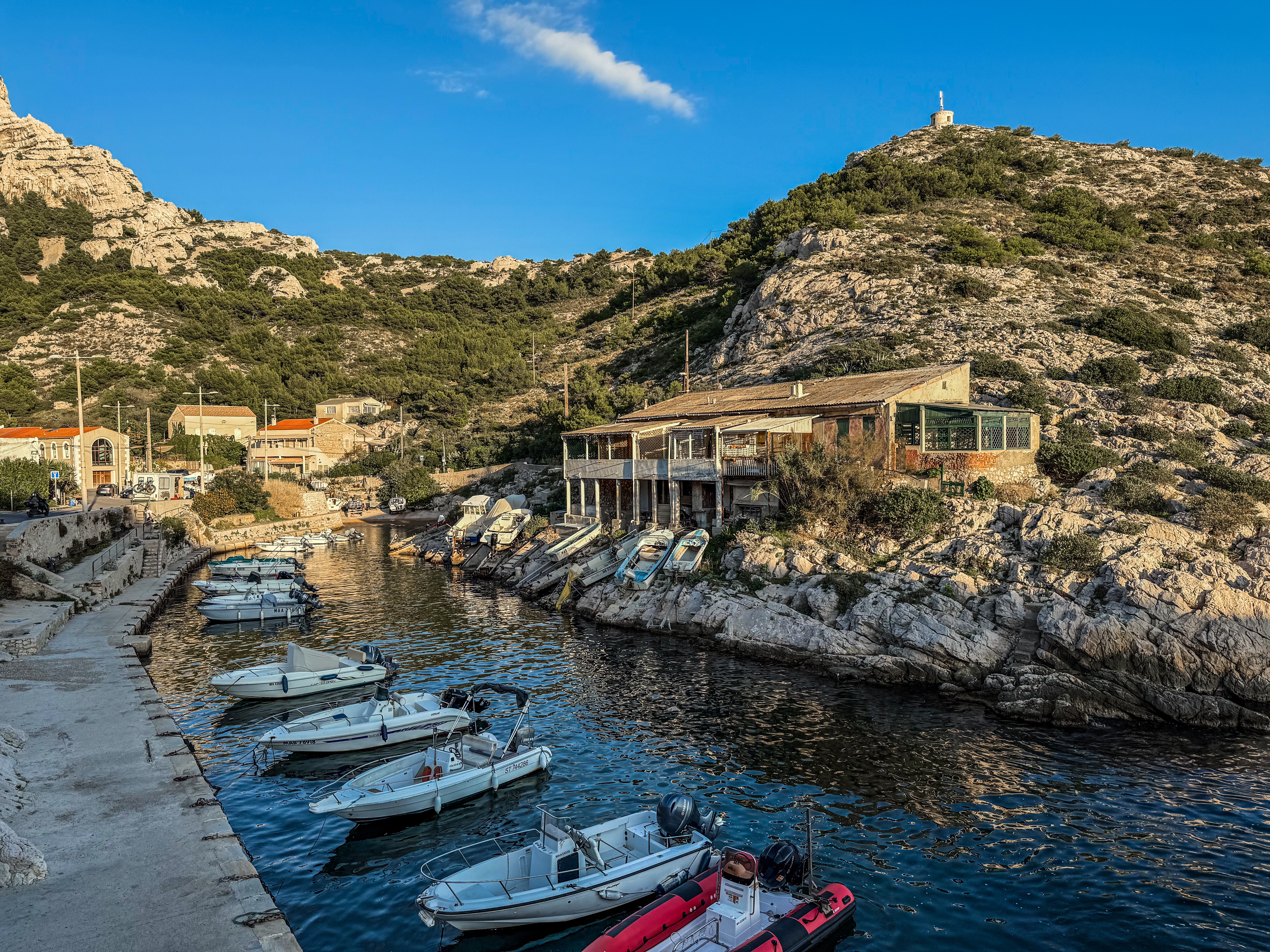 Marseiile. Photo: Eric Isselee / Shutterstock
Step 1: Niolon
The first stop, Niolon, comes just minutes after leaving Marseille. From the train, you’ll catch a glimpse of the small port of l’Estaque, a former fishing harbor, before the coastline opens up to reveal the Bay of Marseille and the first calanques of the national park. Nestled at the bottom of a calanque, Niolon is charming and unpretentious. Out of season, it’s perfect for a quiet swim or a hike along the Sentier des Douaniers (GR51 – Customs Trail) toward Calanque de Méjean. Divers also know it well; Niolon hosts France’s largest diving training center. For a bite or a stay, L’Escale and Auberge du Mérou offer classic local charm, while UCPA Niolon provides more active accommodation options.
Step 2: Carry-le-Rouet
Next, the train reaches Carry-le-Rouet, the largest seaside resort on the Côte Bleue. A stroll along the harbor reveals cafés, restaurants, and sunlit beaches.
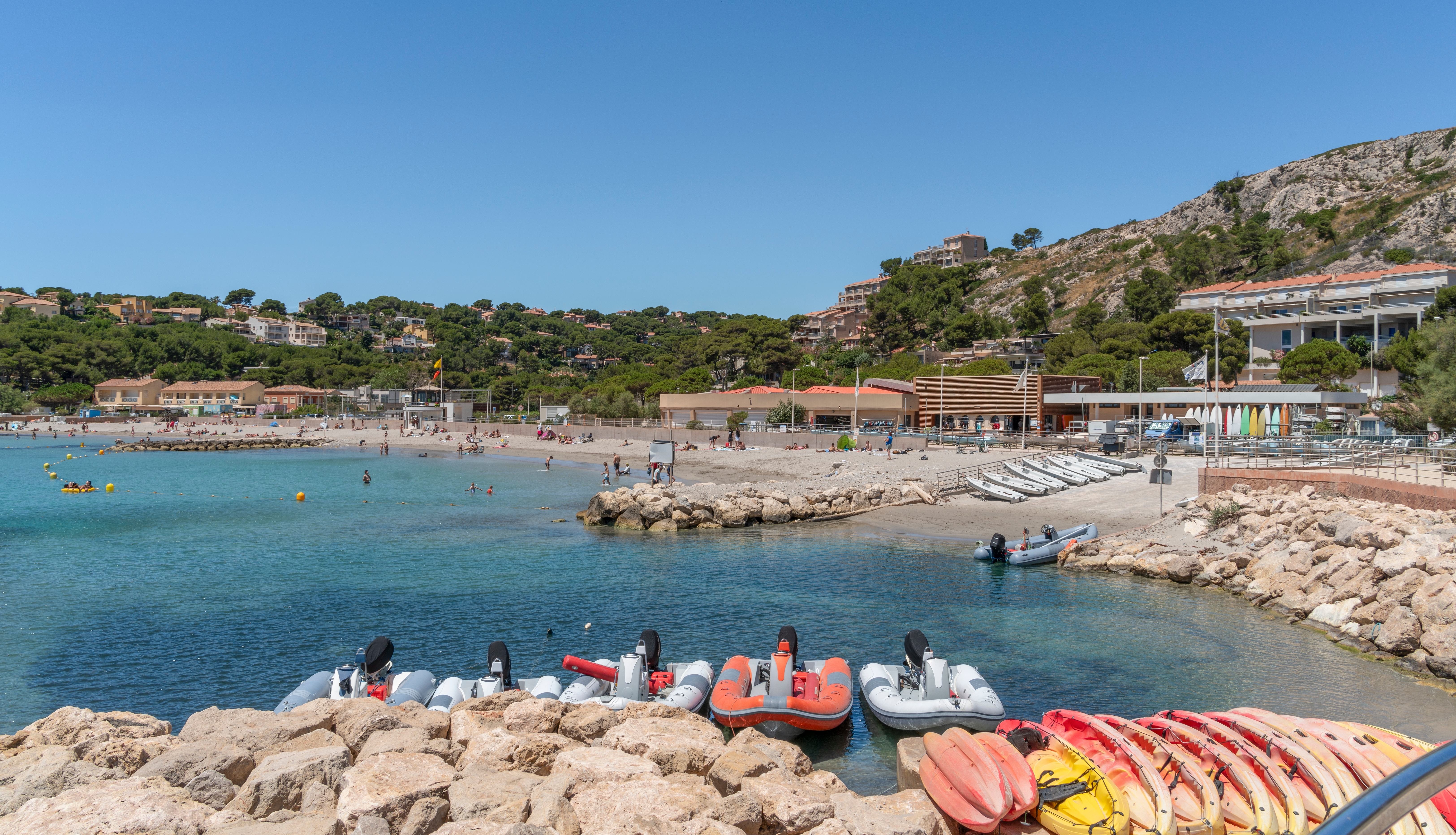 Carry-le-Rouet. Photo: PRILL / Shutterstock
Plage du Cap Rousset offers a unique underwater trail for divers, while Plage Fernandel honors the famous actor born nearby. February brings festive oursinades, or sea-urchin festivals, where local fishermen sell fresh urchins to enjoy with a glass of white wine in the winter sunshine. Holiday villages like Village Club Miléade and campsites such as Camping Homair – Lou Soulei make staying overnight easy.
Step 3: Sausset-les-Pins
Sausset-les-Pins is smaller but equally welcoming. Once a tuna-fishing town, it currently attracts visitors with its family-friendly atmosphere, sandy beaches, and little coves along the corniche.
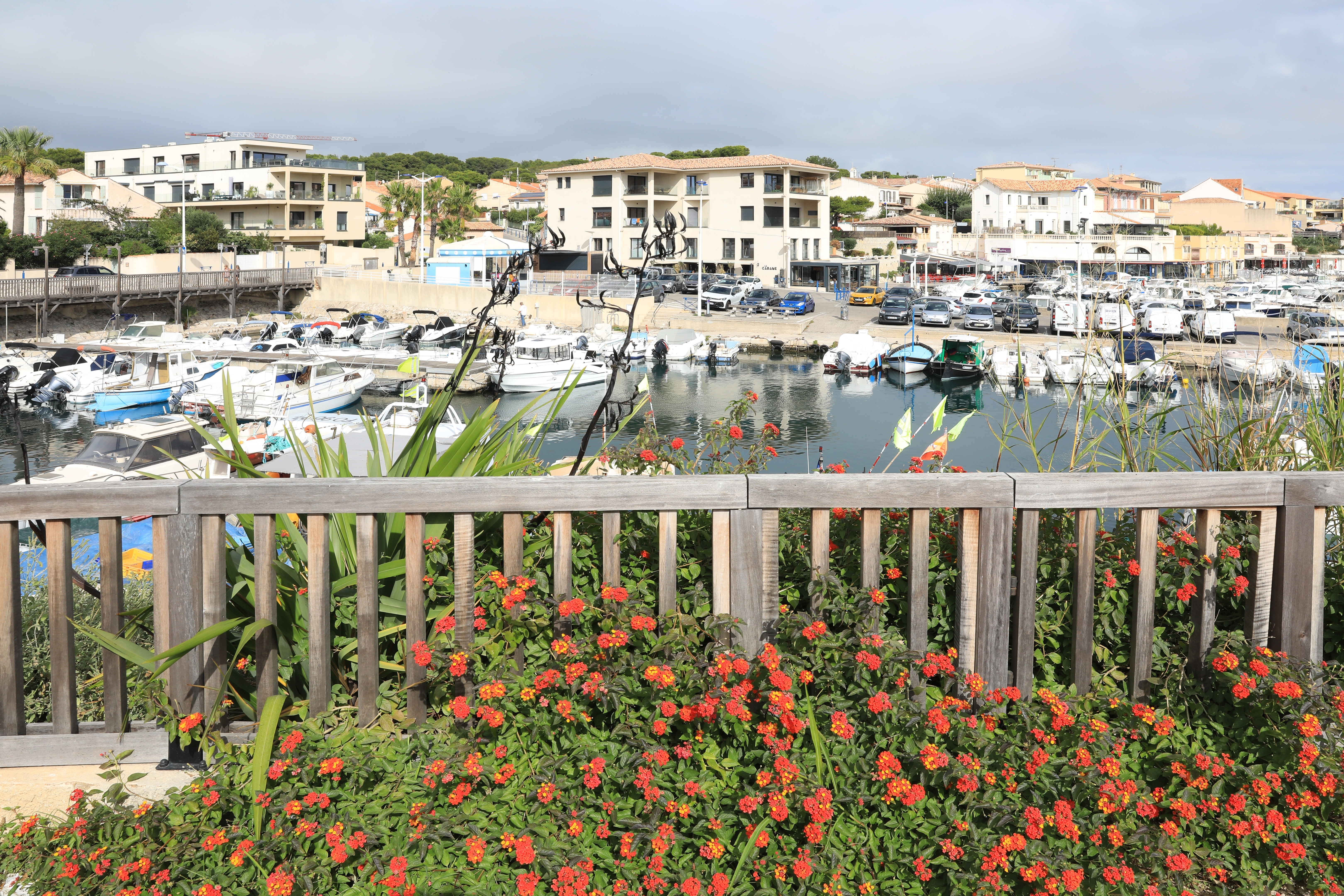 Sausset-les-Pins.Photo: Traveller70 / Shutterstock
Be sure not to skip the local oursinades in late January. Dining options like Le Lagon or L’Emporté Gourmand add local flavor, and holiday centers like Centre Ufoval la Côte Bleue make it convenient for a longer stay.
Step 4: Istres
The train continues past Martigues and Fos-sur-Mer to Istres, where the railway skirts pink salt ponds at Lavalduc and Engrenier.
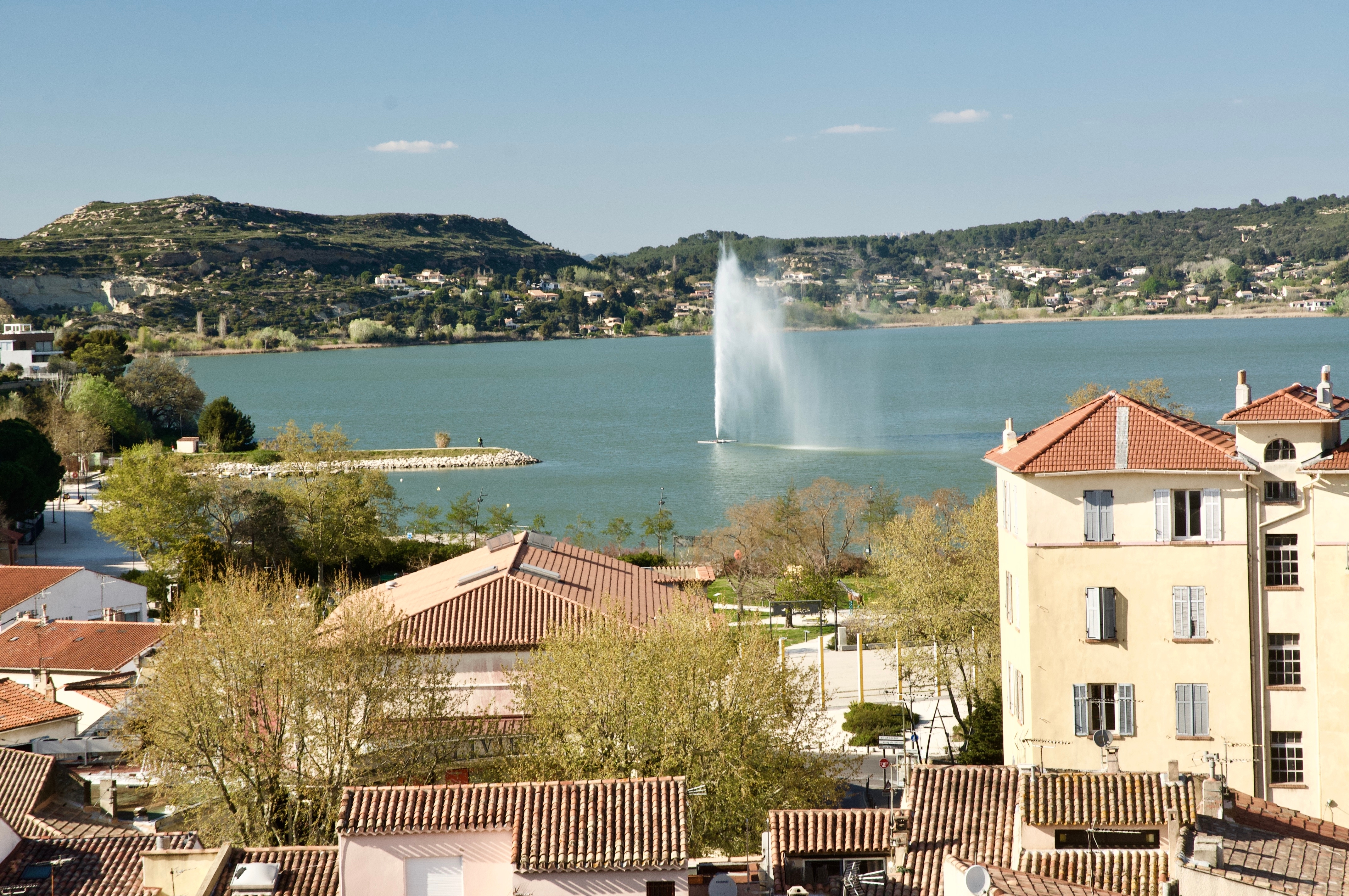 Istres. Photo: John Gillett / Shutterstock
The town’s old streets retain their Provencal character, and families can enjoy the Dinosaur’Istres trail with life-sized replicas. Hotels, cultural sites, and museums like Art Zoo Istres and Suite 55 Contemporary offer plenty to see and do before returning to the train for the journey back.
Traveling the Train de la Côte Bleue is a short but unforgettable ride. Whether you’re hiking, swimming, diving, or simply soaking up the scenery, every stop along the route offers its own slice of Mediterranean charm.