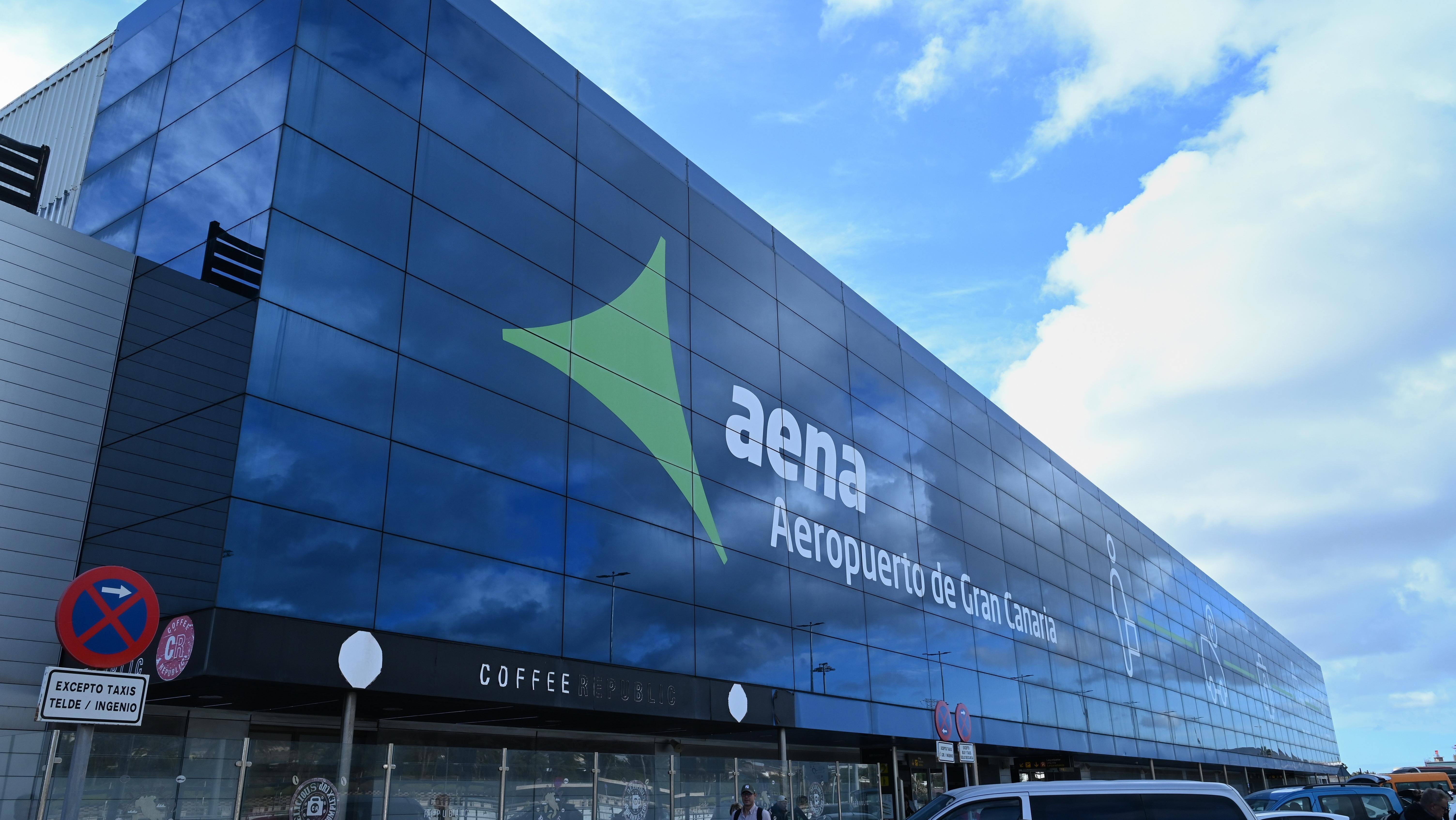
A growing dispute is taking shape over how much airlines should pay to use Spain’s airports, with carriers and industry groups arguing that fees should go down, not up.
The debate centers on the next regulatory period, which runs from 2027 to 2031. During those five years, AENA, the company that operates most of Spain’s airports, plans to increase charges by 3.8% per year, excluding inflation. Airlines strongly disagree, arguing fees should instead fall by 4.9% annually, a level they say would still allow AENA to invest nearly €10 billion in airport improvements.
The pushback is being led by the International Air Transport Association (IATA) and the Spanish Airline Association. Their argument is simple. They say AENA has already exceeded earning expectations in recent years, largely because passenger traffic was much higher than forecast.
Between 2017 and 2025, outside of the pandemic period, passenger numbers were on average 15.3% higher than predicted. That difference translated into about €1.3 billion in additional regulated returns for AENA. In 2024 alone, returns reached 10.2%, well above expectations, resulting in nearly €400 million in extra costs that airlines say were passed on to travelers.
Rafael Schvartzman, IATA’s Regional Vice President for Europe: “AENA has gamed the regulatory system for years, earning millions of euros more than it should have, at the expense of passengers, airlines, and the Spanish economy. This must stop. This is unsustainable and unrealistic, we need to see a reduction in charges.”
Airlines insist that lowering fees would not derail AENA’s investment plans. Studies by Steer and CEPA suggest passenger traffic will grow by about 3.6% per year, much faster than AENA’s own forecast of 1.3%. With that growth, AENA could still fund its projects and earn a healthy return.
Schvartzman believes the outcome could benefit everyone involved. “Our proposal for a 4.9% cut in charges will improve Spain’s competitiveness as an international destination, stimulating investment and job creation across the wider economy. At the same time, AENA can still afford its €10 billion investment plan and deliver reasonable returns to its shareholders. This is a win-win for passengers, Spain, and the aviation industry. We look forward to regulators reviewing the evidence and reaching the right conclusions,” he added.
Spain’s regulator will now have to decide which side makes the stronger case.