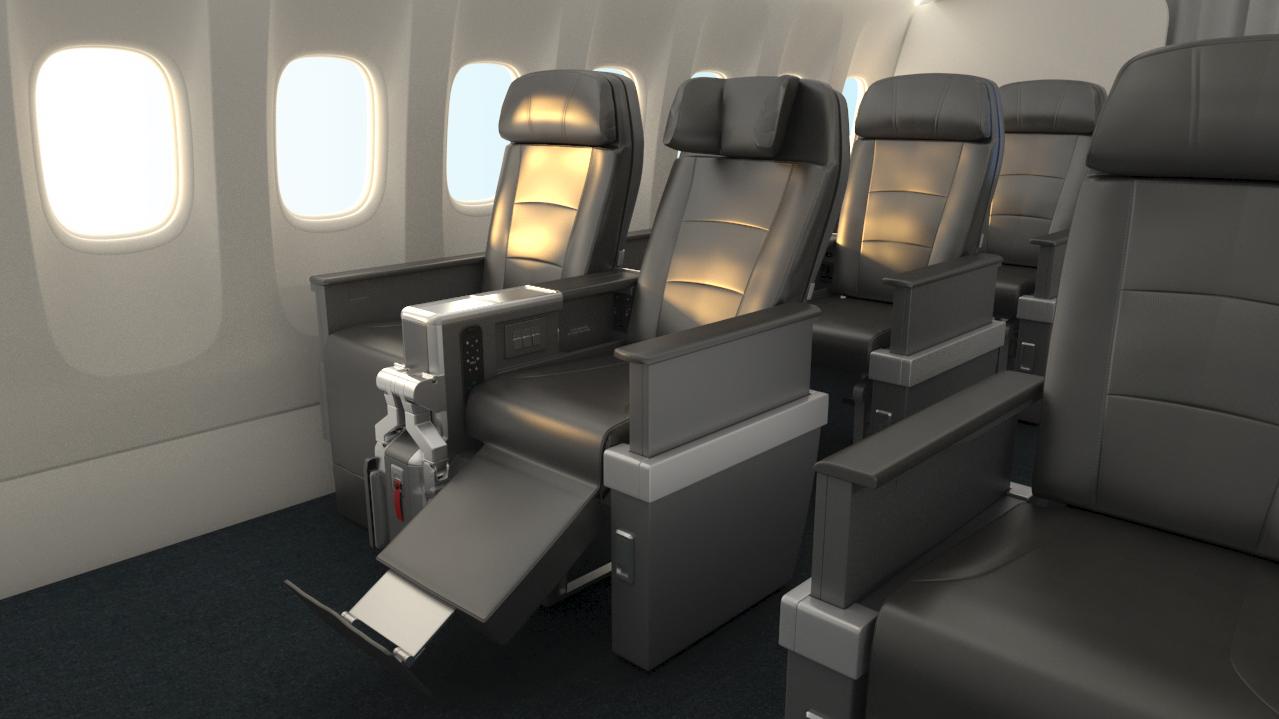
Comedian Jim Breuer has criticized American Airlines after he says he was removed from his paid first-class seat to make room for a commuting pilot. The incident reportedly took place on a flight from Honolulu to Phoenix, and Breuer shared his account on social media. According to him, he had purchased tickets for himself and his family, but was reassigned to an economy seat just before the plane departed. Breuer called the experience unfair and went so far as to describe it as “theft.”
The story quickly gained attention after Breuer posted a video on Facebook, where he recounted the incident. Thousands of viewers reacted to his video, sparking heated conversations regarding airline policies and passenger rights.
Breuer explained that he had purchased the tickets expecting the comfort and space typically offered in the premium cabin, particularly on a long flight from Hawaii. Before departure, airline staff told him that a pilot needed his seat and that he would be moved to row 18 in the main cabin. He said he was not offered a comparable first-class seat and felt blindsided by the decision.
Airline operations often require pilots and flight attendants to be repositioned for future assignments, a process called “deadheading.” Labor agreements usually allow crew members to travel in premium cabins when available, meaning passengers may sometimes be moved to accommodate them. While this is a standard practice in the airline industry, it can frustrate passengers, especially those who paid extra for first class.
The stand-up comedian and actor best known for being a cast member on Saturday Night Live between 1995 and 1998 and starring in the "Half Baked" movie in 1998, expressed his disappointment bluntly:
“This is foul because the way I see it, you (American Airlines) stole from me. You stole my ticket. You stole my money.”
The incident has reignited discussion about how airlines handle premium passengers versus operational necessities. While deadheading is a routine part of airline logistics, Breuer’s experience shows how these decisions can create negative experiences for travelers who expect the service they paid for.