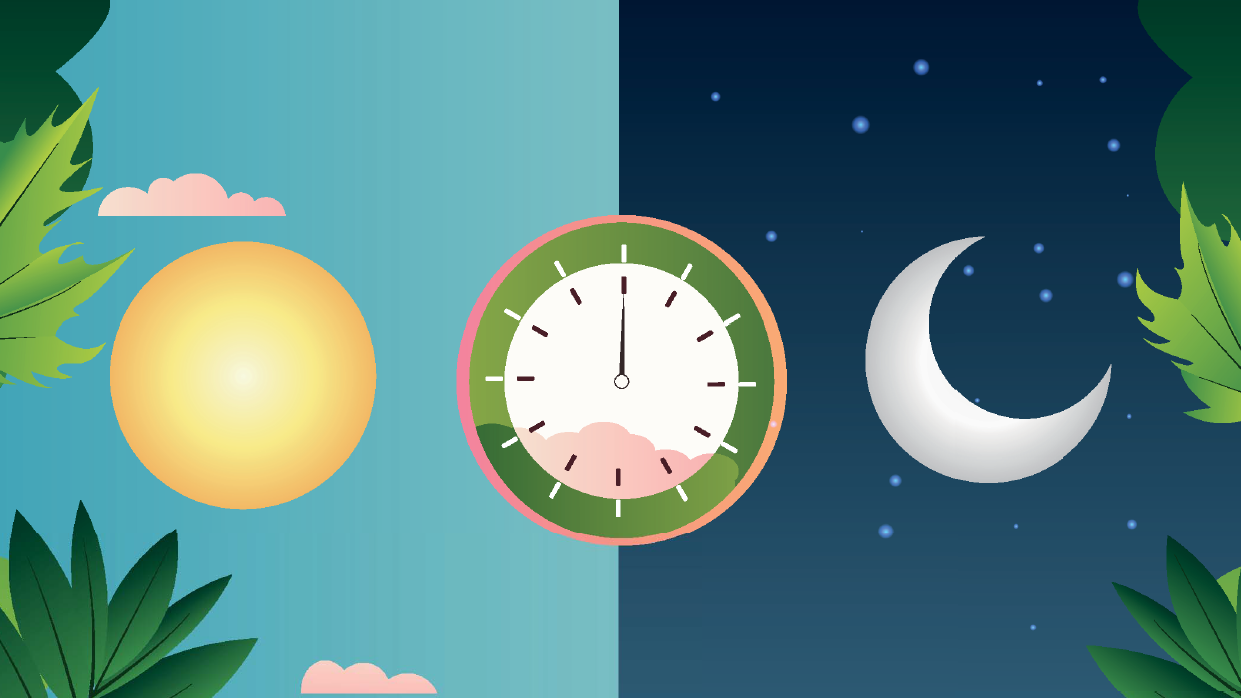
The phenomenon known as "March Equinox" or "Spring Equinox" marks the moment when the sun is exactly above the equator, so that the length of the day is divided almost equally between day and night all over the world.
This astronomical event occurs every year around March 20 or 21 and marks the official beginning of spring in the Northern Hemisphere.
During the vernal equinox, the sun's rays strike the Earth at an angle that results in a nearly equal distribution of hours of light and darkness. From then on, the days gradually get longer, culminating in the longest day of the year in June.
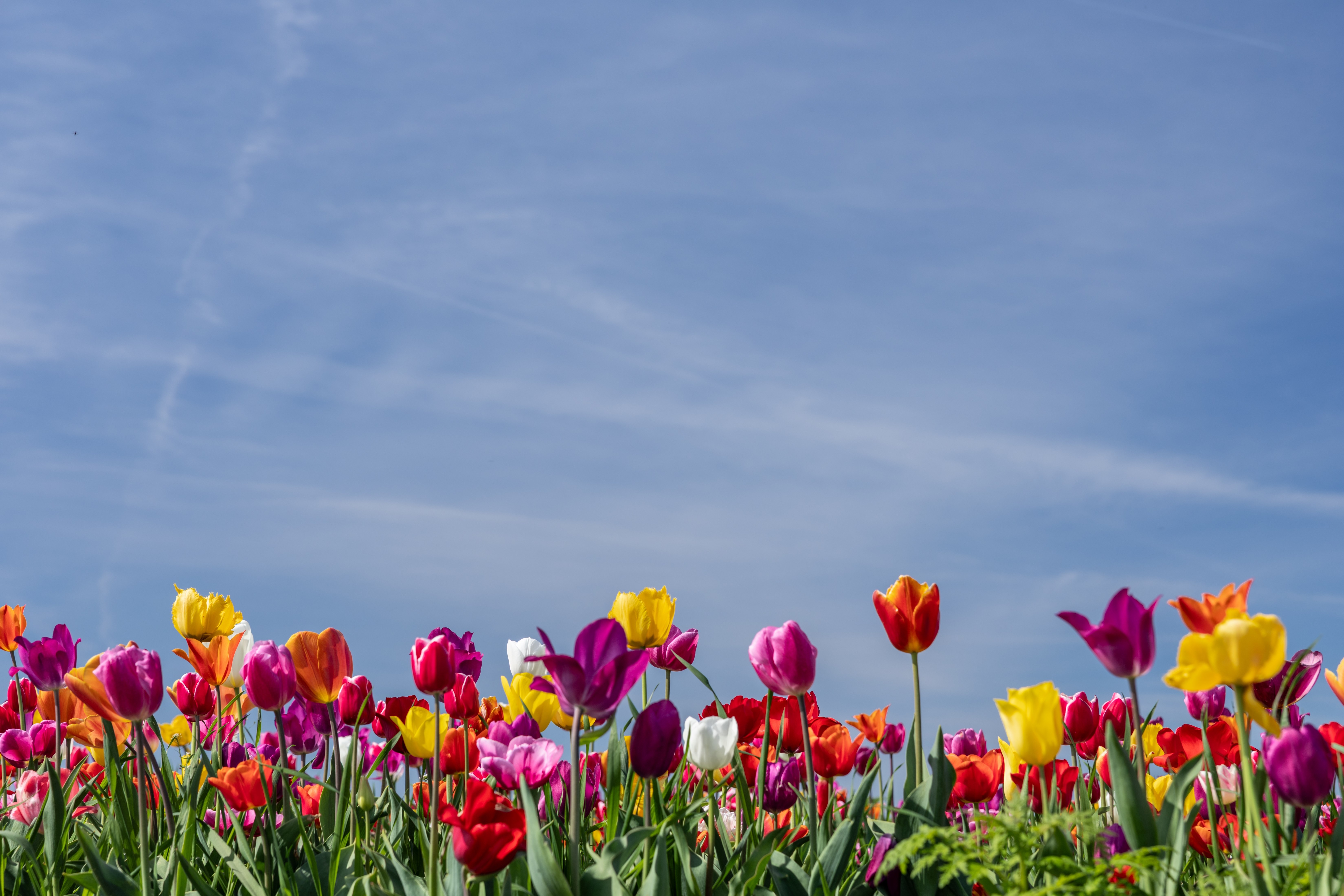 Spring flowers. Photo: Shutterstock
In addition to its scientific significance, the vernal equinox also has cultural and historical meanings. Over the years, various cultures have celebrated the event as a renewal, a balance, and the beginning of a new life cycle. Traditional festivals and ceremonies are held around this date in many countries worldwide.
The transition to spring is also felt in daily routines: longer daylight hours allow for more outdoor activity, and warmer weather leads to changes in clothing and leisure habits.
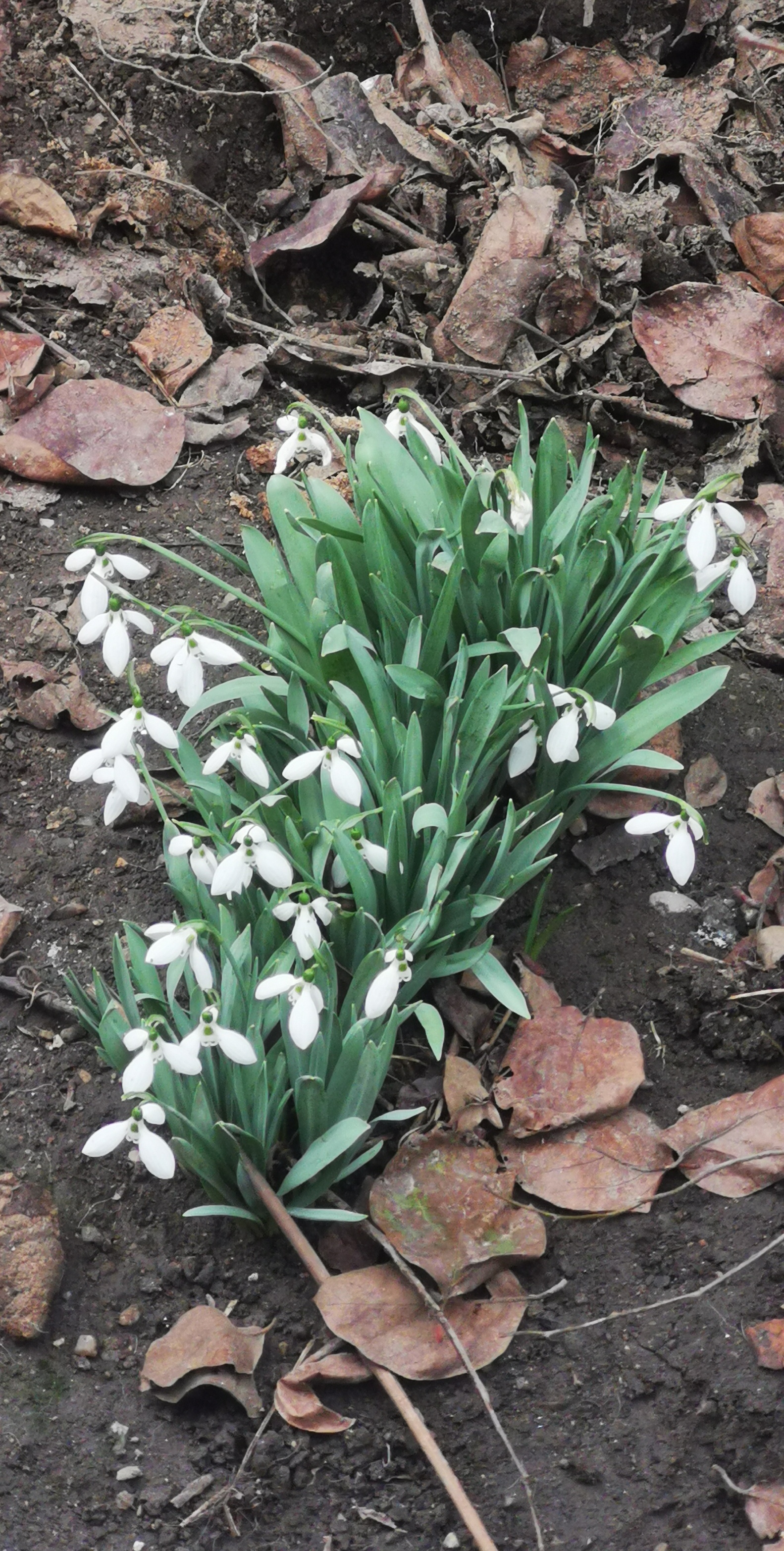 Spring flowers. Photo: Alex Igna