IATA data for February 2026 show a 6.1% increase in global flight demand, measured in passenger kilometers (RPK), compared with February last year. At the same time, available seat kilometers (ASK) increased by 5.6%, and the load factor reached 81.4%, a record figure for February.
International demand increased by 5.9%, while domestic demand increased by 6.3%. Load factors remained high in both segments, at 80.5% for international flights and 82.8% for domestic flights.
At a regional level, Latin America led the growth with a 13.5% jump in international demand, while the Asia-Pacific region enjoyed an 8.6% increase, partly thanks to passenger traffic around the New Year celebrations in the East. Routes between Europe and Asia also stood out with a 14% increase in traffic, especially to destinations such as Spain and Italy.
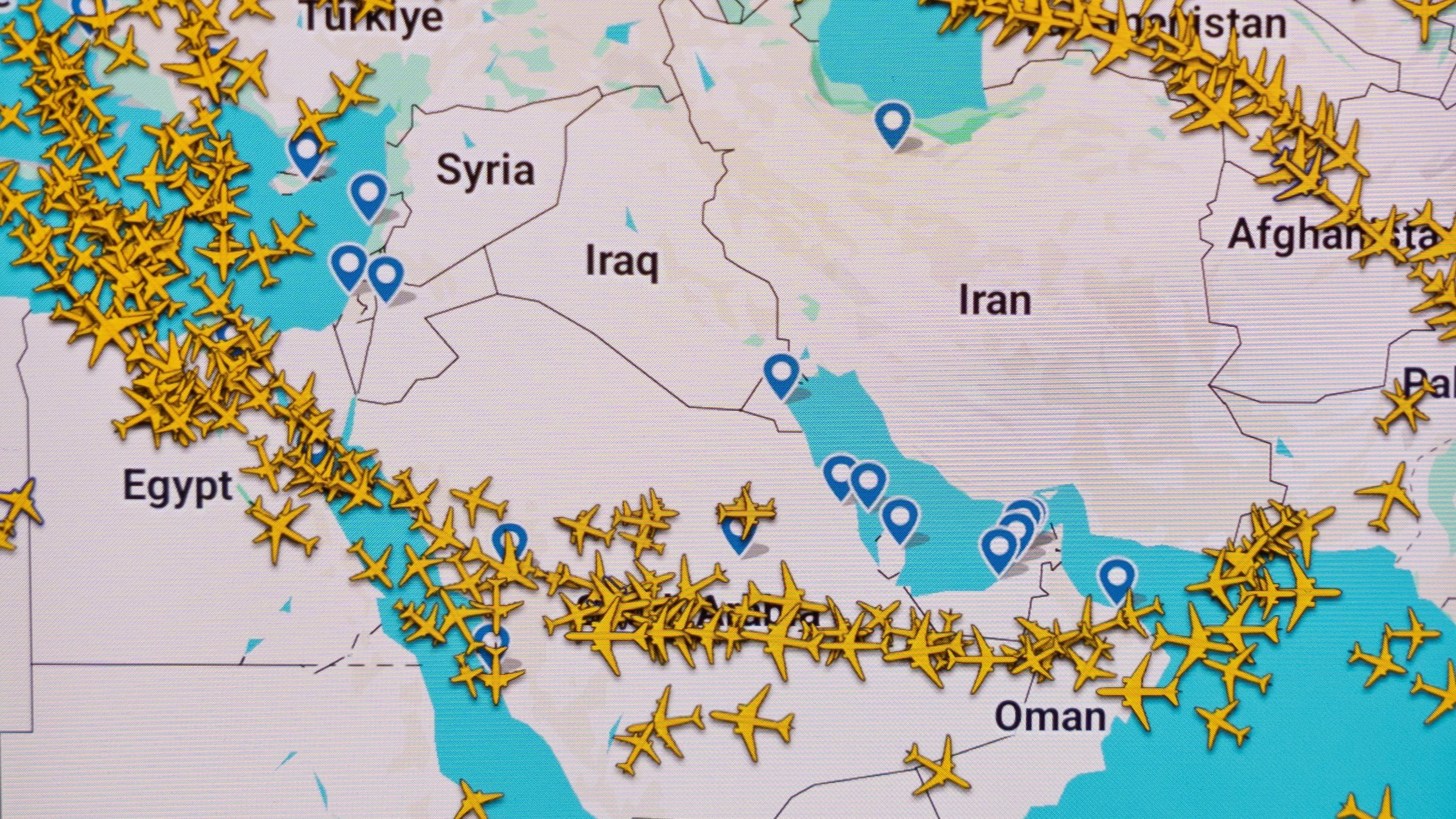
Europe and North America showed more moderate growth, with an increase in demand of about 5%. On the other hand, the Middle East recorded only a marginal increase of about 0.9% in demand, alongside a decrease in occupancy rates in the month before the outbreak of the war.
The Challenges of War and the Dire Outlook
The industry notes that alongside the positive trend, there are significant challenges at the moment. Fuel costs have soared recently, and airlines are operating in an environment with limited capacity and low profit margins.
The significant changes in capacity are recorded mainly on lines in the Middle East or those that pass through the region.
IATA Director General Willie Walsh commented on the report and said: "Without knowing the length and intensity of the war in the Middle East, it is impossible to quantify the full impact that it will have on airline prospects. But some things are already clear. Fuel costs have risen sharply. With tight capacity and thin margins, air fares are already rising. Capacity deployment is also adjusting, particularly for traffic to, from, or through the Middle East, or in areas where fuel supply is an issue. Capacity growth scheduled for March, for example, has eased to 3.3% from earlier predictions of more than 5%."
 CEO
CEO