High-speed rail has turned into one of the most convenient ways of moving around Europe, especially on busy routes where airports are crowded and short flights take longer than expected once you include security and transfers. In 2026, several lines stand out not just for their speed, but for how easy they are to use for regular travelers. Here is a quick rundown:
Paris to Lyon
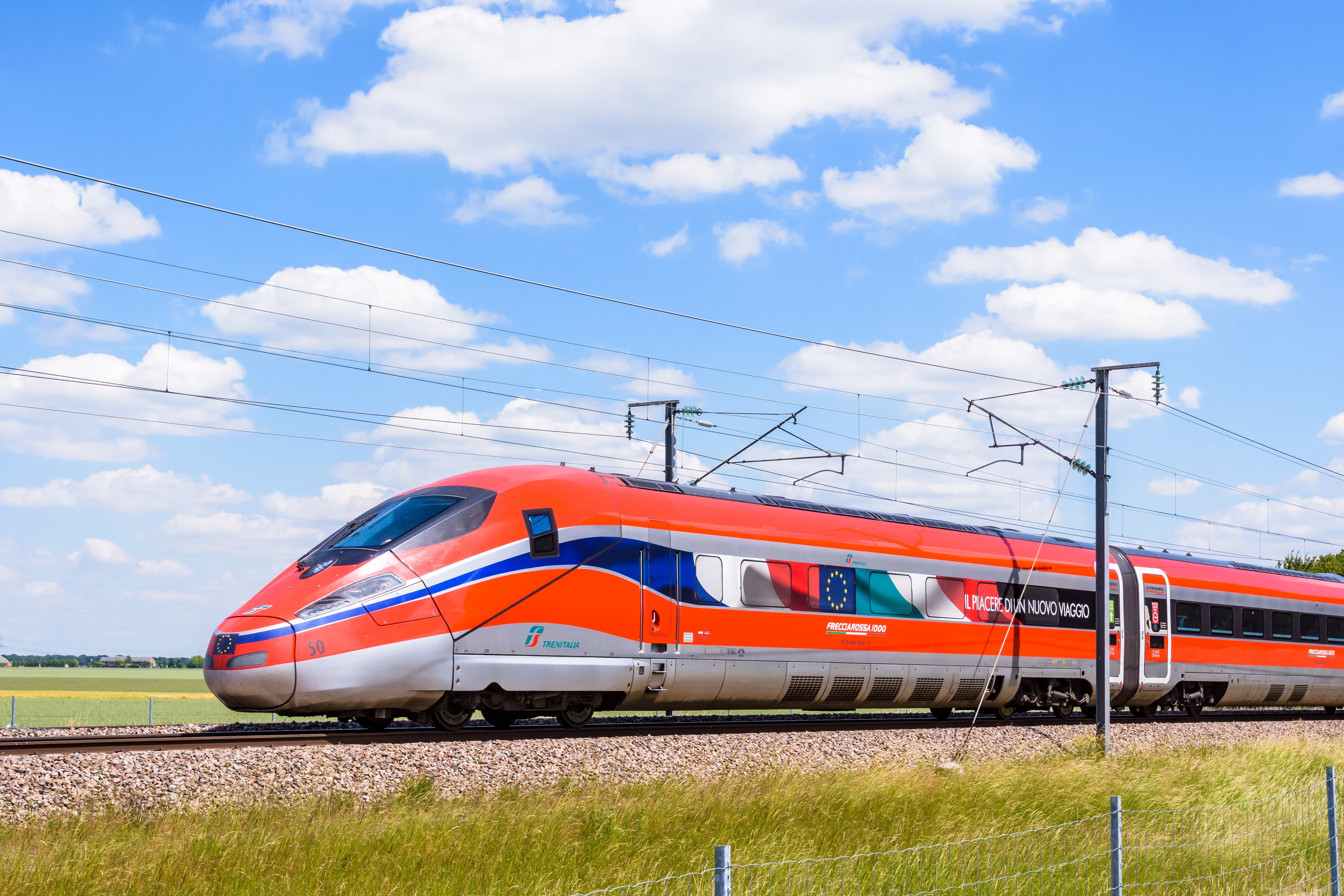 A Frecciarossa (ETR 1000) high speed train from italian rail company Trenitalia is driving from Lyon to Paris. Photo: olrat / Shutterstock
One of the most spectacular routes runs between Paris and Lyon via France’s national rail system. The line reaches speeds of up to 320 km/h. The journey takes around two hours, making it a common alternative to flying. Trains are frequent, and stations are located in city centers, which takes away the considerable waiting time usually associated with airports.
Madrid to Barcelona
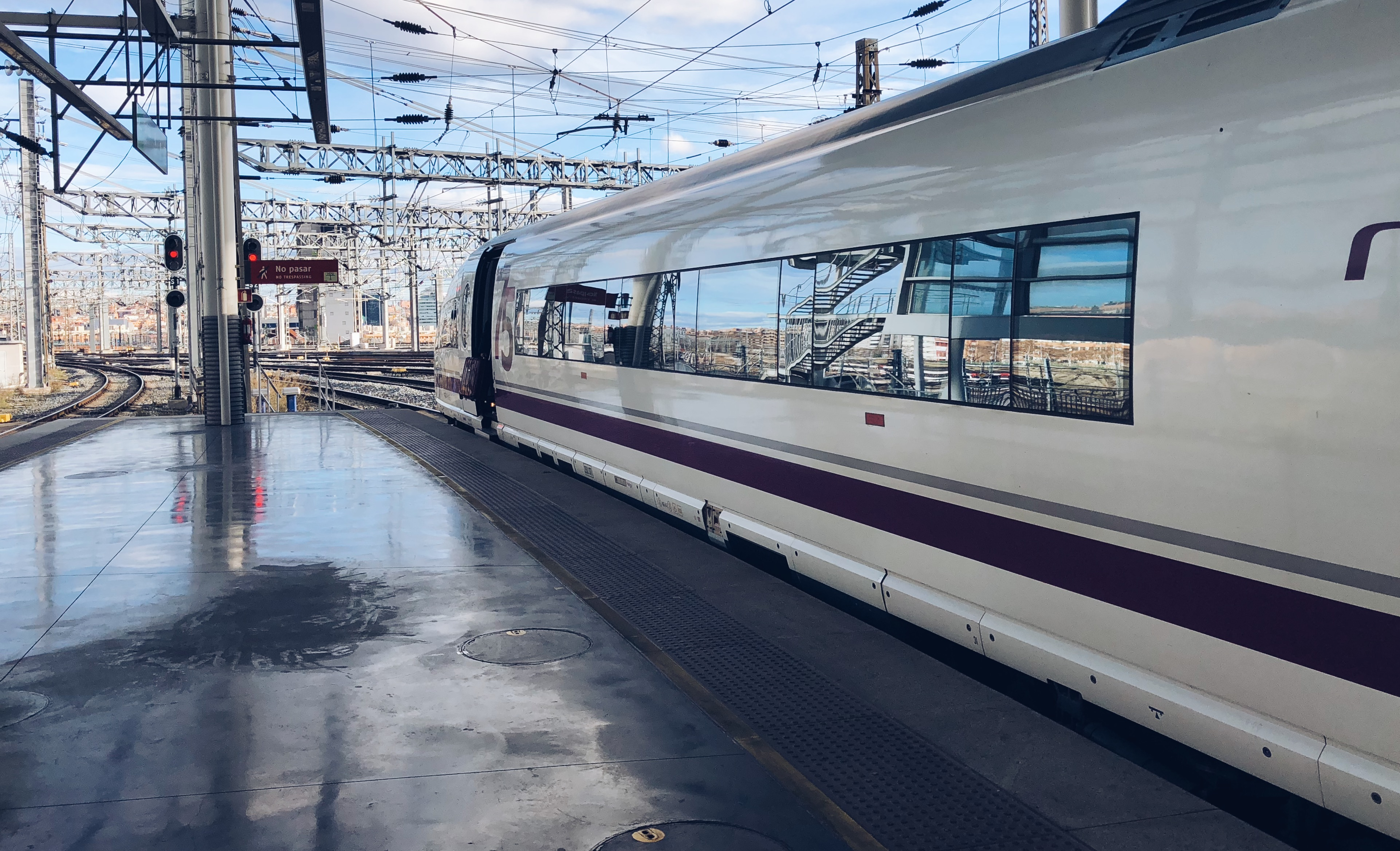 Photo: Shutterstock
Another key connection is between Madrid and Barcelona. Spain’s high-speed AVE service connects the two cities in about 2.5 hours. The route has changed travel habits in the country, replacing many domestic flights. Passengers often choose it for its reliability and simple boarding process.
Milan to Rome
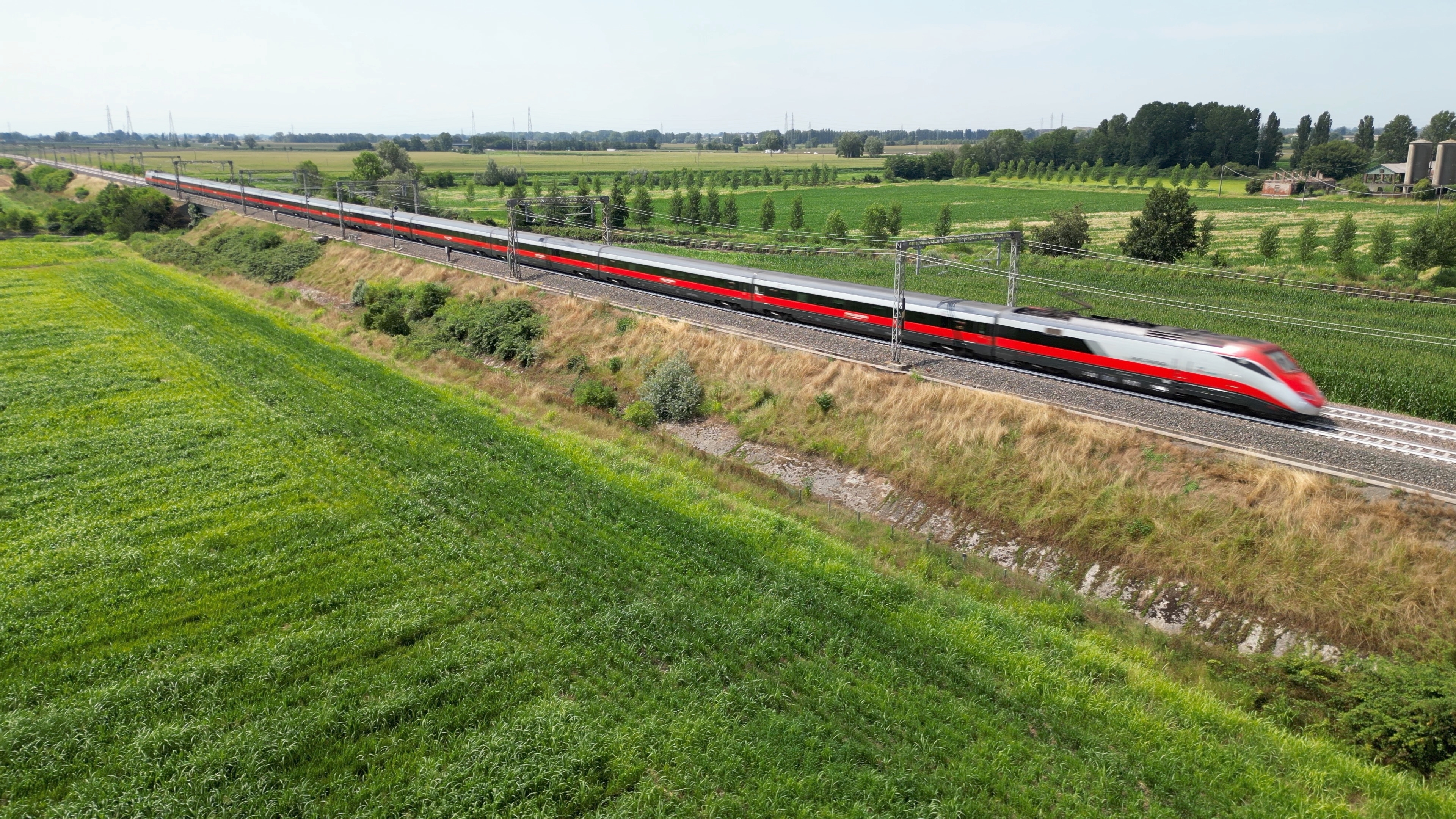 Photo: Shutterstock
In Italy, the line between Milan and Rome is one of the busiest in Europe. High-speed services can complete the trip in just over three hours. It is used heavily by both business and leisure travelers, and offers multiple departures throughout the day.
Berlin to Frankfurt
Germany also continues to expand its network. Routes such as Berlin to Frankfurt show how the country is balancing speed with coverage, linking financial centers and major cities through its ICE trains.
What makes this route stand out is not just its speed, but also the added convenience and comfort, courtesy of the spacious seats, power outlets, and the overall ability to move around during the journey.
In general, food and drink options vary by country, but most major routes offer at least basic onboard service.