Spending your weekend in Europe at the moment is about more than figuring the most affordable flights and hotels and making a clear itinerary you will actually enjoy following. You also need to know if the city or cities you plan on exploring have introduced or raised tourism taxes, as your usual city break could get particularly pricier. The fees vary widely from place to place and can change the budget for even a quick city break. Let's take a quick look at some of the highlights:
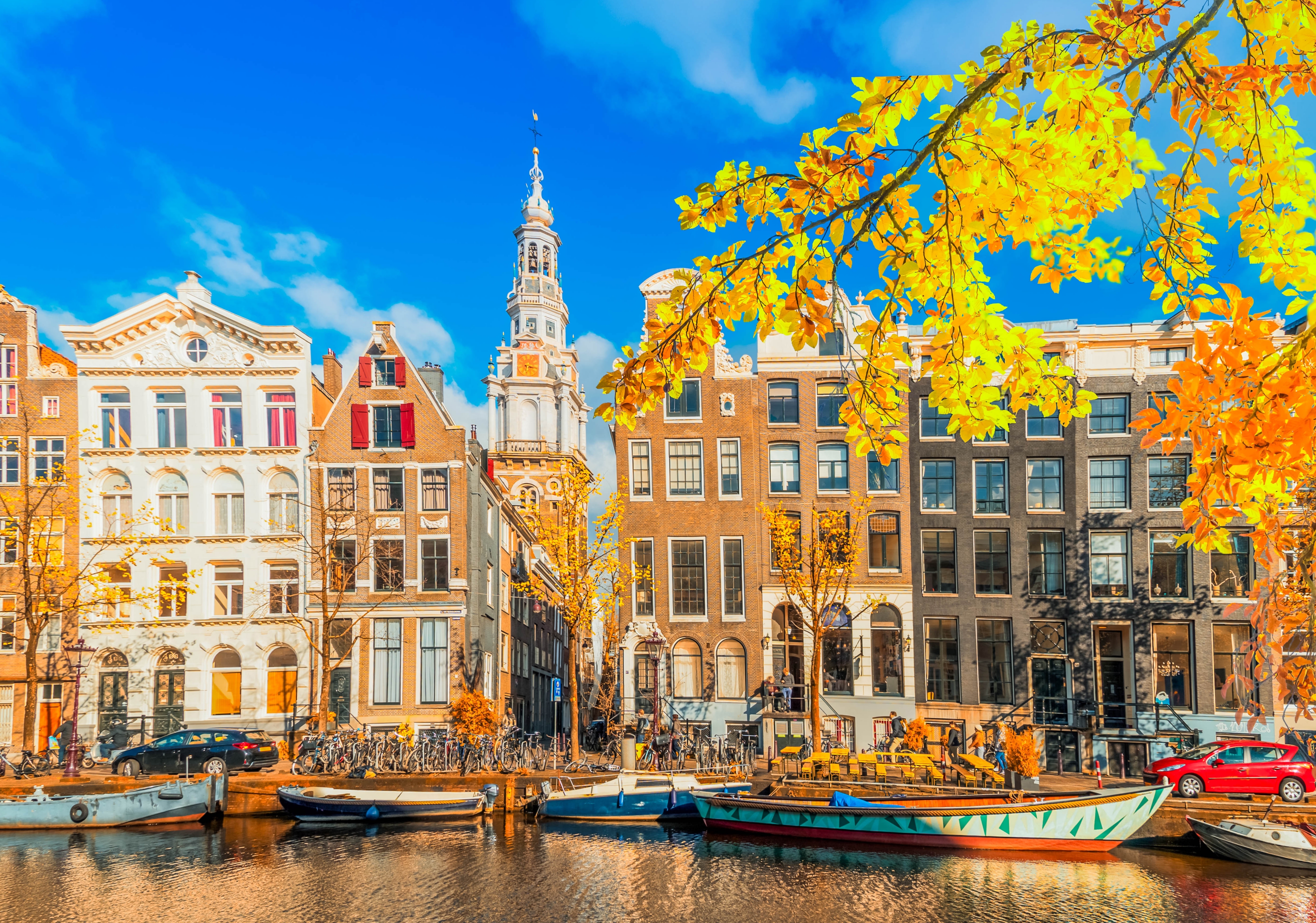 Amsterdam. Photo: Shutterstock
In Amsterdam, visitors can expect to pay the highest tourist tax in Europe at 12.5% of the overnight price on top of their hotel bill. For day visitors arriving by cruise ship there is a €15 day tourist tax per passenger, aligned with the amount charged by some high-end stay hotels in Barcelona. The popular city has also raised its tourist tax significantly as of April 2026, and visitors can expect to pull out as much as €15 per person per night, depending on the chosen accommodation.
These fees may seem modest on their own, but they stack up quickly on a weekend trip. A couple staying two nights in Barcelona could see €30 or more added just in tourist taxes.
 Paris. Photo: Shutterstock
Paris, the city of light, has also updated its rates for 2026. The tax depends on the type of accommodation you choose. For example, a night in a five-star hotel can cost around €11.70 extra per adult, while a three-star stay adds about €5.53 per night. The highest tier, a “palace” category, can add up to €15.93 per person per night after all regional levies. In other words, a family in a mid-range hotel might add €10-€20 per night on top of their room rate.
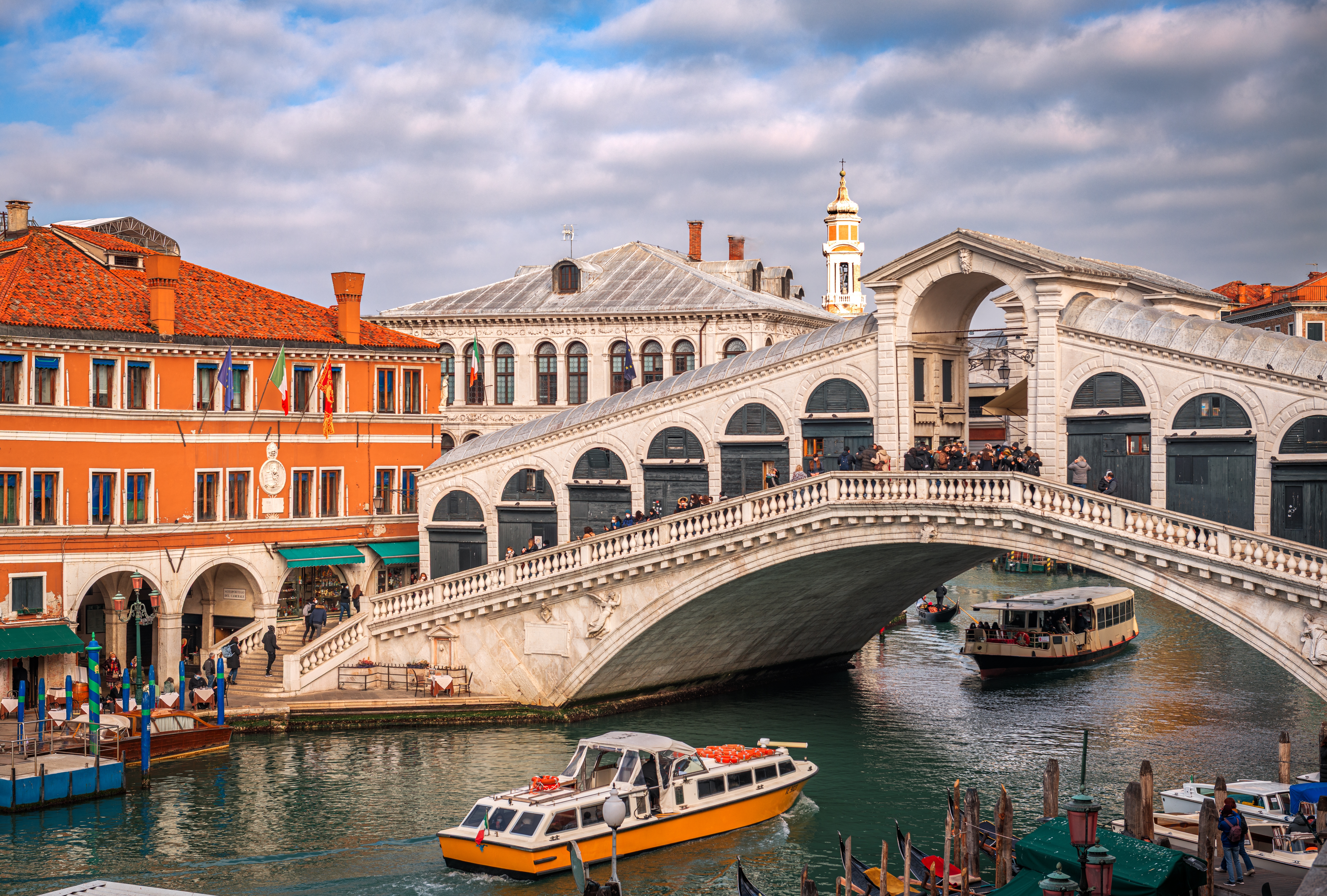 Venice. Photo: Shutterstock
In Venice, the approach is different. The city has brought back a day-tripper access fee on selected peak dates. Non-overnight visitors entering the historic center between morning and afternoon may pay around €5 per person on busy days. Overnight guests who already pay the local accommodation tax are usually exempt from this fee.
 Bucharest. Photo: Shutterstock
Bucharest also charges a €2 flat tax per night, but officials want to exchange it with a tiered model based on the type and nature of the selected accommodation.
In Rome, starting February 2, 2026, visiting the famous Trevi Fountain will cost you an extra €2 charged by the city in the form of an entrance fee. Plus, city visitors will also need to pay a "contributo di soggiorno" applied to non-residents staying in paid accommodation. The tax varies from €3 to €10 per person per night.
Edinburgh has also introduced a 5% levy on overnight stays starting July 2026. Similarly, Berlin is now charging roughly 7.5% of the price of the room.
 Lisbon. Photo: Shutterstock
Lisbon also charges a €4 fee per night per guests over 13 years owho choose to stay at hotels and other types of paid accommodations.
Bear in mind that the tourist tax usually applies for a defined number of nights, per person, often with a maximum number of nights up to 10 nights in Rome or 7 nights in Lisbon. Who is exempt? Usually, children under 13, as well as city residents, guests accompanying patients for medical treatment, and people with disabilities.
City officials argue that these taxes are great for funding local services, preserving historic areas, and managing the growing issue of overtourism. However, travelers budgeting for a European city break must now plan ahead to avoid surprises when the bill arrives at checkout.