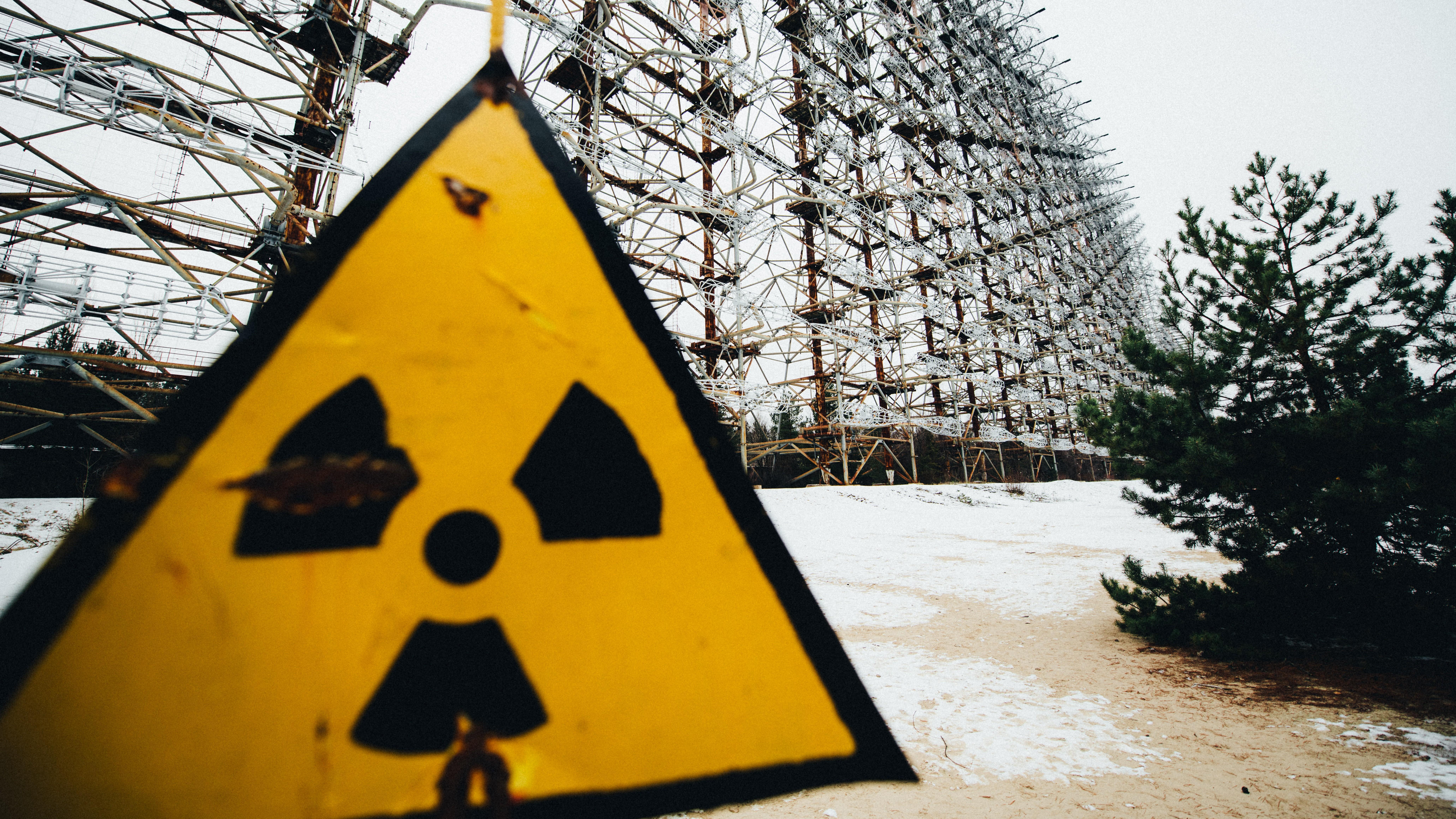
In the night of April 25-26, 1986, the Chernobyl nuclear power plant in Ukraine became the scene of the worst nuclear disaster in human history. During what was described as a routine safety test at the reactor, a series of human and design failures led to an uncontrolled increase in the reactor's power and two massive explosions that tore apart the structure, releasing vast amounts of radioactive materials into the atmosphere.
The radiation cloud that spread following the explosion did not stop at the borders of the Soviet Union. Within days, it reached most of Europe, including the Scandinavian countries, France, and Italy, turning the disaster into an international event with historic implications.
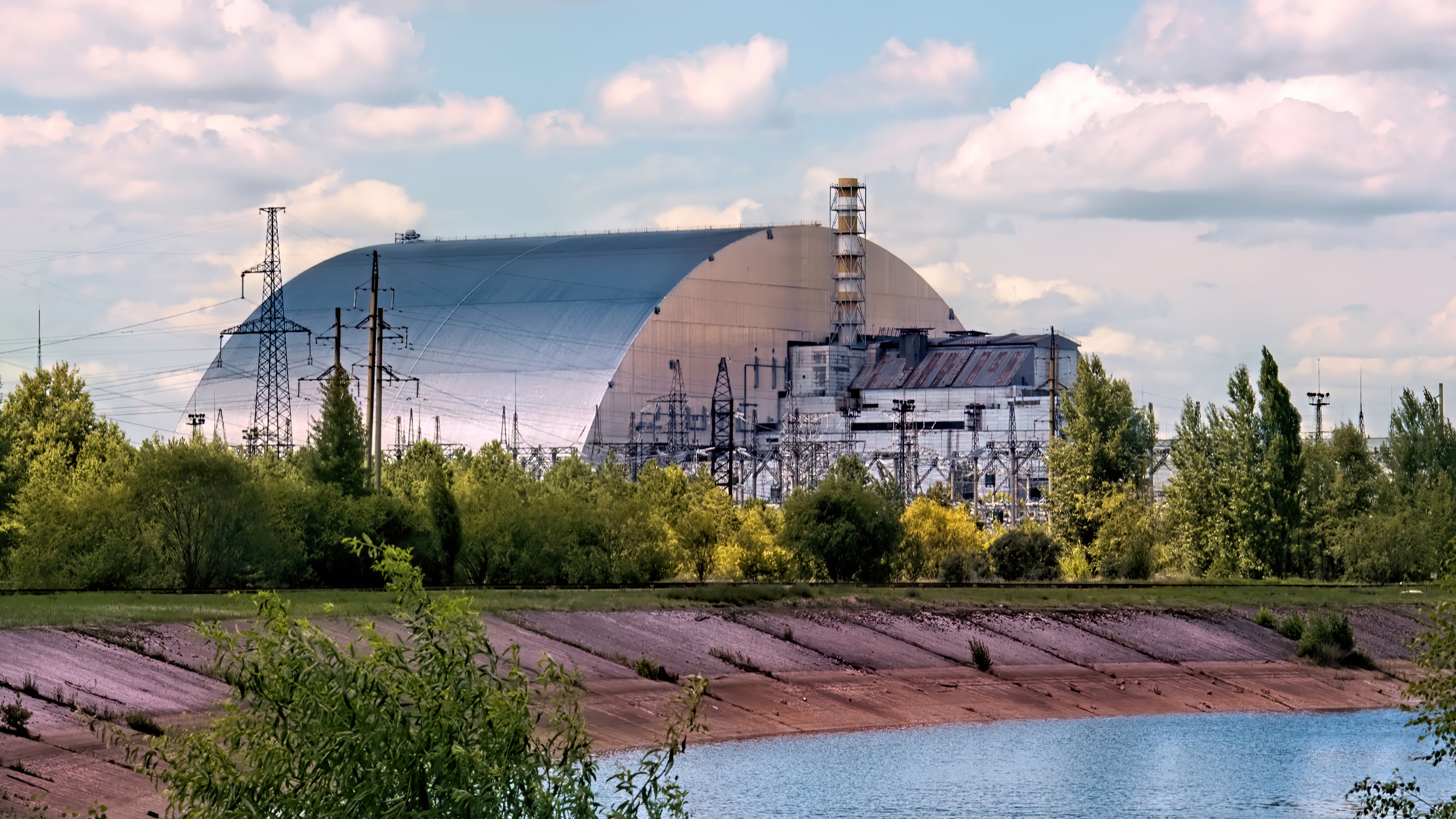 Photo: Shutterstock
According to testimonies and records that were discovered, the Soviet authorities initially tried to hide the dimensions of the disaster, but radiation measurements in other countries left no room for doubt.
The immediate consequences were fatal. Dozens of workers and firefighters died within days from radiation exposure, and hundreds of thousands were evacuated from their homes. It later became clear that the disaster led to a significant increase in morbidity, especially cancer among children, along with extensive environmental damage.
The disaster affected the entire continent and undermined confidence in nuclear energy, leading to a dramatic deterioration in safety standards worldwide. Many countries froze or canceled nuclear projects, and the European Union invested heavily in improving nuclear safety systems.
Since the disaster, the area around Chernobyl has been sealed off for tens of kilometers. The city of Pripyat has been abandoned and has become a symbol of the disaster, including the abandoned, sooty amusement park, which was completed just before the disaster and never operated. A huge enclosure was built over the reactor, designed to contain the radiation and prevent leaks.
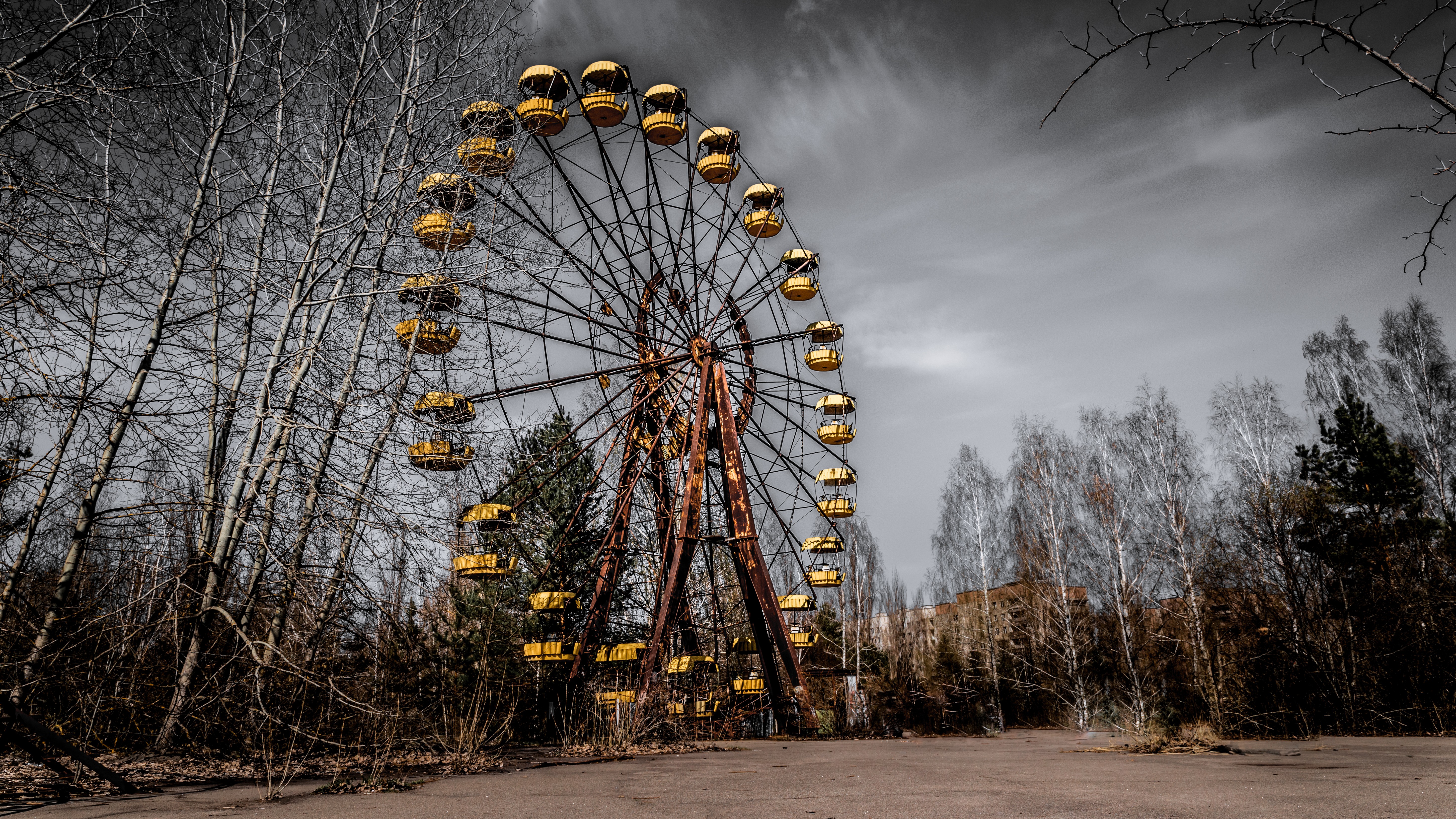 The amusement park in Pripyat. Photo: Shutterstock
The story of Chernobyl is not over. In recent decades, the area around the power plant and the city of Pripyat have become a kind of ecological laboratory: in the absence of humans, wildlife has multiplied, despite the radiation, and the site has become a unique tourist destination, "black" tourism that attracts visitors from all over the world.
To this day, Chernobyl is far from stable, with the regional war bringing it back into the headlines, following military activity and damage to the site's infrastructure, including damage to the containment structure.
The danger of another leak still exists, and the world continues to watch with concern. Four decades after the day Europe's skies exploded, Chernobyl remains a reminder of the cost of human error, controversial and uncontrolled technology, and the ongoing challenge of managing risk in the nuclear age.