Last week marked a significant moment for Montenegro, when the European Union approved the establishment of a working group to formulate its Accession Treaty, the first step of its kind since Croatia joined in 2013.
Montenegro's accession process has been underway for over a decade and has now entered an advanced stage, with 14 negotiation chapters closed so far, and 19 more still open. This stage includes the alignment of legislation, regulations, and public systems with EU standards.
The working group will draft the Accession Treaty between Montenegro and the EU, a legally binding document that will define the terms of accession.
Once the agreement is finalized, it will require approval by all EU institutions and ratification by all member states.
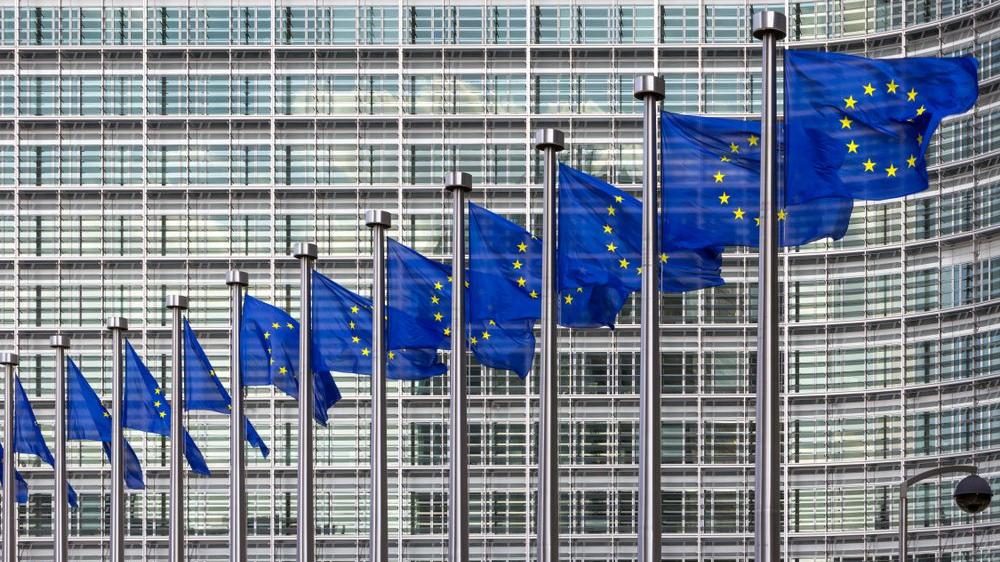 The European Union has approved the establishment of a working group to formulate the accession treaty. Photo: Shutterstock
After completing all the steps, Montenegro will be able to join the European Union as a full member.
What Does It Mean for Tourists?
Montenegro, a small but diverse country in the Balkans, has become one of Europe's most intriguing and growing destinations in recent years. The country offers a unique combination of stunning beaches along the Adriatic Sea, well-preserved historic cities like Kotor and Budva, alongside dramatic mountain landscapes, national parks, and picturesque lakes.
The proximity of the coast to the mountains allows visitors to combine a relaxing vacation with nature walks, local cuisine, and authentic cultural experiences, all within relatively short driving distances.
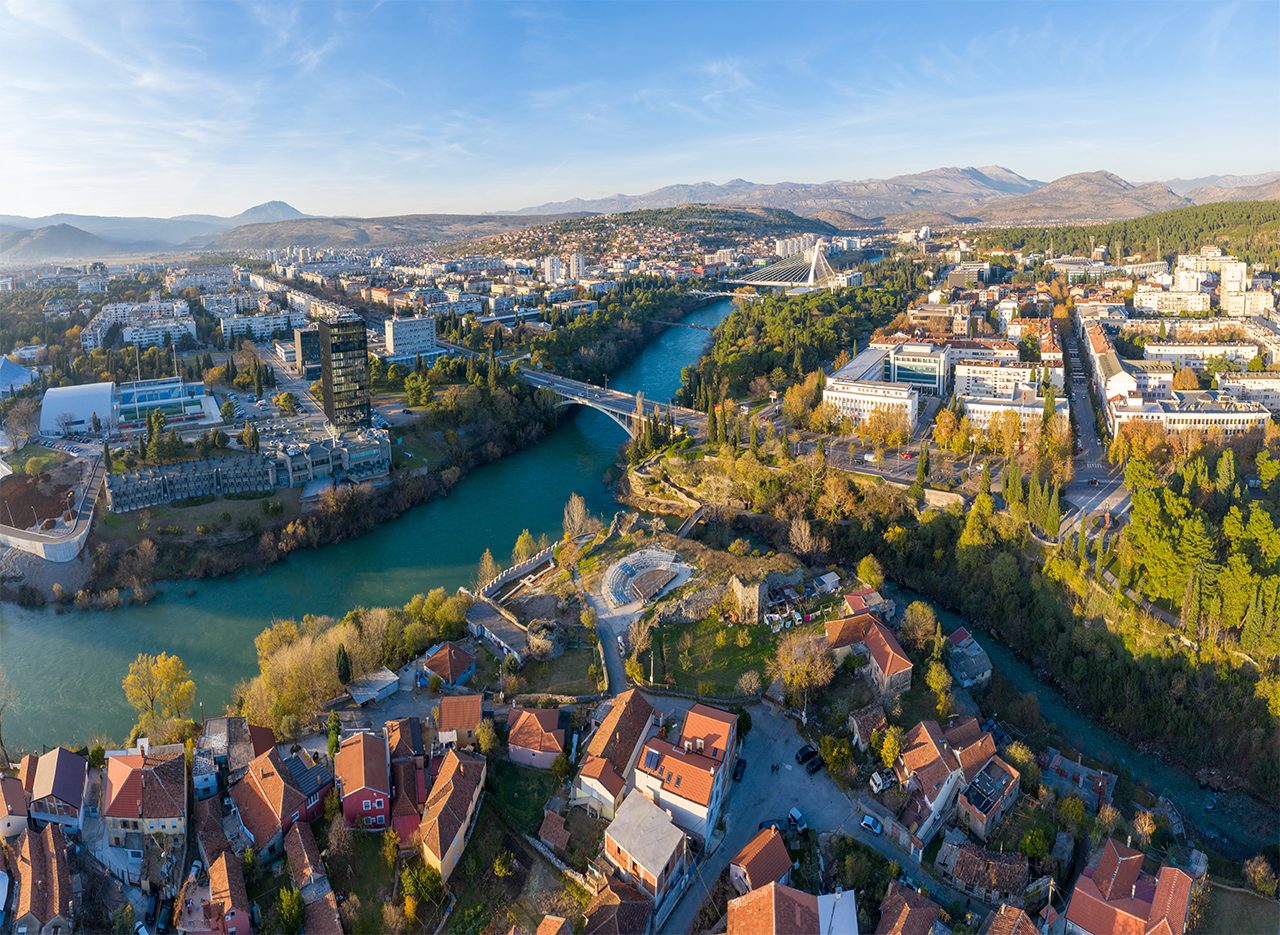 Podgorica, Montenegro. Photo: Shutterstock
Podgorica, the capital of Montenegro, is rightly considered the beating, rejuvenating heart of the country. In the past, many tended to skip it on their way to the beaches, but in recent years it has become a destination in its own right. The city combines Ottoman history in the old 'Stara Varos' neighborhood alongside modern boulevards, glittering shopping centers and vibrant nightlife. The iconic Millennium Bridge spanning the Moraca River has become a symbol of a city in flux, offering excellent chef restaurants at very affordable prices, spacious green parks and a perfect starting point to the family wineries that surround it, where the famous 'Vranc' wine is produced.
A must-see destination in Montenegro is the Bay of Kotor, the highlight of the Balkan country, known by many as the 'southern fjord of Europe' and considered by many to be one of the most beautiful bays in the world.
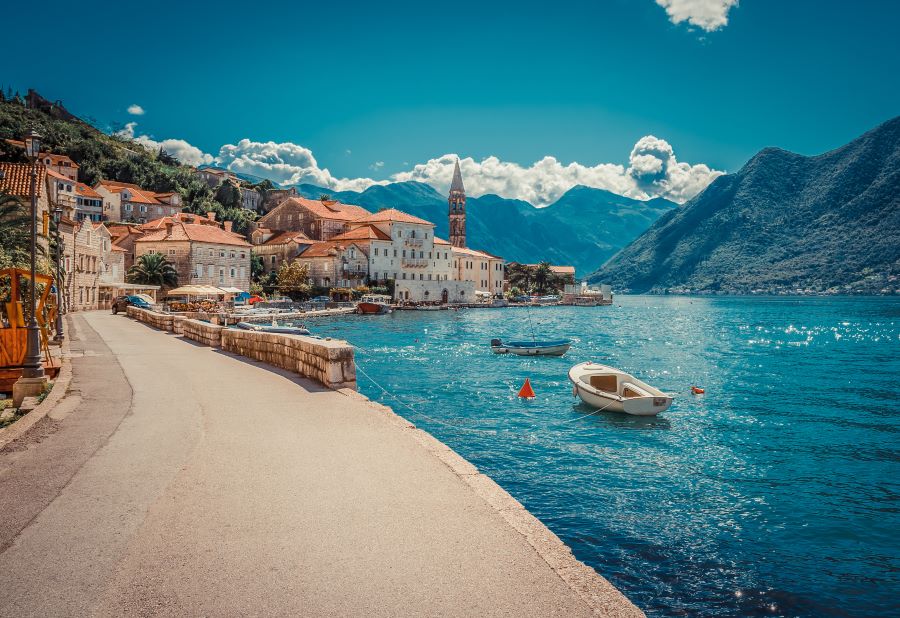 Bay of Kotor, Montenegro. Photo: Shutterstock
Alongside the political aspect, the newly announced progress may also have economic and tourism implications, especially regarding investments, infrastructure, and visitor traffic. As a new EU member, the country will also fully adopt the EU border systems. For tourists from visa-exempt countries like the United States, the United Kingdom, and Canada, this means the need to obtain ETIAS authorization and undergo fingerprinting through the Entry-Exit System (EES).
Another big change that would come gradually refers to future Schengen membership, which would bring the removal of border checks with other EU countries, offering smoother and easier travel.
As for transportation and tourist services, visitors can expect standardized, higher-quality services due to enforced EU regulations.