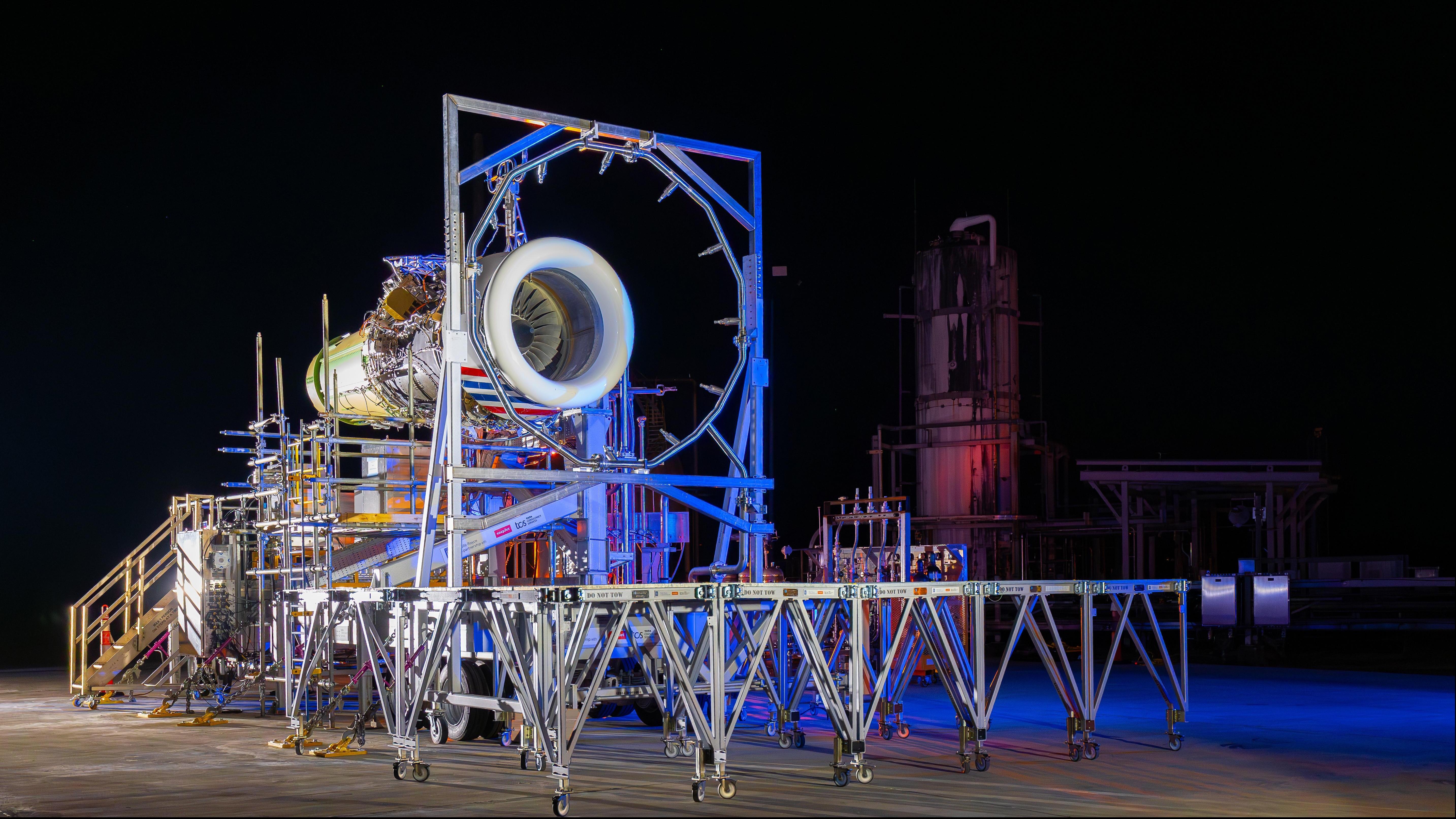
easyJet and engine manufacturer Rolls-Royce have announced the completion of a significant phase of testing for hydrogen-powered aircraft engines, another step in efforts to reduce carbon emissions in the industry.
As part of the test, a specially adapted Pearl 15 engine successfully operated on 100% hydrogen and reached full takeoff power. The test was conducted at NASA's Stennis Center in Mississippi and is considered the first of its kind in the industry.
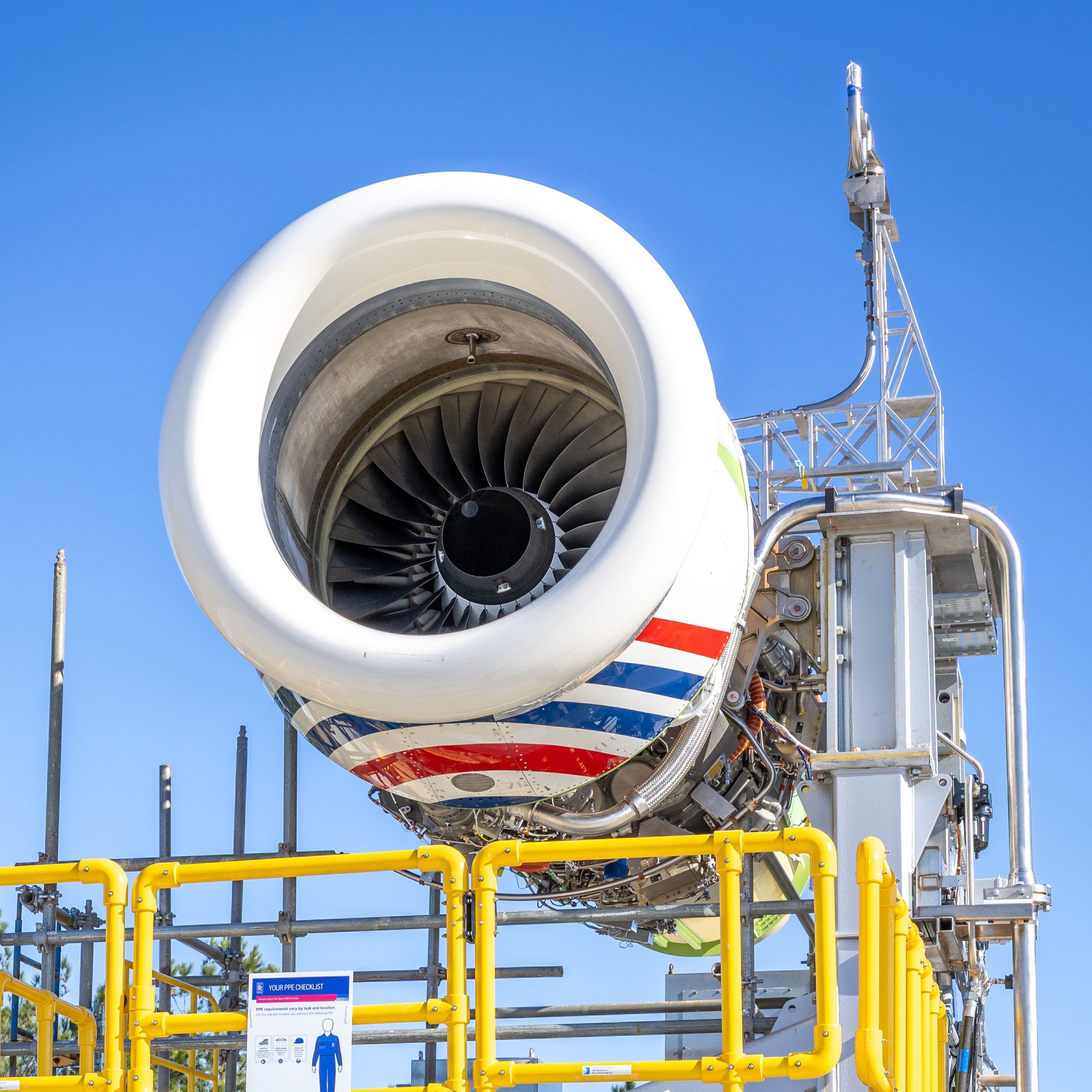 Photo: easyjet
The test demonstrated that a modern jet engine, which can be adapted for narrow-body aircraft, can safely operate on hydrogen throughout a full flight cycle, including start-up, takeoff, cruise, and landing. This is the result of a four-year collaboration between the companies and international partners to examine the feasibility of using hydrogen as an aviation fuel.
The program saw a series of phased trials, from initial testing in the UK in 2022, through the development of dedicated test facilities in Europe, to the full integration of a hydrogen-based propulsion system into a test engine. Adaptations have included modifications to the fuel and combustion systems, while examining wider environmental impacts beyond carbon emissions.
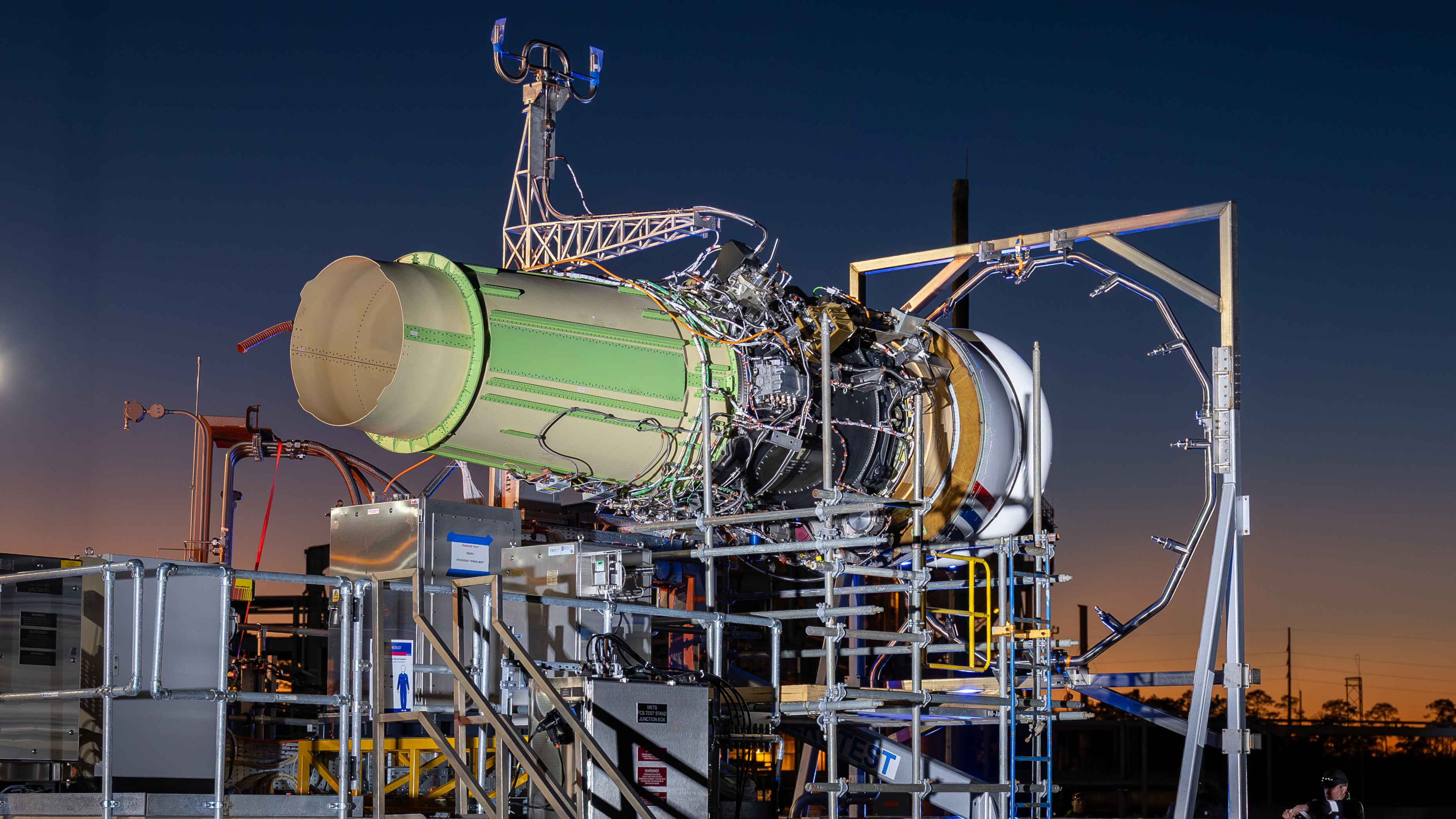 Photo: easyjet
According to the companies, the findings from the experiments provide important engineering insights into hydrogen combustion, fuel systems and engine integration, and can support the development of future aircraft with reduced emissions. The use of hydrogen is expected to be integrated alongside sustainable aviation fuel as a complementary solution to reduce emissions in the industry.