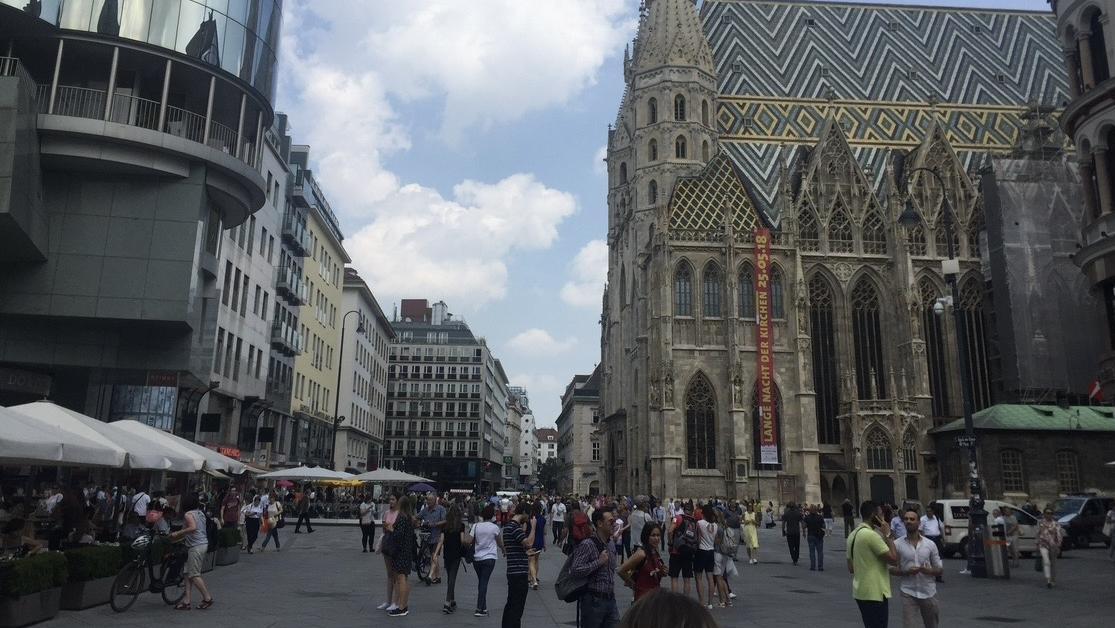
Ahead of the Eurovision final to be held tomorrow, May 16, 2026, Vienna is expected to be filled with visitors from all over Europe, but those who only choose to stay in the historic center will miss a significant part of the city.
Beyond Schönbrunn Palace and the famous cafes, there is another Vienna, younger, more local, and sometimes rougher, that offers a completely different experience.
1. 7th District (Neubau): Creative Vienna
Vienna has quite a few neighborhoods, but the Neubau district is considered one of the youngest and most dynamic areas in the city. It is an area of small galleries, independent design shops, small bars and cafes with a less “polished” and more local character.
Along Mariahilfer Street and around the side streets you can find vintage shops, changing art spaces and graffiti that tell the story of the contemporary city. In the evening, the area becomes a meeting point for young locals and fewer tourists.
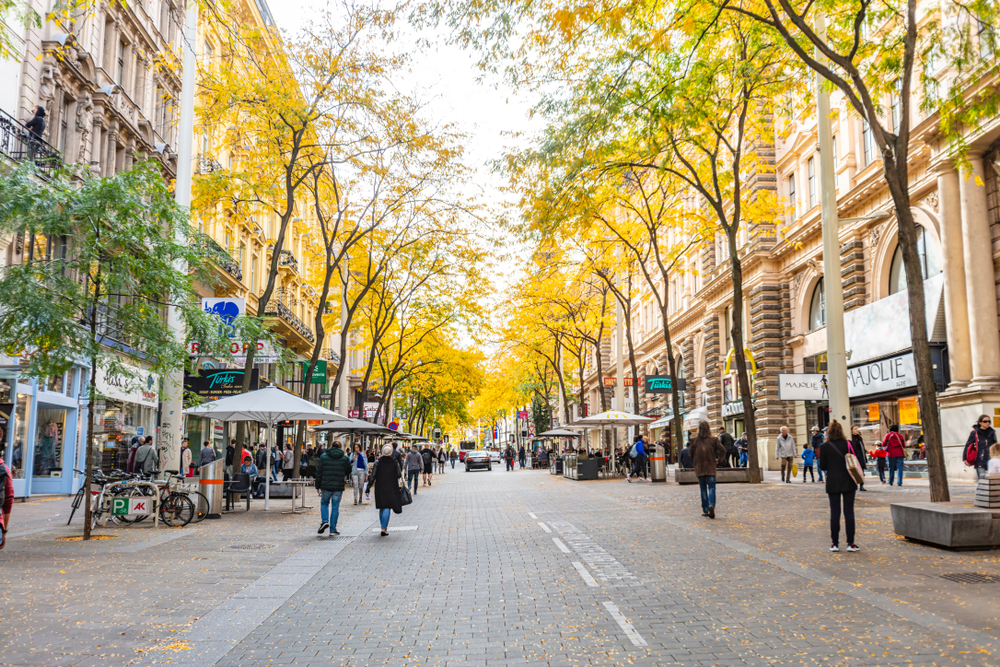 Mariahilfer Street in Vienna. Photo: BABAROGA / Shutterstock
2. Brunnenmarkt Market: The Locals' Market
While Naschmarkt is very well-known to tourists, Brunnenmarkt is a much more local and authentic version. It is a neighborhood market where you will find Turkish, Balkan and Austrian food stalls, alongside small restaurants with more affordable prices.
The atmosphere here is less “Instagrammable” and more everyday, with a regular crowd of locals. It’s a good place to see the multicultural side of Vienna without filters.
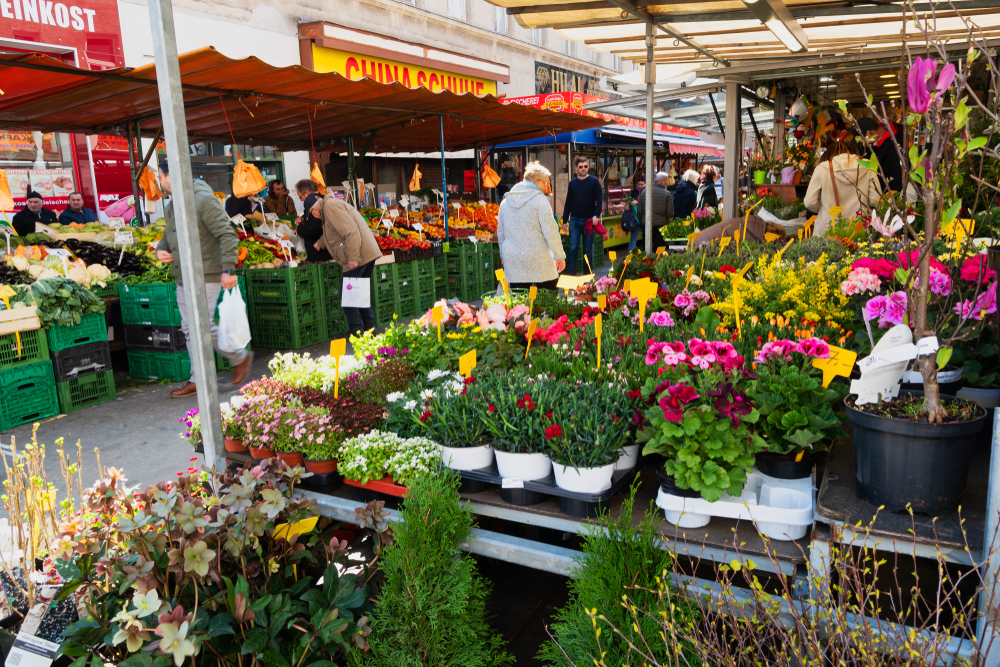 Brunnenmarkt market in Vienna. Photo: Muellek / Shutterstock
3. Danube Canal: Nightlife on the Water
The Danube Canal has become a popular entertainment area for locals in recent years. Along the waterfront are bars, food stalls, and music that starts in the afternoon and continues into the night.
This is not a luxurious or classic area, but a colorful place where the atmosphere is less formal and more spontaneous. Especially in the summer, it is one of the most active places in the city.
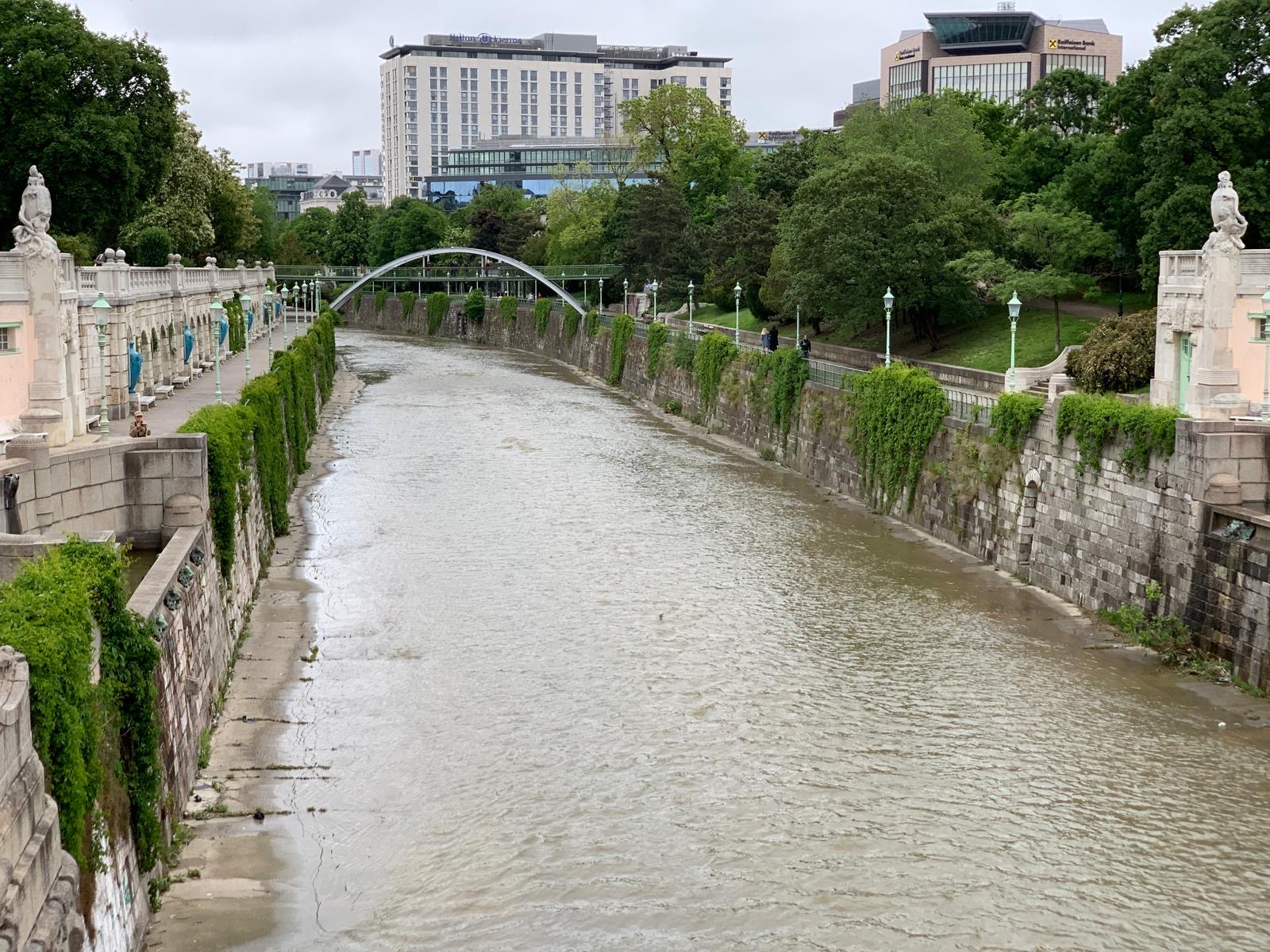 The Danube Canal. Photo: PassportNews
4. Arenbergpark and Floridsdorf area: Vienna for the residents
In the northwest of the city is the Floridsdorf area, which offers a very different experience from the historic center. A park called Arenbergpark and the streets around it are mainly used by local residents, with walking and cycling paths and quiet residential areas.
This is not an area designed for attractions, but a place that helps you understand what daily life is like in a large European city. For those looking to get away from the hustle and bustle of Eurovision in a green and calm park, this is the place to be.
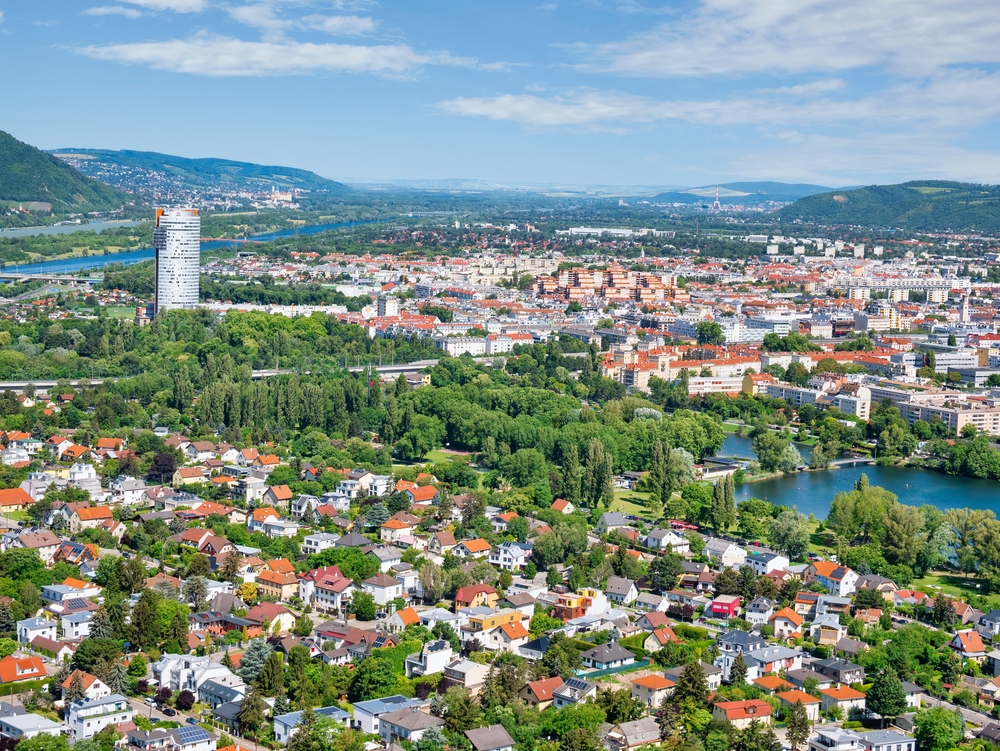 Floridsdorf area and the Danube River. Photo: Shutterstock
5. Ottakring: The City's Multicultural District
Ottakring is considered one of the most culturally diverse areas in Vienna. It is a district where many communities live, which is reflected in the restaurants, small bakeries and neighborhood markets.
Instead of classic tourism, you'll find street food, family-run shops, and a less decorated but much more authentic atmosphere. This is an area that clearly illustrates the demographic change the city has been going through in recent years.
The bottom line is that Vienna during Eurovision weekend will be busy, colorful, and very central, but the real experience doesn't end at the concert halls or familiar sites. Those who stray a little off the beaten path will discover a more complex, more diverse, and, above all, much more local city.
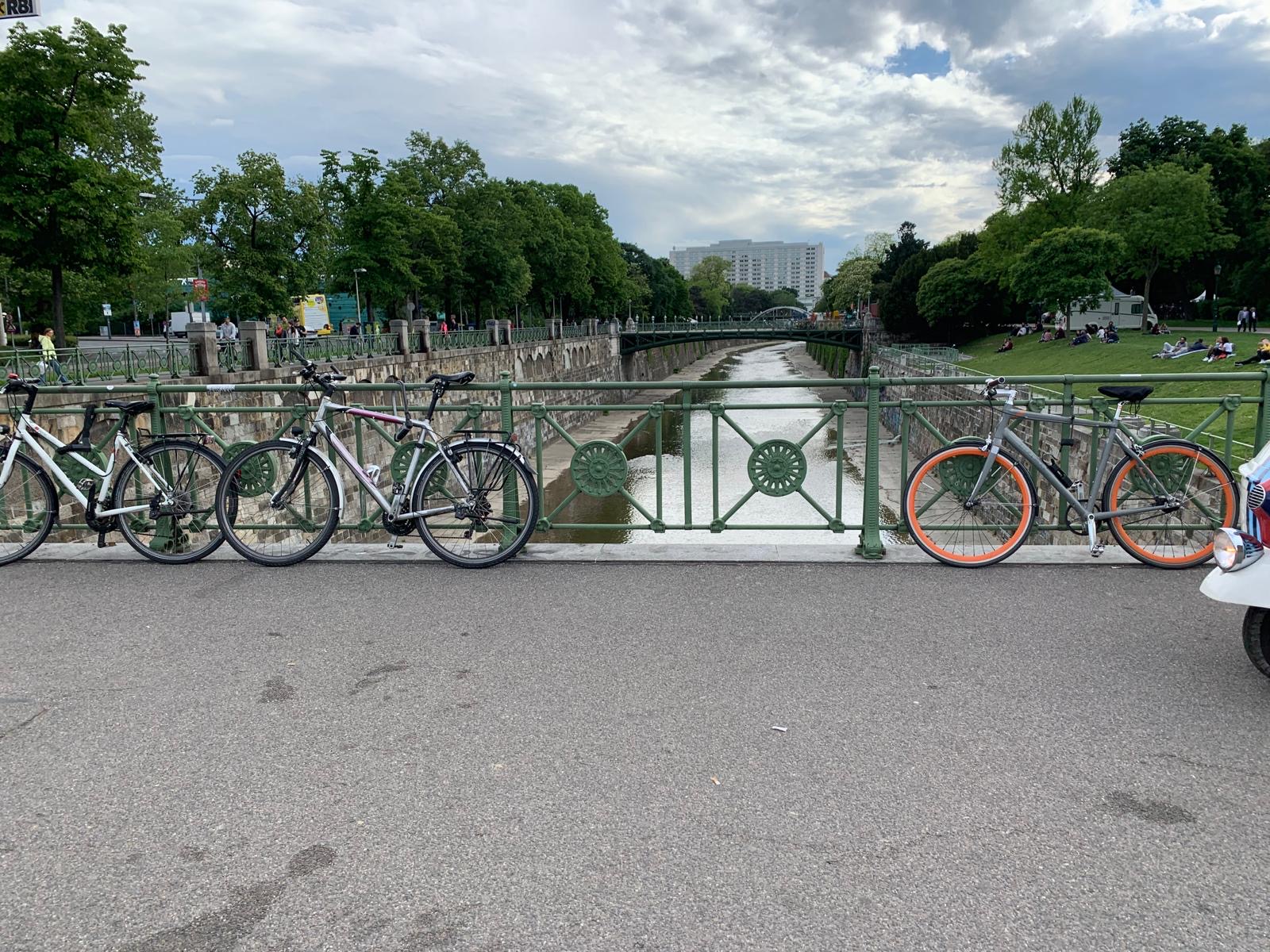 Photo: Passport News
 Photo: PassportNews
 Photo: PassportNews