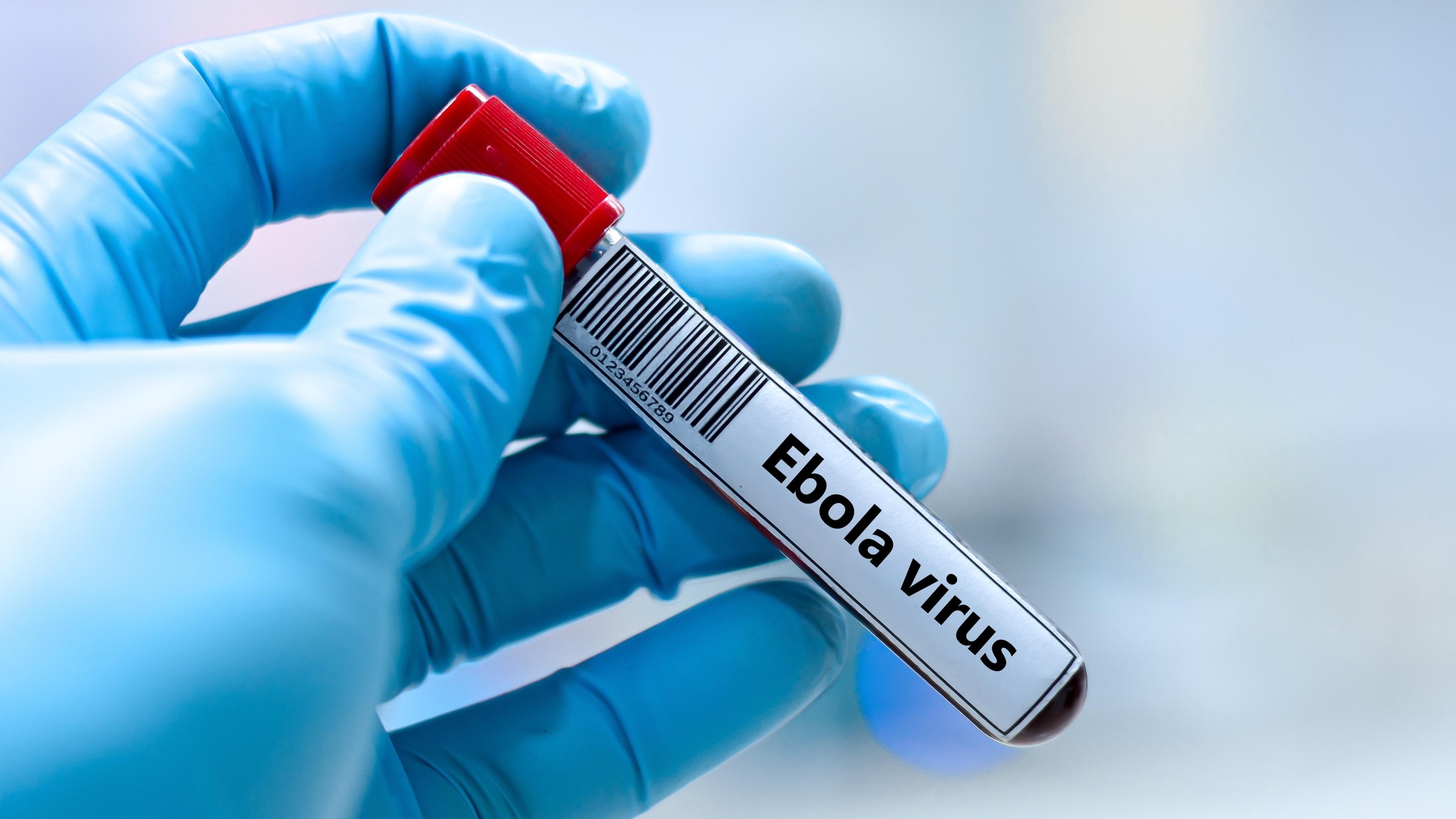
The U.S. Deptartment of State Consular Affairs has today, May 18, 2026, announced that the World Health Organization (WHO) "declared the Ebola outbreak in the DRC and Uganda a Public Health Emergency of International Concern," as regional authorities step up efforts to contain the virus and prevent further spread.
The declaration was issued on Sunday, May 17, following growing concern over rising cases and the risk of cross-border transmission in Central and East Africa.
On the same day, the government of Rwanda announced the closure of its land border with the DRC in response to the outbreak. The move is aimed at limiting movement between the two countries as health officials work to strengthen surveillance and screening measures.
Earlier, on May 15, the Centers for Disease Control and Prevention in the United States issued a Level 2 Travel Health Notice for the DRC, advising travelers to practice enhanced precautions because of the Ebola outbreak.
The CDC also warned against travel to Ituri Province, which remains under a Level 4 “Do Not Travel” advisory due to both the outbreak and security concerns. U.S. officials said their ability to provide emergency services to American citizens in the province is extremely limited.
Ebola is a rare but severe hemorrhagic fever that spreads through direct contact with infected individuals, bodily fluids, contaminated objects, or the bodies of people who have died from the disease. Symptoms can initially resemble malaria or influenza and may include fever, muscle pain, fatigue, vomiting, and severe complications in advanced cases.
Health authorities are urging travelers and residents in affected areas to remain vigilant and seek medical guidance immediately if symptoms develop after possible exposure.
The CDC advised travelers returning from outbreak areas to monitor their health for 21 days and continue taking malaria-prevention medication, as malaria symptoms can resemble Ebola symptoms and may lead to unnecessary alarm.
Authorities continue to emphasize that early detection, isolation of cases, contact tracing, and infection prevention measures remain essential to controlling Ebola outbreaks.