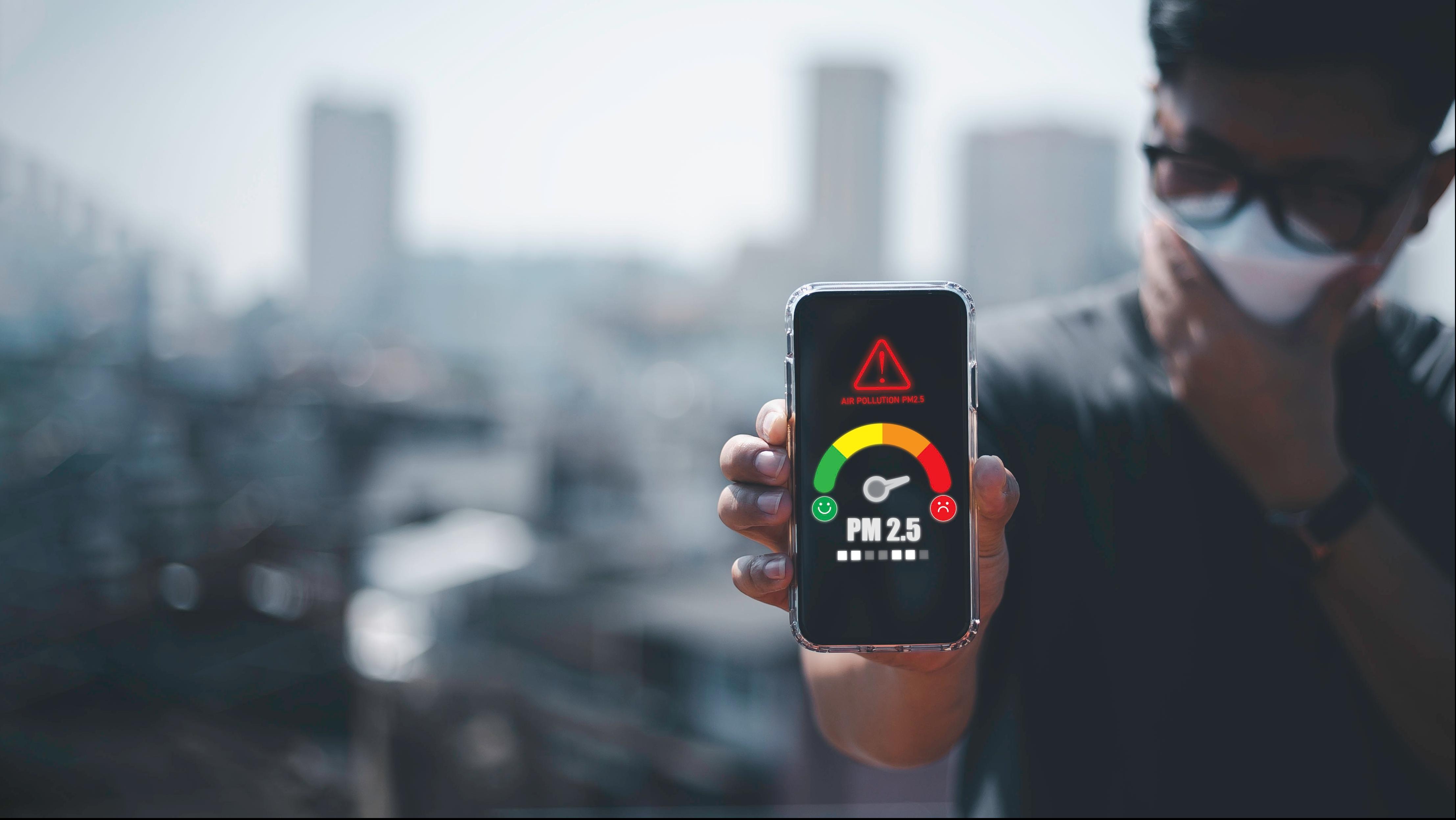
Madrid Health, the specialized public agency under the Madrid City Council responsible for public health, disease prevention, and community healthcare, has issued a warning after elevated levels of airborne particles were recorded in the city due to an influx of African air masses.
The institution, working with the Madrid City Council and regional air monitoring services, said on Wednesday, May 27, 2026, that dust from the Sahara is expected to significantly reduce air quality and may persist for several hours.
Symptoms and Risks of Exposure
Residents are being advised to avoid intense outdoor exercise and limit prolonged time outside, especially vulnerable groups, including people with respiratory or cardiovascular conditions, pregnant women, older adults, and young children.
Officials also warned that exposure to high particle levels can cause irritation of the eyes, nose, throat, and airways, along with coughing, mucus production, wheezing, chest tightness, and shortness of breath. In some cases, people may also experience palpitations, unusual fatigue, and breathing difficulties.
Health authorities added that individuals with chronic respiratory diseases such as asthma, COPD, and emphysema may see worsening symptoms, while others may become more susceptible to respiratory infections like bronchitis. Medical experts also note that fine particulate matter can trigger inflammatory responses affecting the cardiovascular system, potentially increasing the risk of arrhythmias, heart attacks, and strokes.
Long-term exposure has been linked in scientific studies to more serious health outcomes, including an increased risk of cancer, with particulate matter classified as a human carcinogen by the International Agency for Research on Cancer. Research also suggests possible links between high particle exposure and complications in pregnancy, including low birth weight and premature birth.
Authorities emphasized that while this episode is temporary, air pollution events of this type should be taken seriously. Residents are encouraged to stay informed and check local air quality updates before planning outdoor activities.
Spain has also recorded unusually high temperatures in the last few days, wth ECMWF models and European weather forecasts showing that certain areas of the Iberian Peninsula are expected to reach 38 and even 40 degrees in the coming days.