Japanese authorities continue to urge residents to remain alert and follow evacuation guidance as Typhoon No. 6 approaches the country, bringing the threat of heavy rain, strong winds, high waves, and potential landslides across multiple regions.
Naha Airport has chosen to prioritize the safety of customers and personnel and remain closed for the entire day (June 1).
The airport will resume regular operations on June 2, starting at 6:00 a.m. local time. The entire Naha Airport Terminal Building
and airport parking will be open as usual, according to a recent notice issued at 03:35 PM local time (6:35 AM GMT).
Skymark Airlines has also announced possible flight delays, cancellations, and conditional operations for flights to and from Amami Oshima, Naha, and Miyako (Shimojishima) from June 1 to June 2, as well as flights to and from Kagoshima Airport on June 2.
UPDATES:
Tokyo Metro has also warned the public about possible "delays or suspensions of train services from early morning to evening on Wednesday, June 3."
"We kindly ask that you pay attention to future operation information and use our services with ample time to spare."
Hanyku Railway has issued a similar warning for passengers: "Due to the influence of Typhoon No. 6, if the wind and rain intensify, train services may be suspended. Please pay attention to the guidance on our website in the future."
Possible Level 4 Sediment Disaster Danger Warnings Coming
According to an update from the Prime Minister's Office, the Japan Meteorological Agency has already issued Level 2 heavy rain advisories, storm warnings, and high wave warnings for the Okinawa region and other parts of the country.
Officials warned that weather conditions could deteriorate further, with the possibility that higher-level disaster warnings may be issued as the storm develops.
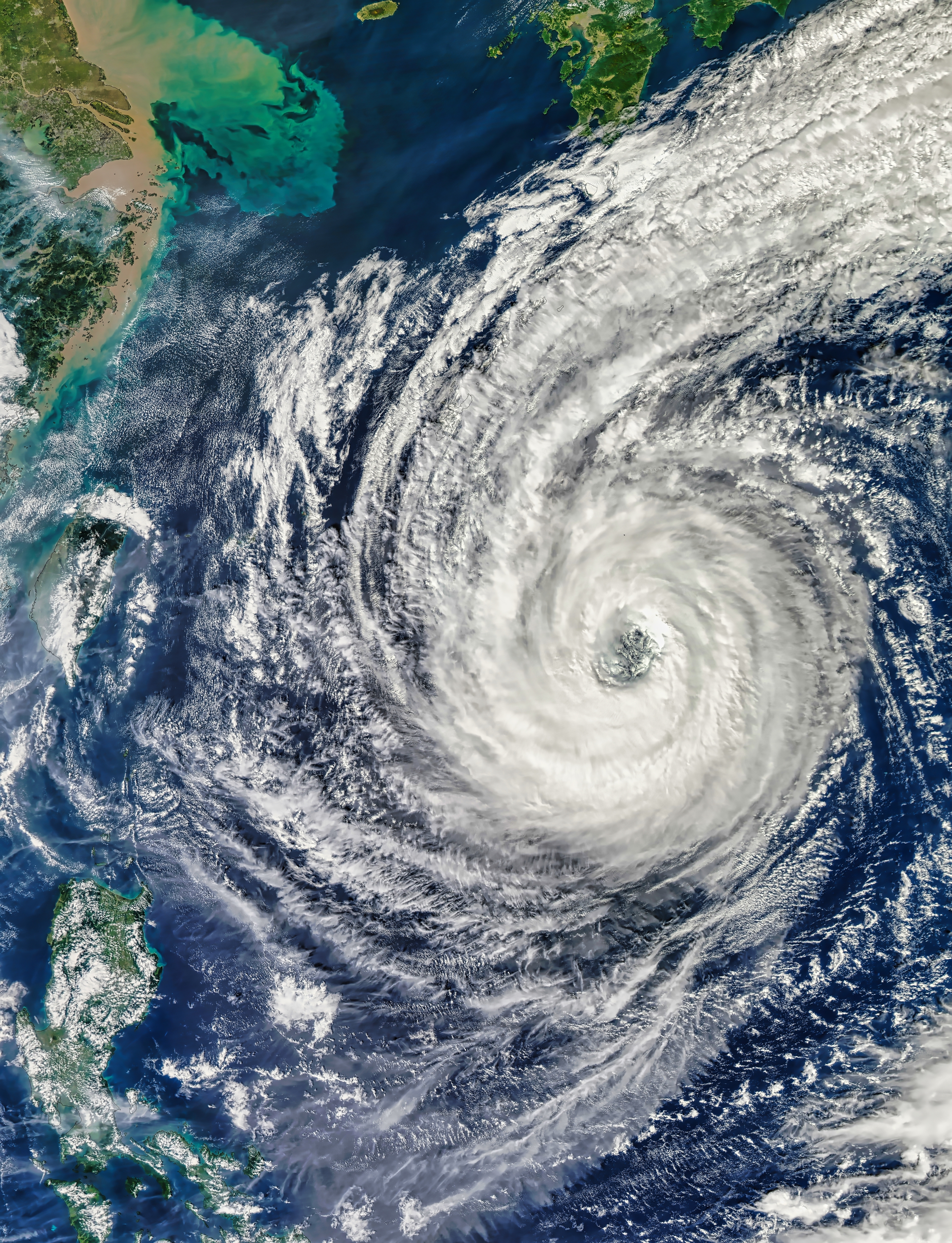 Typhoon. Photo: Shutterstock
"The Japan Meteorological Agency has issued Level 2 heavy rain advisories, storm warnings, high wave warnings, and others for the Okinawa region and other areas as of now, and there is a possibility that Level 4 sediment disaster danger warnings and others may be issued due to heavy rain in the future," said PM Sanae Takaichi's announcement.
Several municipalities in Okinawa Prefecture have already taken precautionary measures, issuing Alert Level 4 evacuation orders as the typhoon moves closer.
Evacuation Orders in Place
Some local authorities in Okinawa Prefecture have already issued Evacuation Orders at Alert Level 4, amid stormy conditions and heavy rainfall expected to affect a broad area stretching from Okinawa northward toward the Tohoku region. Additional evacuation orders could be issued by local governments depending on the storm's track and intensity.
In preparation for the sixth typhoon to hit Japan this year, the Japanese government established an information liaison room at the Crisis Management Center within the Prime Minister's Office on May 29.
"At the Prime Minister's Office, in preparation for Typhoon No. 6, an information liaison room has been set up at the Kantei Crisis Management Center at 4:00 p.m. on May 29, and it is engaged in information gathering."
Officials are urging residents to closely monitor weather updates and evacuation information through official channels and to take action immediately if conditions become dangerous.
"We ask all citizens to pay close attention to disaster prevention weather information and the latest evacuation information from local governments via radio, television, the internet, and other means, and if you feel even the slightest danger, to take prompt action without hesitation to protect your own life as early as possible."
"The Wind Has Become Quite Strong"
Today, June 1, Naha's former deputy mayor, Gent Koja, issued a new warning about strong winds and numerous power outages.
"The wind has become quite strong. Tonight, Typhoon No. 6 is expected to approach the main island of Okinawa the closest. It seems that the number of areas experiencing power outages is gradually increasing."
Last November, at least two died and more than 1.4 million were evacuated as super typhoon Fung-wong brought floods, landslides, and powerful winds in the Philippines. Earlier, in September, hundreds of flights were canceled at Hong Kong Airport as Super Typhoon Ragasa hit Asia, with Taiwan suffering severe flooding, fatalities, and widespread damage.