Announced by U.S. Transportation Secretary Sean P. Duffy and FAA Administrator Bryan Bedford, the new systems include Flow Management Data and Services (FMDS), which will serve as the technological backbone of the FAA’s Air Traffic Control System Command Center, and Strategic Management of Airspace, Routes, and Trajectories (SMART), a tool that will use predictive data to identify congestion before flights depart.
According to the FAA, the technologies are expected to improve traffic flow, increase airspace capacity, and reduce delays by helping controllers proactively manage air traffic rather than reacting to disruptions after they occur.
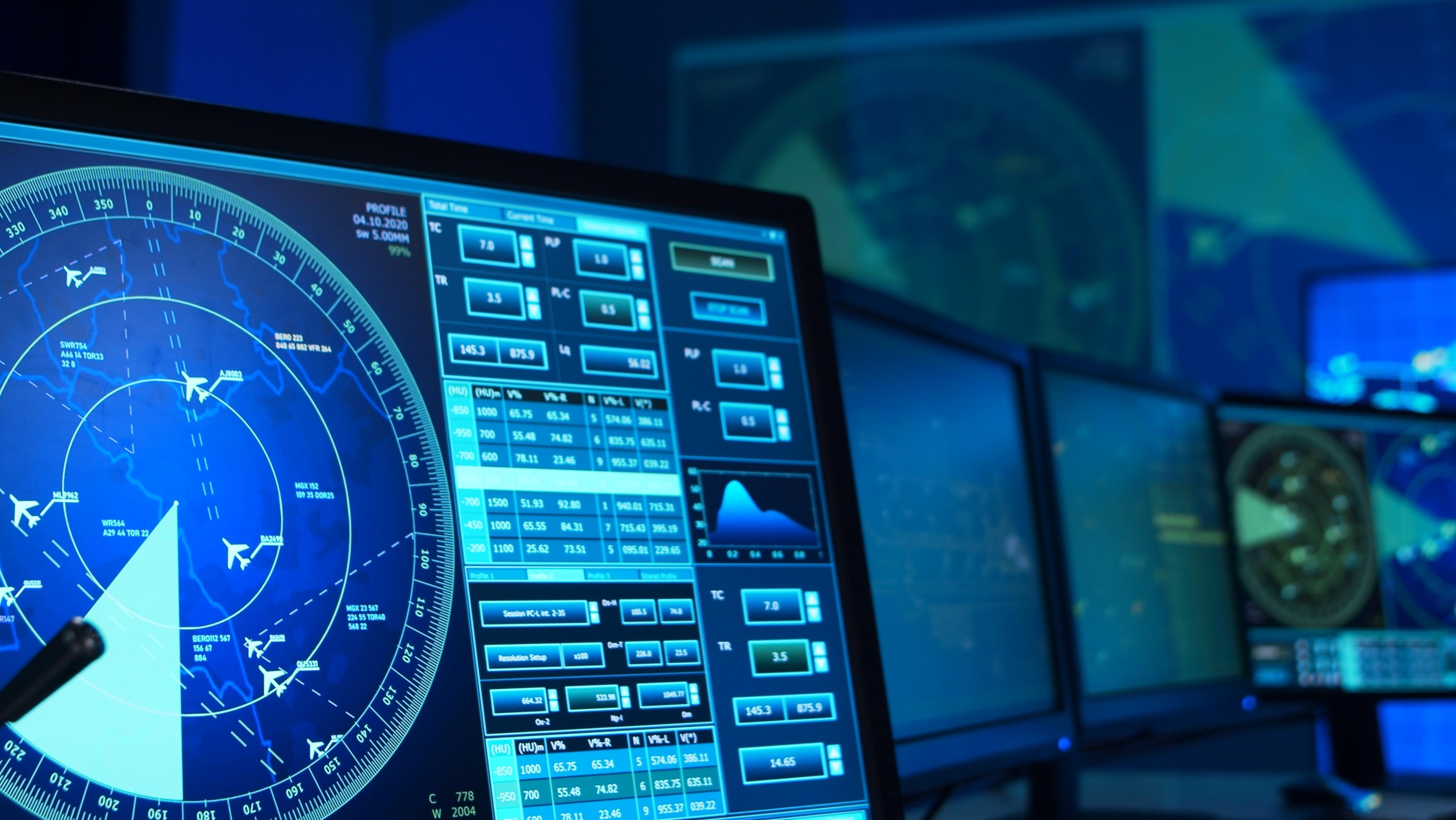 Photo: Shutterstock
The agency said current operations rely on multiple disconnected systems and have limited ability to predict the impact of weather, runway closures, or changes in demand. The new platforms will consolidate critical information into a single system, allowing controllers to view weather patterns, flight paths, airport capacity, and other operational data through one interface.
Officials said the systems will be capable of identifying potential bottlenecks days, weeks, or even months in advance, enabling more efficient use of available airspace and helping airlines avoid unnecessary delays and cancellations.
Transportation Secretary Sean Duffy said the initiative is part of broader efforts to modernize U.S. aviation infrastructure, while FAA Administrator Bryan Bedford noted that the technology will help reduce congestion and ease controller workload across the national airspace network.
Phillip Buckendorf, Air Space Intelligence CEO, called it "an exciting moment for the millions of Americans who rely on air travel every day and for the airlines, airspace operators, and aviation stakeholders" who keep system moving.
Industry groups, including Airlines for America, welcomed the move, describing it as a long-awaited step toward a more efficient and predictable air traffic management system.
Earlier this month, during the 2026 FAA-EASA International Aviation Safety Conference in Virginia, the FAA and the European Union Aviation Safety Agency reaffirmed their commitment to improving the safety of global aviation through closer cooperation, more transparency, and increased information sharing.