As record numbers of travelers continue to explore the world's most popular destinations, governments are introducing a growing list of rules that visitors may not expect.
From paying simply to enter a historic city to being banned from bringing your own beach umbrella or towel, authorities say the new measures are designed to preserve cultural landmarks, protect natural environments and improve the visitor experience.
Here are some of the most unusual official tourism rules that could seriously impact your travel budget if you're not aware of them.
Italy: Don't Bring Beach Umbrellas and Towels
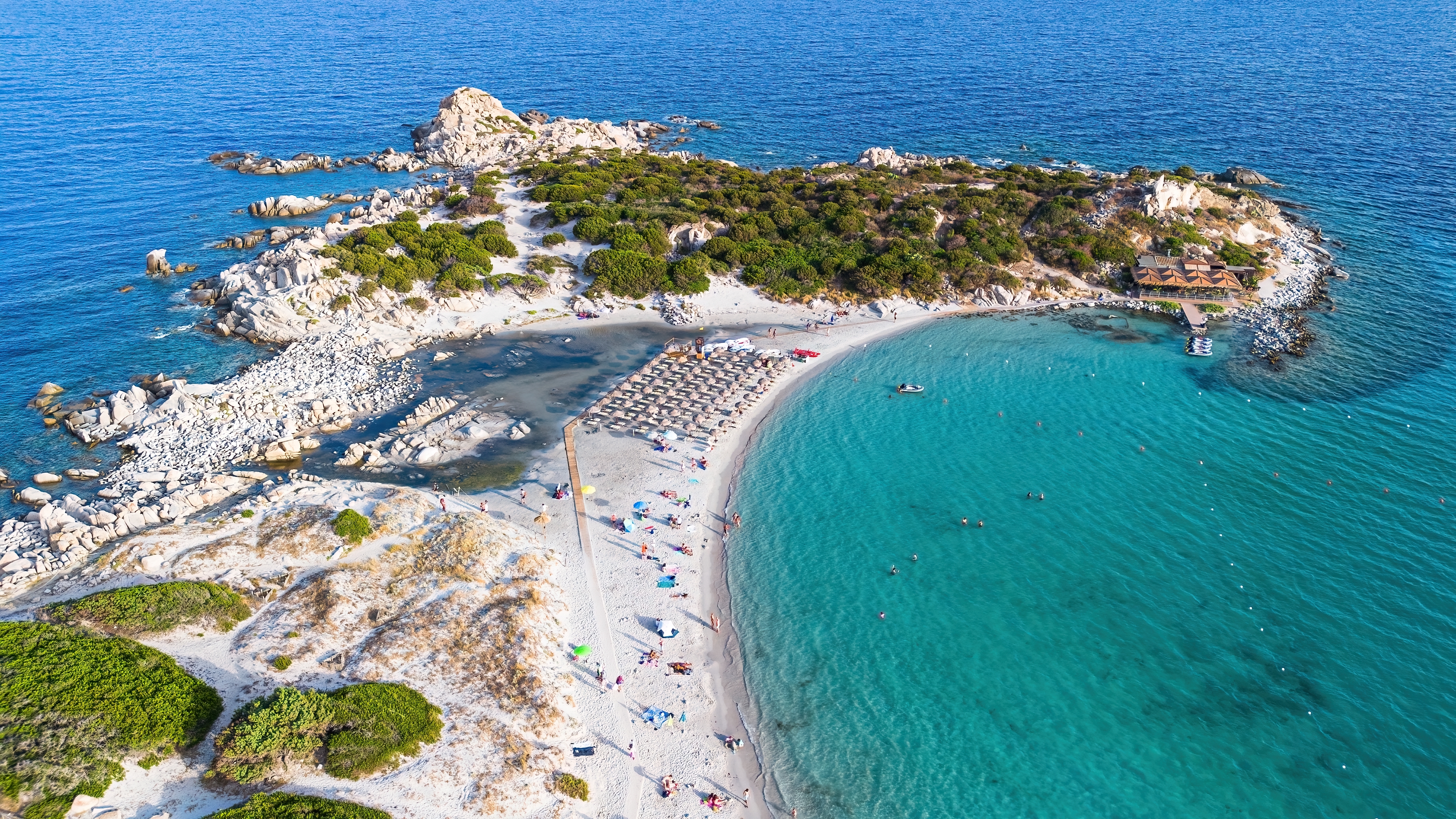 Punta Moleltis, Sardinia, Italy. Photo: Shutterstock
If you're headed to Punta Molentis Beach in Sardinia this summer, leave your beach umbrella at home. Why? Because the Municipality of Villasimius has prohibited visitors between the ages of 10 and 65 from bringing beach umbrellas to the protected beach. Only families with children under 10 and adults over 65 are allowed to use one umbrella, while gazebos, tents and other shade structures are also prohibited.
Officials say the rule was introduced to improve emergency evacuation procedures following recent wildfires and to better protect the environmentally sensitive beach.
While local police can enforce the ordinance, the municipality has not published a standard financial penalty in euros for violating the umbrella restriction. If we take the example of Spanish coastal towns, leaving unattended umbrellas can result in a fine of up to €750.
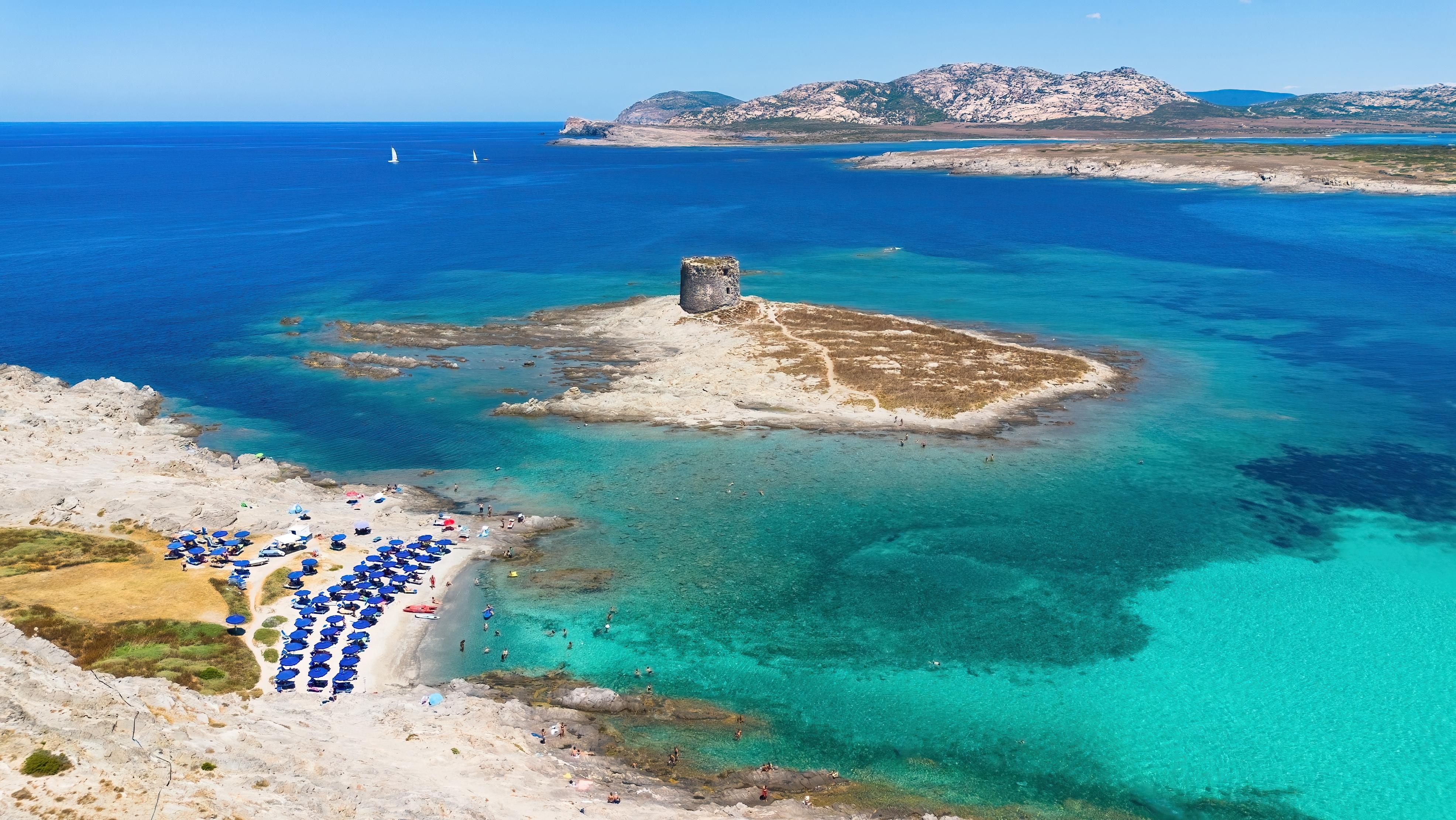
La Pelosa Beach in Sardinia also has a very strange Towel Rule that prohibits tourists from placing a soft fabric towel or sarong straight onto the sand. why? It is deemed illegal because fabric fibers allegedly trap and erode the sand's rare particles. Ignore the rule, and you will get a €100 fine on the spot. What to use instead? Rigid straw or bamboo mats.
Sardinian beaches also prohibit tourists from taking sand, pebbles, or seashells as souvenirs. Fines range from €500 to €3,000 for removing protected coastal sediments.
Venice Will Charge You Just to Enter
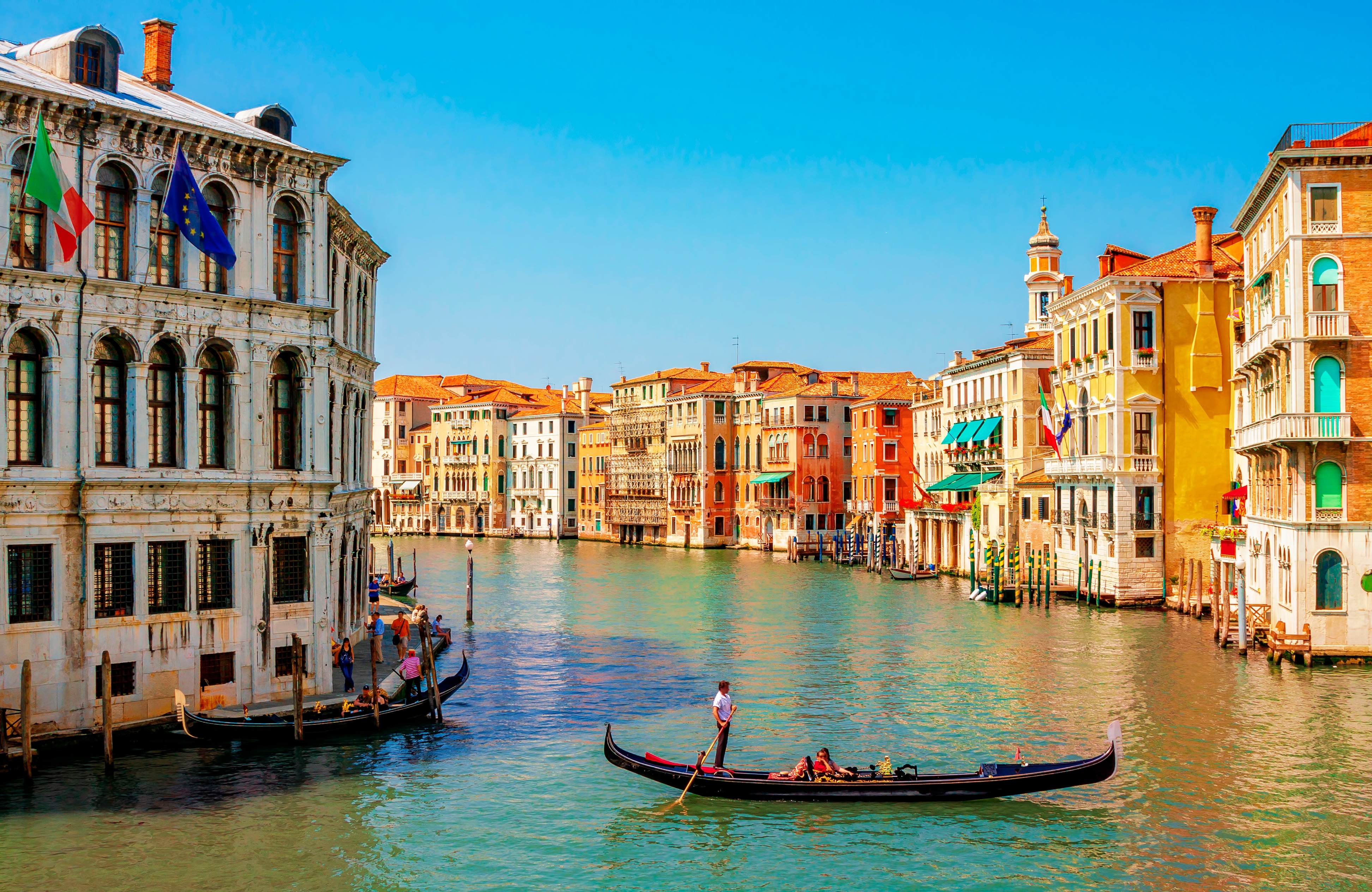 Venice, Italy. Photo: Shutterstock
The iconic city has expanded its access fee system in 2026. On selected peak days between April and July, day visitors entering the historic center must register online and pay an access fee of €5 if booked in advance or €10 for last-minute registrations. Visitors receive a QR code that inspectors can scan throughout the city. Overnight guests remain exempt from the fee but must still register.
City officials say the system helps manage visitor numbers and reduce pressure on one of the world's most visited destinations.
Visitors who fail to register or pay the access fee can face fines ranging from €50 to €300, in addition to paying the required access fee.
Climbing Mount Fuji Now Requires Online Booking
 Mt Fiji trail. Photo: Shutterstock
Japan has also introduced one of its biggest changes for mountain tourism in decades. Namely, if you're looking to climb Mount Fuji's most popular trails, you will first need to reserve your spot online, pay a mandatory climbing fee of $27 applicable to all four main routes (Yoshida, Fujinomiya, Subashiri, and Gotemba), and also comply with daily visitor limits designed to reduce overcrowding and improve safety.
The fee is intended to support Japan's conservation efforts, help maintain the trails, and serve as a safety measure to prevent dangerous overnight climbing.
While there is no official fine, climbers without a valid reservation or who arrive after entry restrictions take effect may be denied access to the mountain.
Bali Has a New Tourist Levy
 Bali, Indonesia. Photo: Shutterstock
International visitors arriving in Bali are now required to pay a tourism levy before or during their visit. The Indonesian government says the Bali Foreign Tourist Levy, currently around €9, will help fund environmental conservation, waste management and the protection of the island's unique culture. The fee can be paid online or via a mobile app and is a one-time payment for the duration of your trip in Bali.
In other words, if you travel to other parts of Indonesia and return to Bali, you will not have to pay the fee again. However, if you leave Indonesia and return, you will have to comply with the new fee requirement again.
Bali has also strengthened its official code of conduct for visitors, reminding tourists to respect religious sites, dress appropriately at temples and follow local customs.
Visitors who have not paid the levy may be required to do so before continuing their journey or accessing certain attractions.
The Acropolis Limits Visitor Numbers
 Acropolis, Athens. Photo: Shutterstock
The Greek Ministry of Culture now operates timed entry and daily visitor limits at the Acropolis in Athens to reduce overcrowding and better protect the UNESCO World Heritage Site. We recently reported on the completion of the most important conservation projects at the Acropolis, aimed at bringing back the Parthenon's historic appearance after more than 200 years.
Visitors are encouraged to book tickets in advance and arrive during their allocated entry window. Visitors without a valid ticket or entry time are denied access.
Machu Picchu Has Introduced Mandatory Circuits
 Machu Pichu, Peru. Photo: Shutterstock
Peru has now introduced mandatory visitor circuits through Machu Picchu. Instead of letting tourists wander freely, the country now requires visitors to follow designated routes depending on the ticket they purchase.
Machu Picchu is organized into three main circuits, each with 10 sub-routes. The tickets are route-specific, which means you will need to choose exactly which areas you want to see. A standard adult circuit (1, 2, or 3) ticket costs €38 to €37. Circuits that also include Machu Picchu Mountain hikes (Huayna Picchu, Machu Picchu Mountain) cost approximately €49- €51.
Officials say the changes protect archaeological remains while helping distribute visitors more evenly across the site.
What happens if you do not pay for a ticket, leave the authorized circuit, or ignore site regulations? You will likely be removed from the archaeological site.
Protected European Beaches Are Limiting Access
Several protected beaches across southern Europe now operate with reservation systems or daily visitor caps during the summer season to preserve fragile dunes, coastal ecosystems and marine habitats while improving the overall visitor experience.
Many beaches also restrict the use of large tents, portable shelters, and oversized beach equipment.
In Sardinia, Italy, visitors to La Pelosa pay a €3.50 entry fee, while those hiking to Cala Goloritzè pay a €7.00 eco-contribution that includes parking. Beachgoers heading to Cala Brandinchi or Lu Impostu must pay a €2.00 entry ticket, whereas the restricted coves of Punta Molentis and Porto Sa Ruxi charge a €10.00 vehicle parking fee plus €1.00 per passenger (or €3.00 for pedestrians).
For Cala Mariolu and Cala dei Gabbiani, a €1.00 to €2.00 eco-tax is seamlessly bundled into the price of your arrival boat ticket.
Over in Spain, visiting Menorca's beautiful Cala Macarella requires taking a mandatory public shuttle bus that costs €4.65 one-way or €9.30 return, while the regulated coves of Costa Brava (Aiguablava, Tamariu, and Llafranc) offer free sand access but charge €3.00 to €10.00 per day for municipal parking.
Greece’s designated "Untrodden Beaches," such as Pori or those in the Messolonghi Lagoon, remain entirely free at €0.00, capping visitor numbers by banning commercial infrastructure like sunbeds and bars rather than charging an entry fee. Some of these beaches also ban organized events of more than 10 people and prohibit the use of large sound amplifiers and speakers.