Airbus is celebrating the 10th anniversary of the A220 entering commercial service, marking a decade that has seen the aircraft evolve from an ambitious clean sheet design into one of the world's most successful next-generation narrow-body jets.
The milestone comes 10 years after the aircraft, then known as the Bombardier C Series, carried its first paying passengers on a SWISS flight from Zurich to Paris on July 15, 2016.
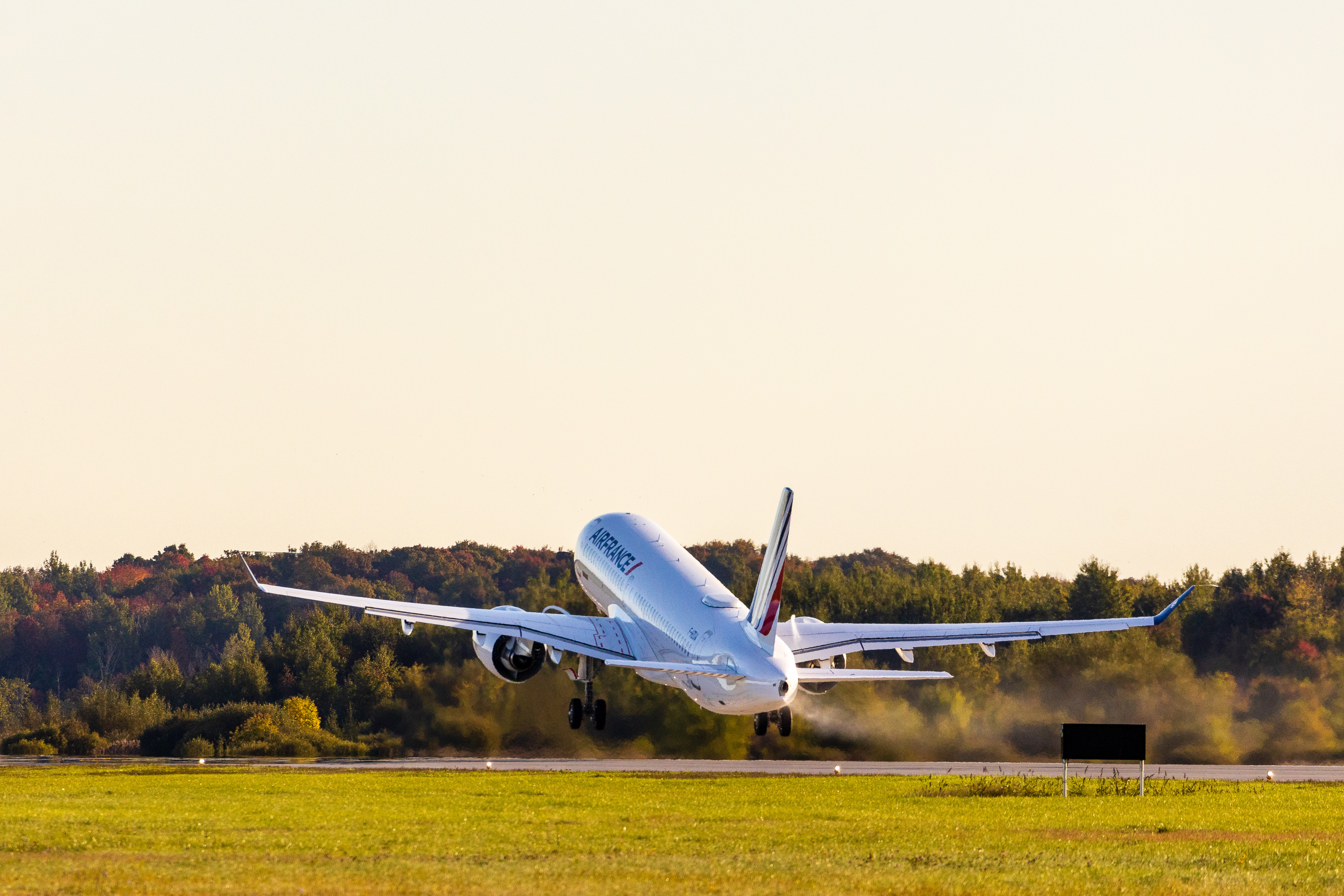 Photo: Luis Fabricio Serrano Images 2022 (Airbus)
Since then, the A220 has grown into a global program, serving more than 240 million passengers while attracting over 1,000 firm orders from airlines around the world. Today, the aircraft is operated by 25 airlines across five continents.
From Phoenix to Black Sheep, Lucky Sevens and A220
The aircraft's story began long before its commercial debut. Airbus highlighted that the first prototype, known as Phoenix, symbolized the program's revival after earlier concepts were abandoned. Seven flight test aircraft, each given distinctive names including Black Sheep and Lucky Sevens, played key roles in years of testing before the aircraft entered airline service.
Originally developed by Bombardier in Mirabel, Quebec, the aircraft was designed from the ground up to become the most efficient aircraft in its market segment.
"Building from nothing is the harder path. It is slow, it is costly, and it asks for enormous ambition. But it was the only path to a true twenty-first-century aircraft," said Dominique Fafard, Airbus Head of Quality in Service, who joined the program in 2013 and helped prepare the first aircraft for flight.
The program reached another major turning point in 2018 when Airbus acquired a majority stake and rebranded the aircraft as the A220. Two years later, Airbus opened a second final assembly line in Mobile, Alabama, complementing production in Mirabel.
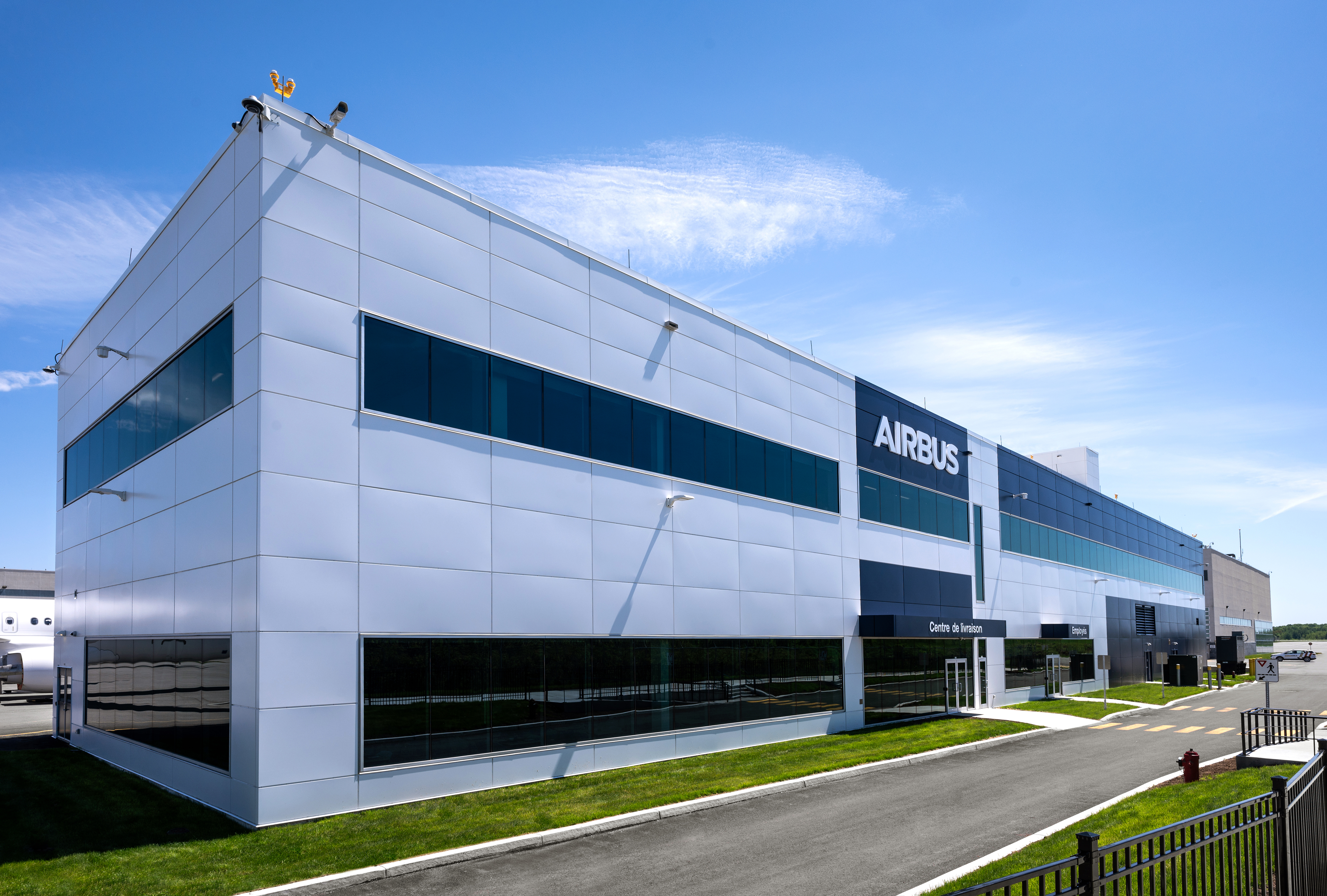 Airbus Center in Mirabel. Photo: Luis Fabricio Serrano Images 2022 (Airbus)
New Routes Launched
According to Airbus, the aircraft has enabled airlines to launch new routes that were previously uneconomical, connecting destinations ranging from northern Europe and the Canary Islands to East Africa, Mumbai and regional Australia. Its quiet operation has also earned it the nickname "Whisperjet."
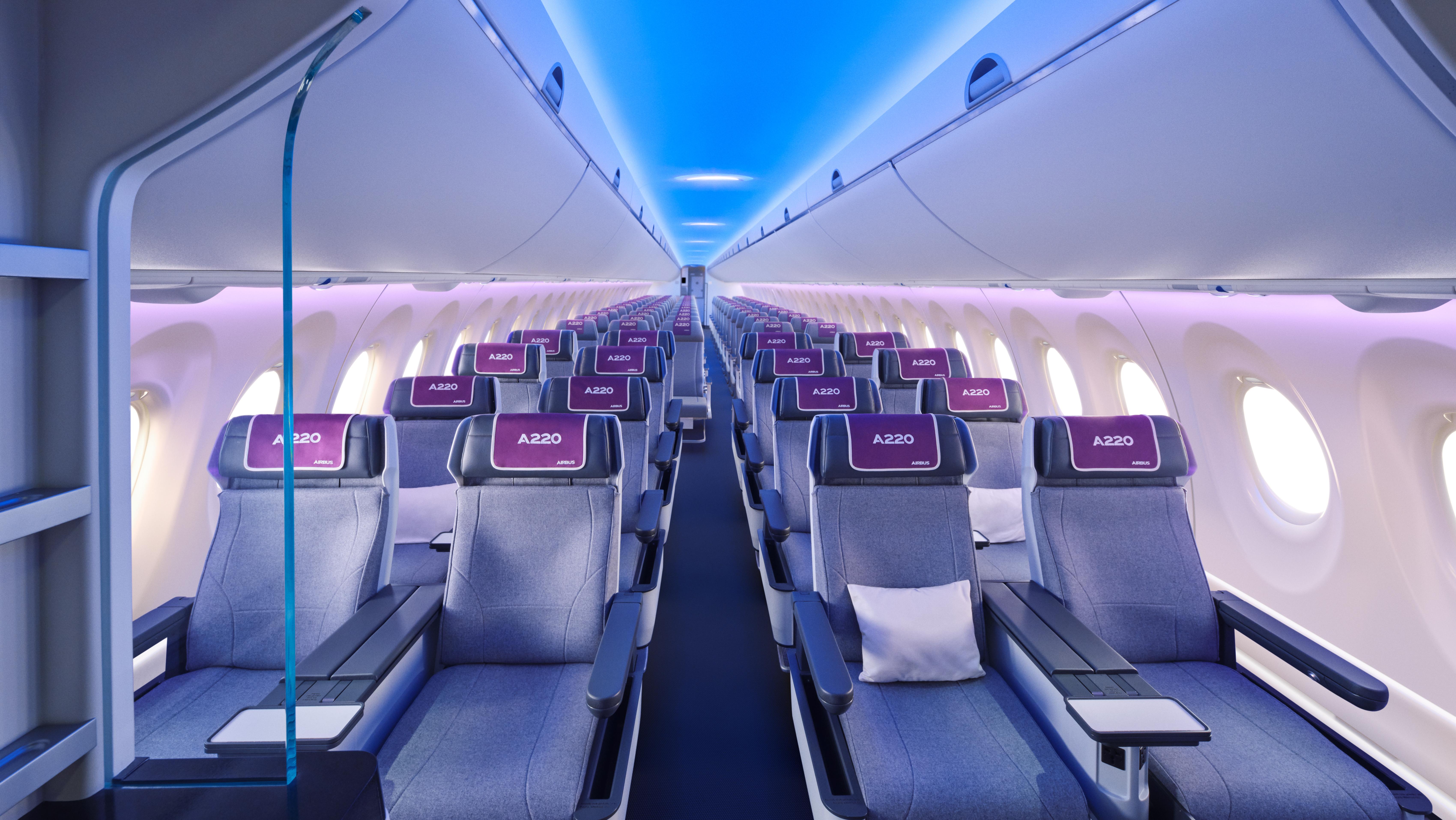
The manufacturer says the aircraft continues to evolve, incorporating Airbus' Airspace cabin design, larger overhead storage bins and common systems shared across its wider commercial aircraft family.
As production continues to ramp up, Airbus recently celebrated the delivery of the 500th A220 assembled in Mirabel, underscoring the program's growing importance within its commercial aircraft portfolio.
Looking ahead, Airbus says the focus remains on further improving the aircraft while building on the foundations established during its first decade of service.
"I would like them to look back and say that the decisions made during the program's first twenty years created a strong foundation for decades of success," said Istifan Ghanem, Head of A220 Customer Support, Upgrades and Contracts Services.
Ten years after carrying its first commercial passengers, the A220 has become a key part of Airbus' single-aisle family, with the manufacturer positioning it for continued growth as airlines seek more fuel-efficient aircraft for short and medium-haul routes.