Anyone planning a trip to Thailand should make sure they can prove they have sufficient funds before arriving. The Tourism Authority of Thailand has reminded foreign visitors that immigration officers may request financial evidence during entry screening.
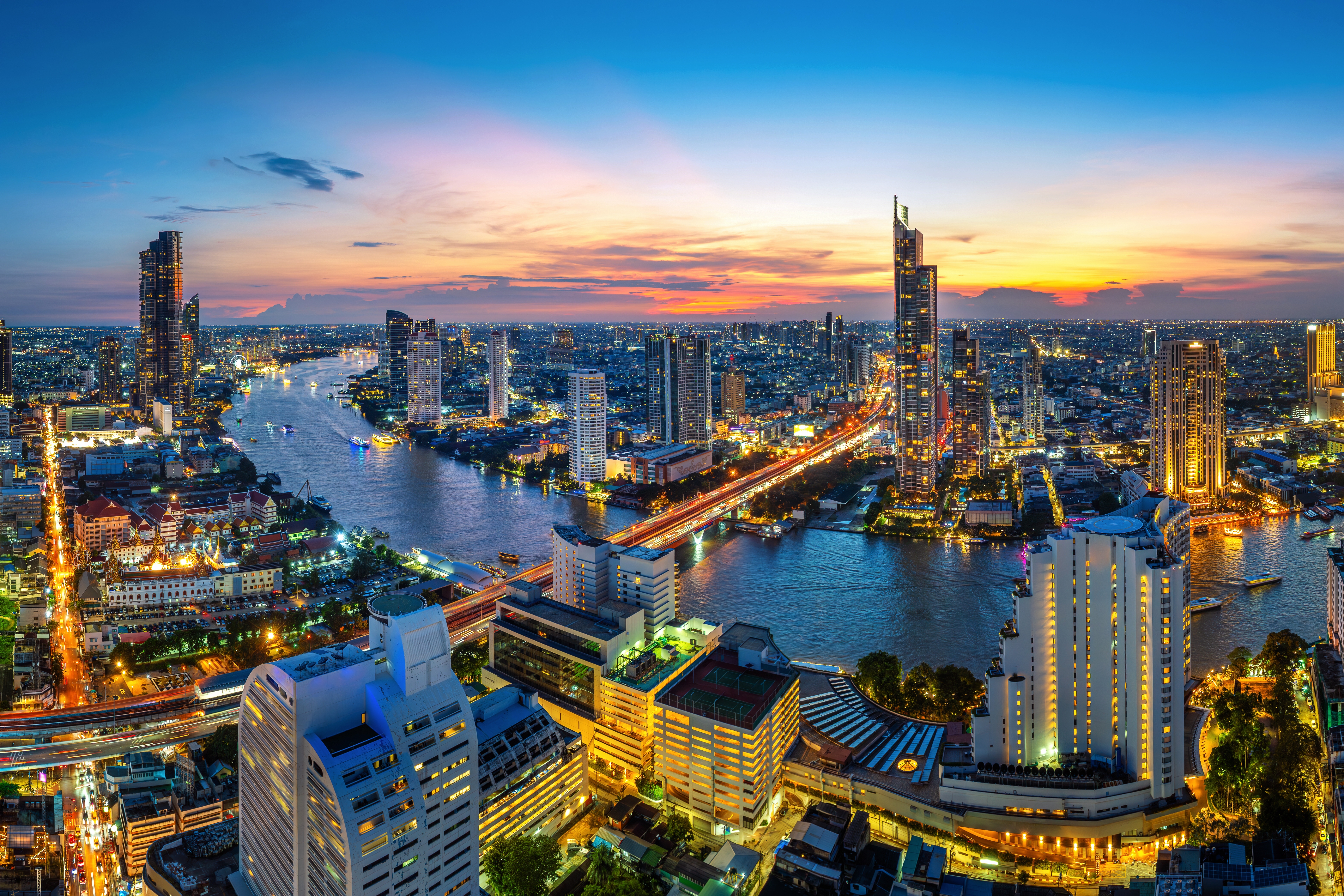 Bangkok, Thailand. Photo: Shutterstock
Not a New Rule
The authority emphasized that the proof-of-funds requirement is not a new measure, but has been part of Thai immigration regulations since 1980. Immigration officers may request financial evidence during entry screening to determine whether a visitor meets the conditions for entry.
Depending on the type of visa or entry scheme, travelers may be asked to present cash in Thai baht, an equivalent amount in another currency, or documents showing they have access to the required funds.
For most travelers, the required amounts are:
-Visa on Arrival: 10,000 baht ($300) per person or 20,000 baht ($600) per family.
-Tourist Visa: 20,000 baht ($300 )per person or 40,000 baht ($1,200) per family.
-Non-Immigrant Visa: 20,000 baht ($600) per person or 40,000 baht ($1,200) per family.
-Transit Visa and certain visa-exempt cases: 10,000 baht ($300) per person or 20,000 baht ($600) per family.
The requirement does not apply to children under the age of 12.
What Else You Need to Know When Visiting Thailand for the First Time
TAT also noted that travelers entering under Thailand's Tourist Visa Exemption Scheme should check the latest guidance for their nationality and point of departure, as official information may vary. Some guidance specifies that visa-exempt visitors should also be prepared to show 20,000 baht ($300) per person or 40,000 baht ($900) per family.
The authority reminded travelers that proof of funds is only one of several conditions that may be checked upon arrival. Visitors should also ensure they have valid travel documents, meet visa or visa exemption requirements, have accommodation details available and, where applicable, hold evidence of onward or return travel.
Officials stressed that the final decision on whether a foreign national is permitted to enter Thailand always rests with Immigration Bureau officers at the port of entry, who assess each case in accordance with Thai immigration laws and regulations.
To avoid delays, TAT recommends that travelers keep any relevant financial documents readily accessible and follow instructions provided by immigration officers during the arrival process.
The Tourism Authority also advises visitors to consult the Thai Immigration Bureau, the Ministry of Foreign Affairs or the Royal Thai Embassy or Consulate responsible for their country before traveling to confirm the latest entry requirements.
As a reminder, Thailand announced last month that it is modernizing its tuk-tuks, with dozens of vehicles in Bangkok now accepting card and QR code payments from travelers.