Millions of tourists visit Europe each year to explore iconic destinations on the continent, and if you plan on counting among them soon, here are some essential tips you should know. While some countries are generally considered safer than others, authorities and travel experts continue to warn visitors about a handful of common scams that frequently target tourists in Rome, Paris, Athens, Barcelona, Bucharest, London, and pretty much all the big cities and capitals you might consider visiting this summer.
Most incidents involve opportunistic theft or street scams rather than violent crime, but knowing what to look for can help travelers avoid unnecessary stress during their holiday.
Pickpockets: Don't Let Them Snatch Your Phone
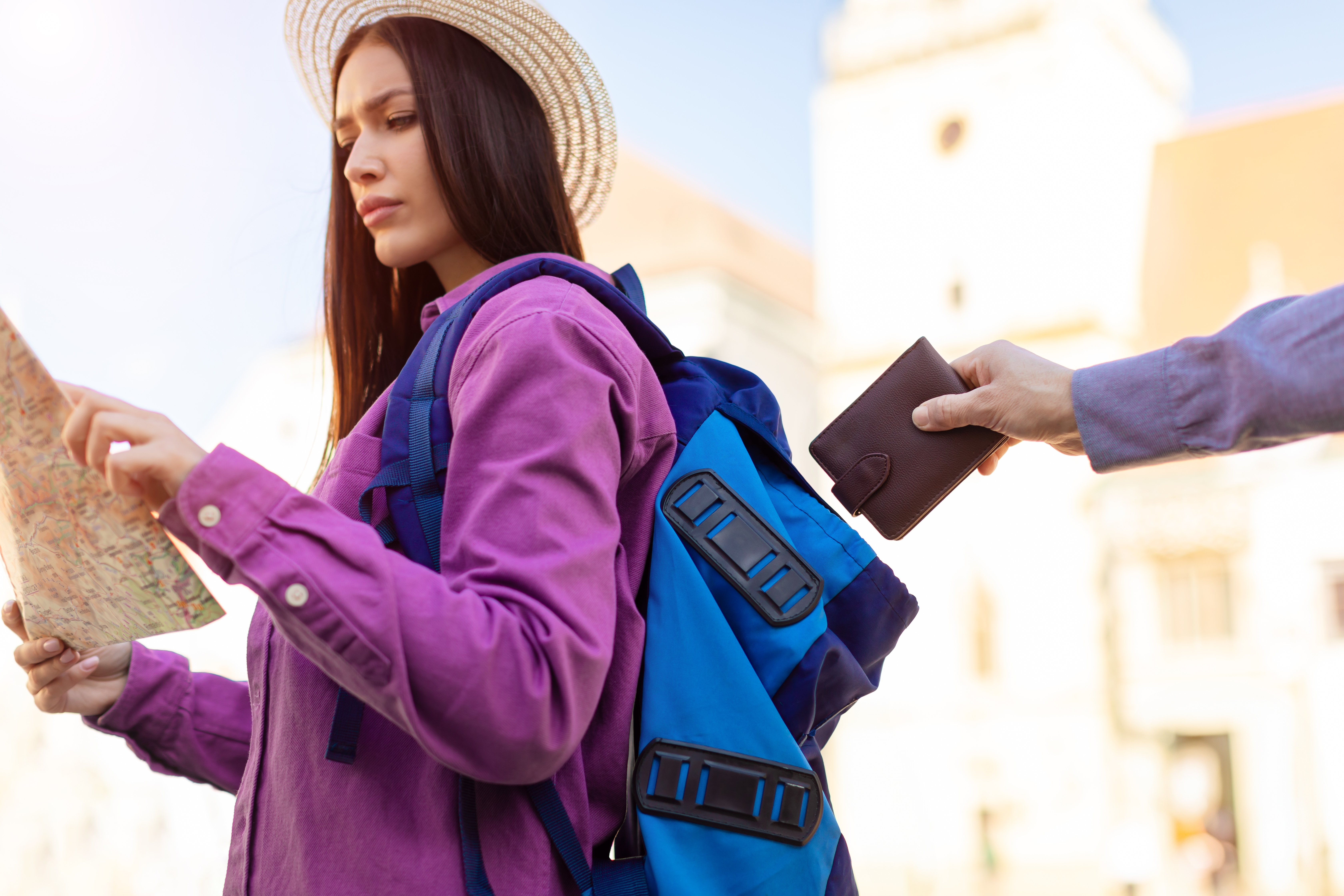
Pickpocketing continues to be one of the most common crimes affecting tourists in European countries, particularly in busy areas such as train stations, public transport, major attractions, and crowded city centers.
Busy metro systems and buses in cities like Rome, Milan, and Madrid are especially popular with thieves, who often work in groups to distract travelers before stealing wallets, phones, or passports.
 How to avoid the biggest tourist scams in Europe. Photo: Shutterstock
To protect yourself, never look at your phone while you are sitting next to a door inside the metro, train, or bus, as pickpockets will try to snatch your device right before the door closes and run away with it.
When in restaurants, never put your phone or bag/purse/wallet on the table while looking at the menu or enjoying your food in an outdoor restaurant.
In crowded places with tourist attractions, do not put your phone in your back pocket or let it loose in your bag. It only takes a fraction of a second for a skilled pickpocket to slide it out in a crowd when no one is paying attention. Hold it tight or keep it in a zipper front pocket.
When stopping for photos or videos, keep your bags fully zipped and carry them in front of your body or have someone hold them for you while posing for photos yourself. Never put your belongings on the floor or behind a seat, no matter how quick you think you will retrieve them.
The Rose and Bracelet Scams
Another frequent tactic involves individuals approaching tourists with what appears to be a friendly gesture.
 How to avoid the biggest tourist scams in Europe. Photo: Shutterstock
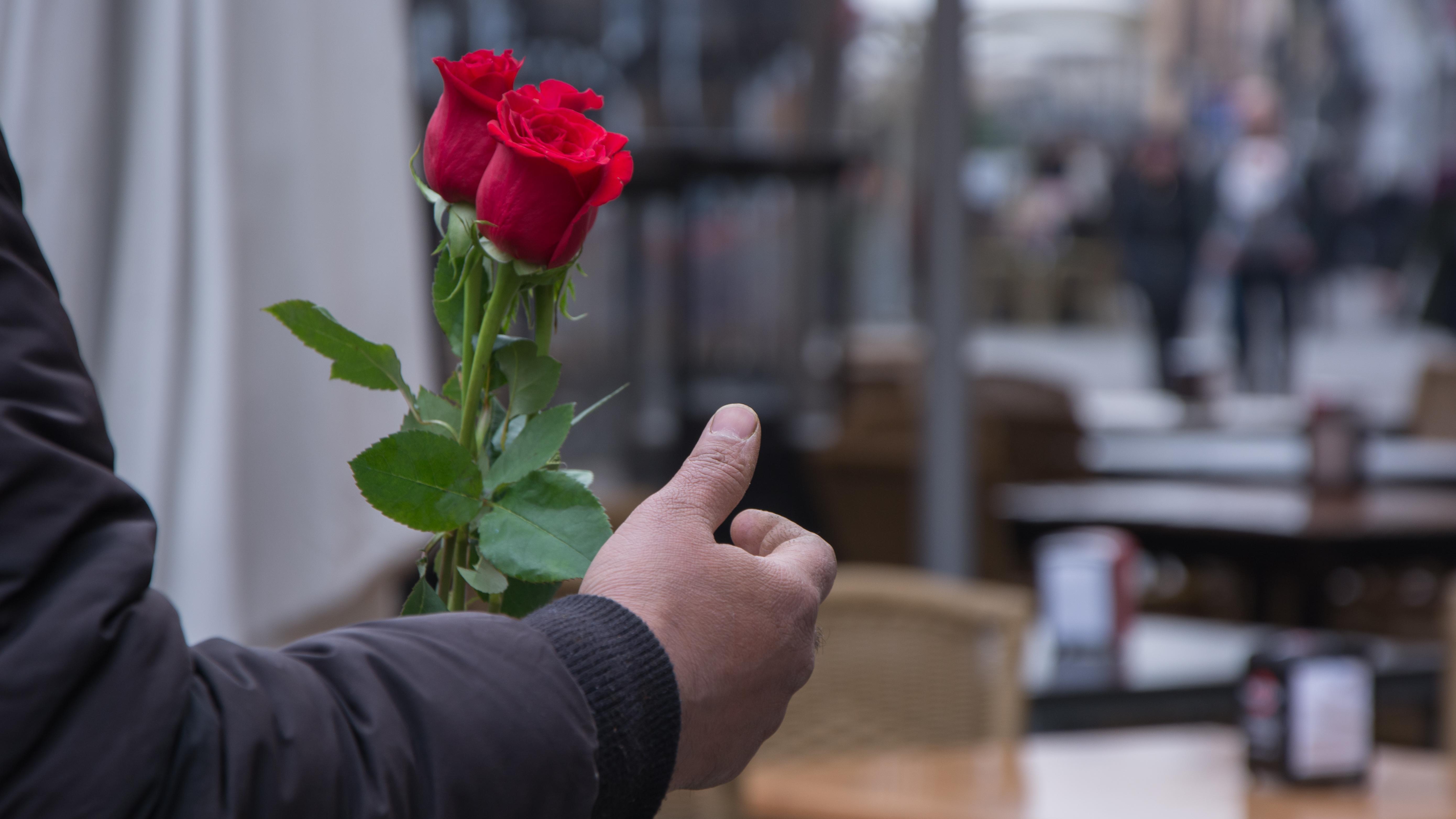
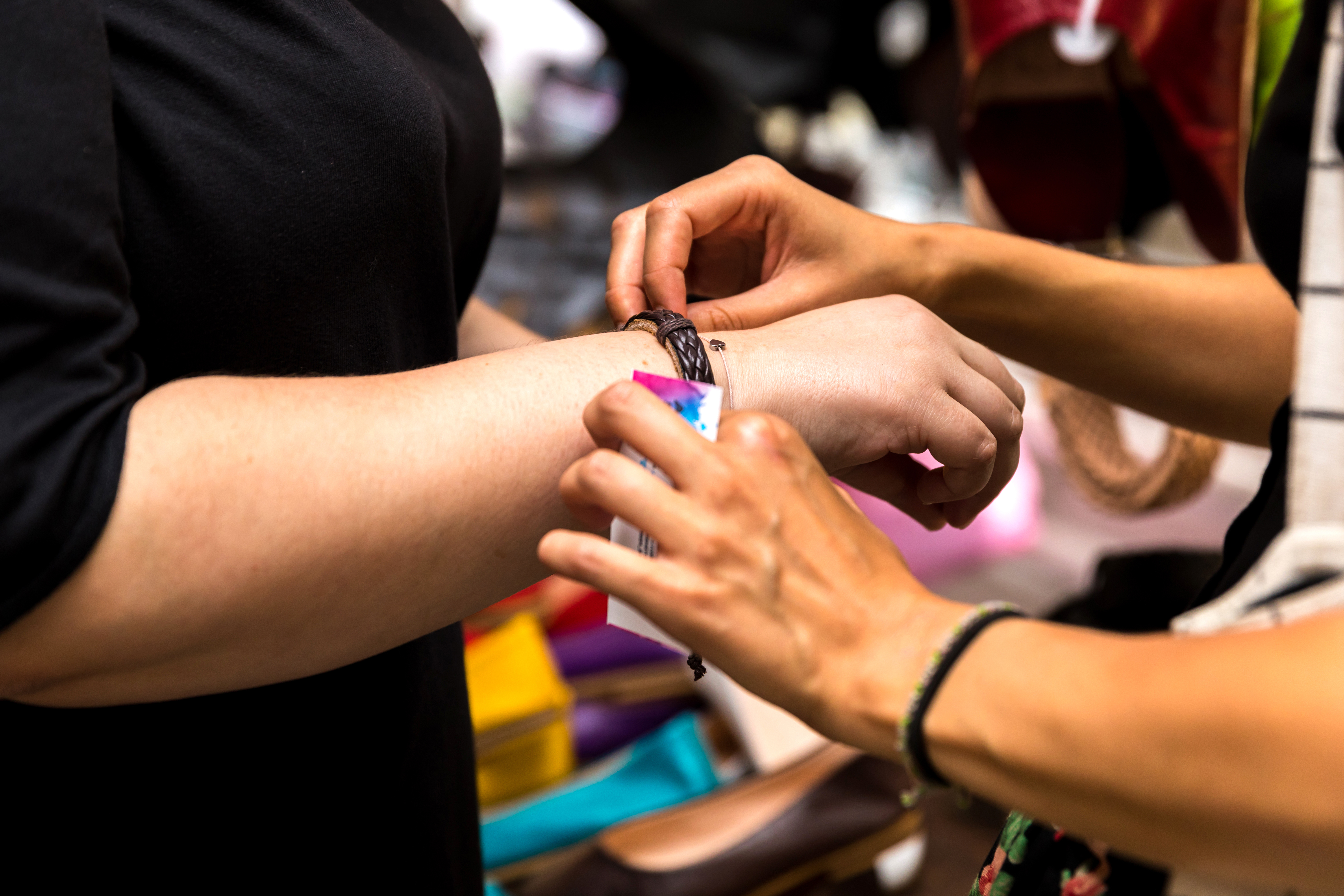
In the so-called rose scam, someone offers a flower as a "gift" before demanding payment. They will make sure to compliment your beauty first, or, if you're accompanied, guilt-trip you into buying your partner a flower as a romantic gesture. Similarly, the bracelet scam involves someone quickly tying a bracelet or string around your wrist, allegedly for free as a friendly gesture, then switching to asking for money for it.
The Artwork Scam
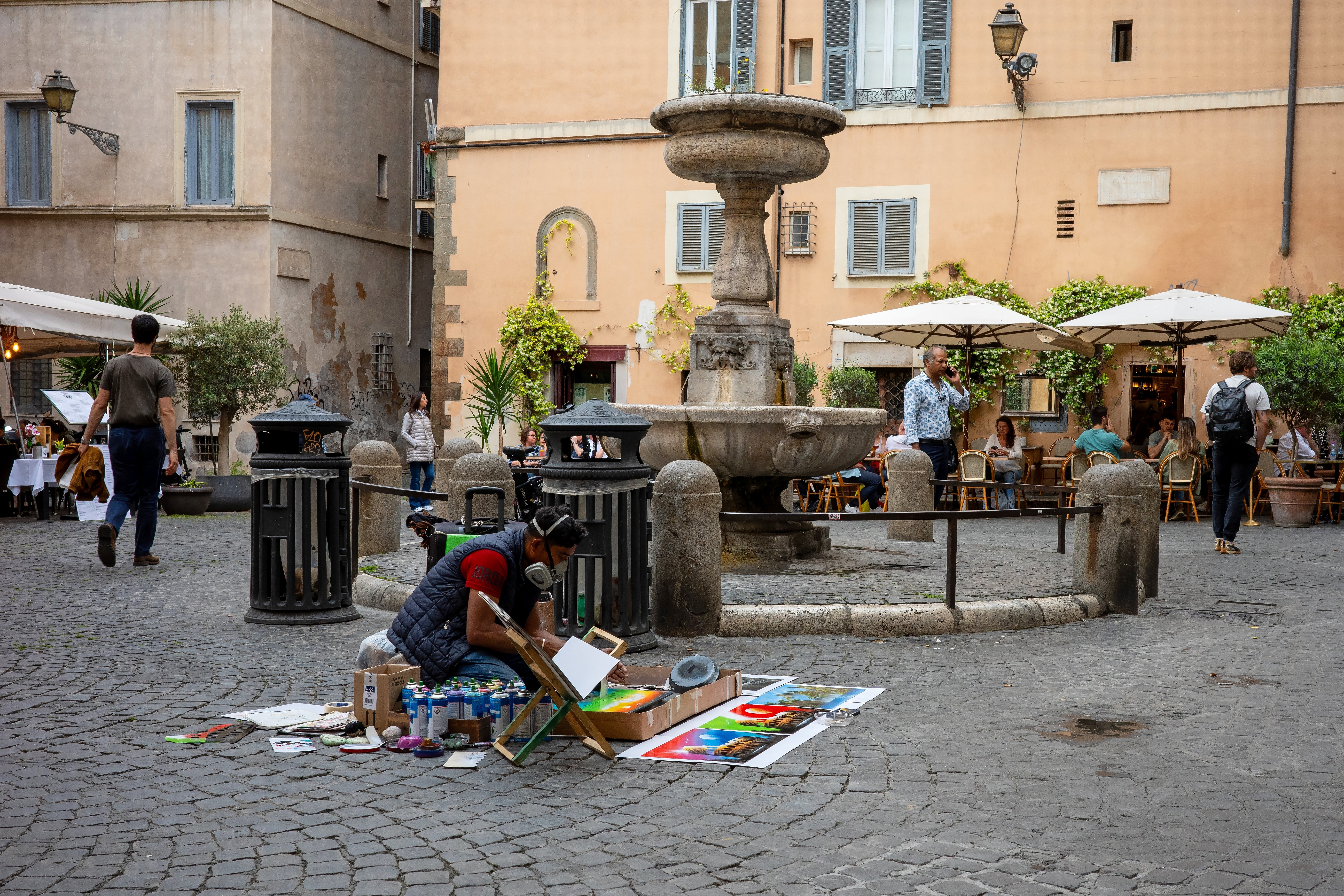
Another highly popular tourist scam right now is the one where street vendors spread paintings, prints, or other artwork on large sheets or blankets in busy tourist areas, often near famous landmarks. While many are simply selling souvenirs legally or semi-legally, some use the display as part of a scam.
 How to avoid the biggest tourist scams in Europe. Photo: Anton Kustsinski / Shutterstock.com
The most common versions include the "you stepped on my art" scam, where the paintings are deliberately placed where pedestrians naturally walk. If you accidentally step on or brush against a painting, the vendor will start demanding payment, claiming you have damaged their work.
- The "distraction scam" is where the artwork is used to draw your attention while an accomplice attempts to pickpocket you or steal your unattended belongings.
-
- The "pressure sale" is a scam in which a vendor will insist you look at the paintings, place one in your hands, and then aggressively pressure you to buy it or pay after you've touched it.
Another variation is the fake petition scam, where someone asks tourists to sign a petition or charity form. While the traveler is distracted, an accomplice may attempt to steal valuables or pressure them into making a donation.
The safest response is to politely decline, avoid engaging in conversation, and continue walking.
The Unlicensed Taxi Scam
When arranging transportation from airports and railway stations, be sure to only look for official taxis.
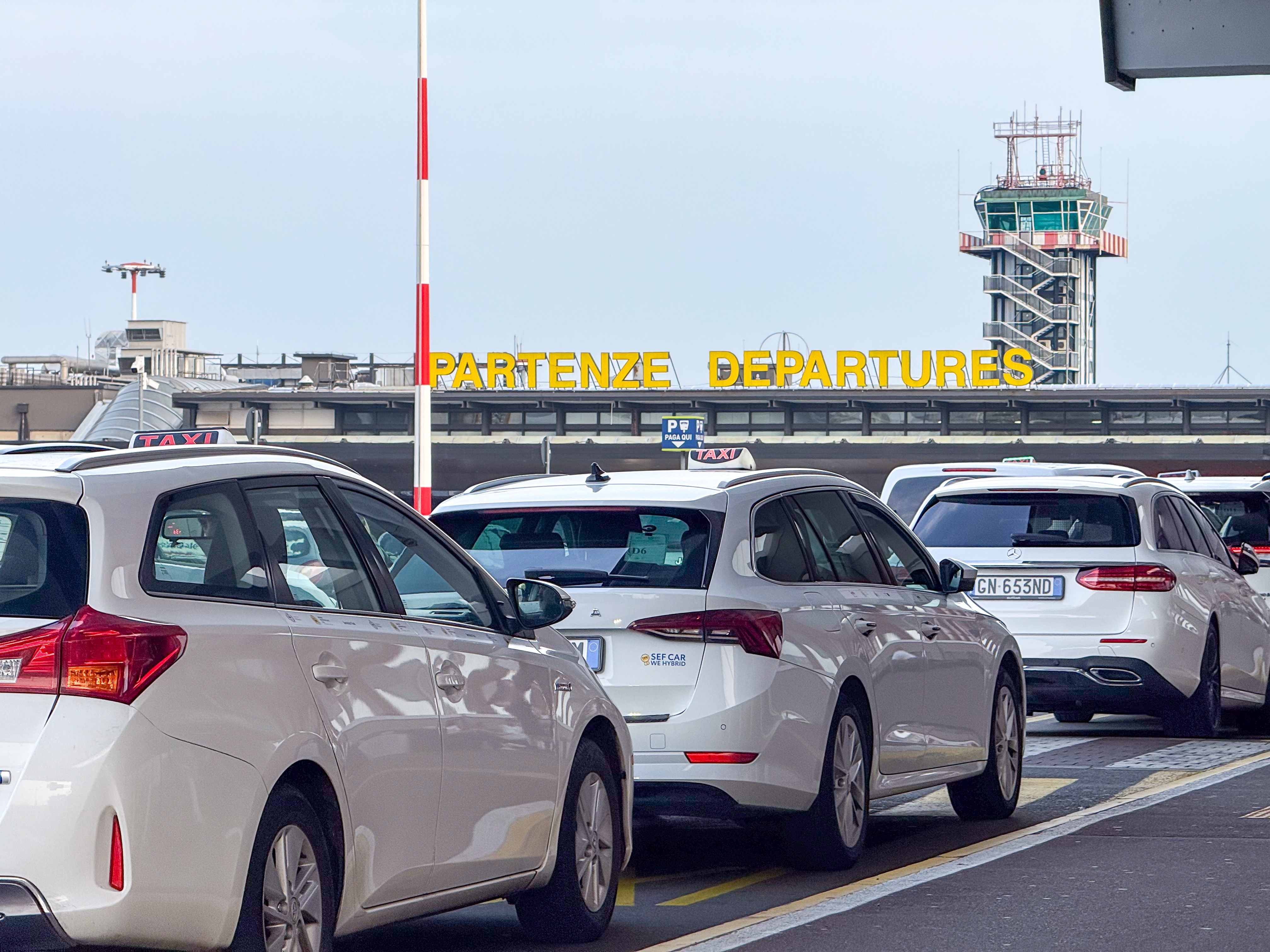 How to avoid the biggest tourist scams in Europe. Photo: Giulio Benzin / Shutterstock.com
At Italy's airports and major railway stations such as Rome Termini or Milan Centrale, unofficial drivers may approach you inside or just outside the terminal, offering a "taxi" without using the official rank. They will then proceed to charge several times the normal fare, and because the service is unlicensed, there is not much you can do about it.
In Spanish cities including Barcelona and Madrid, unauthorized drivers sometimes wait near airport arrivals or tourist hotspots. They may quote a low fare initially before demanding much more upon arrival or claiming extra charges for luggage or traffic.
Around Paris airports and major train stations like Gare du Nord, scammers may approach you inside the terminal claiming to be taxi drivers. Official Paris taxis use designated taxi ranks, while unofficial drivers often charge inflated fixed prices.
Popular Greek destinations such as Athens, Santorini, and Mykonos occasionally see unauthorized drivers offering rides outside ferry ports and airports. You may be quoted one price before departure only to face much higher charges at the end of the trip.
In Budapest, Bucharest, Prague, and Lisbon, unofficial taxis have historically targeted visitors arriving at transport hubs. Travelers are advised to use licensed companies, official taxi ranks, or app-based services to avoid inflated fares.