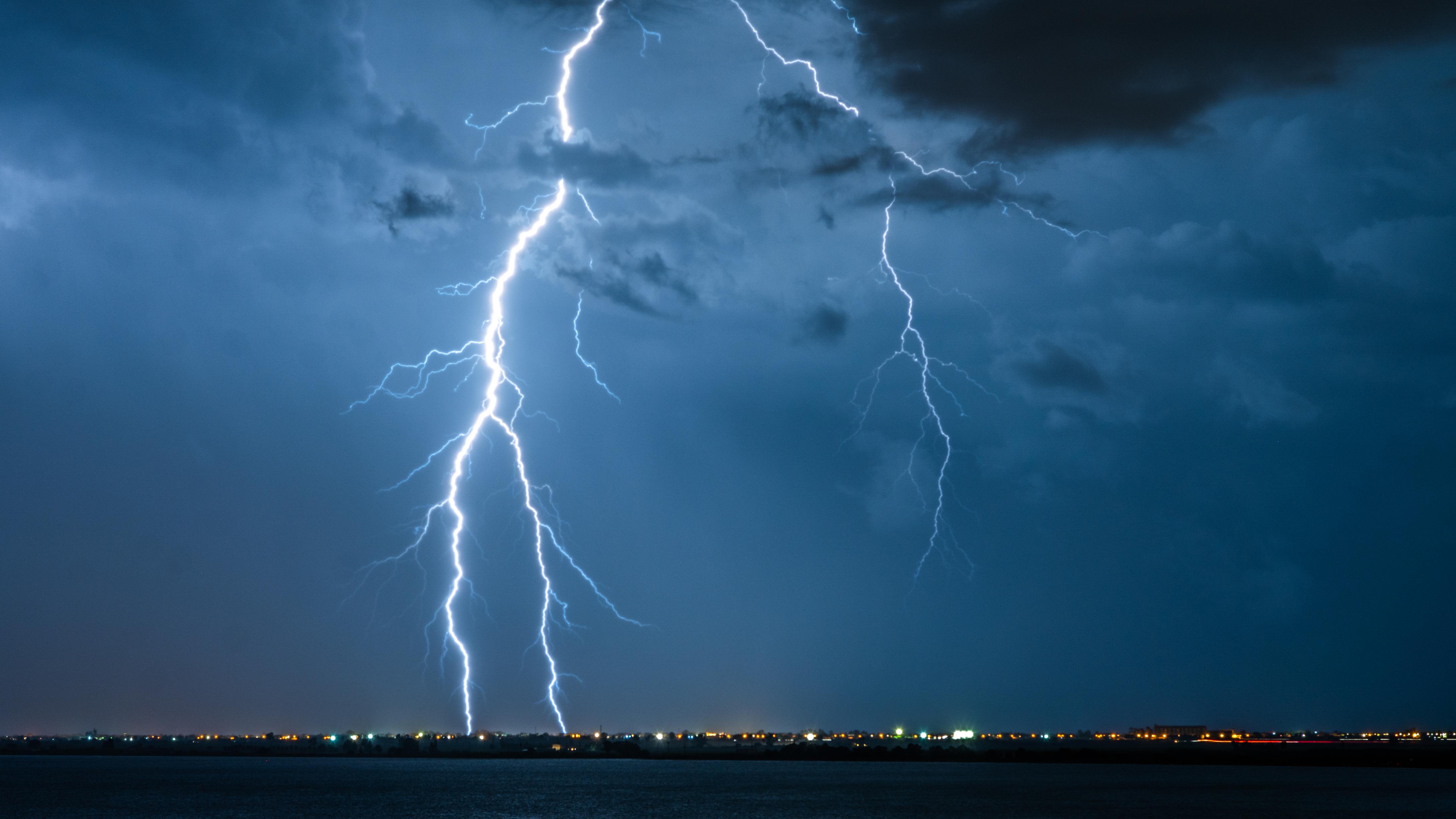
Millions of Americans across multiple regions of the United States could face severe thunderstorms, damaging winds, large hail, and flash flooding through Thursday and into Friday, according to the latest forecasts from the National Weather Service and the Storm Prediction Center.
Affected Areas
The National Weather Service warned that severe thunderstorms capable of producing strong wind gusts and large hail are expected Thursday afternoon (July 9, 2026) and evening across portions of the northern and central Plains, the Lower Missouri Valley, the Lower Ohio Valley, and parts of the Mid-Atlantic. At the same time, heavy rainfall could trigger flash flooding and urban flooding in parts of the Mid-Mississippi Valley, Ohio Valley, and Mid-Atlantic.
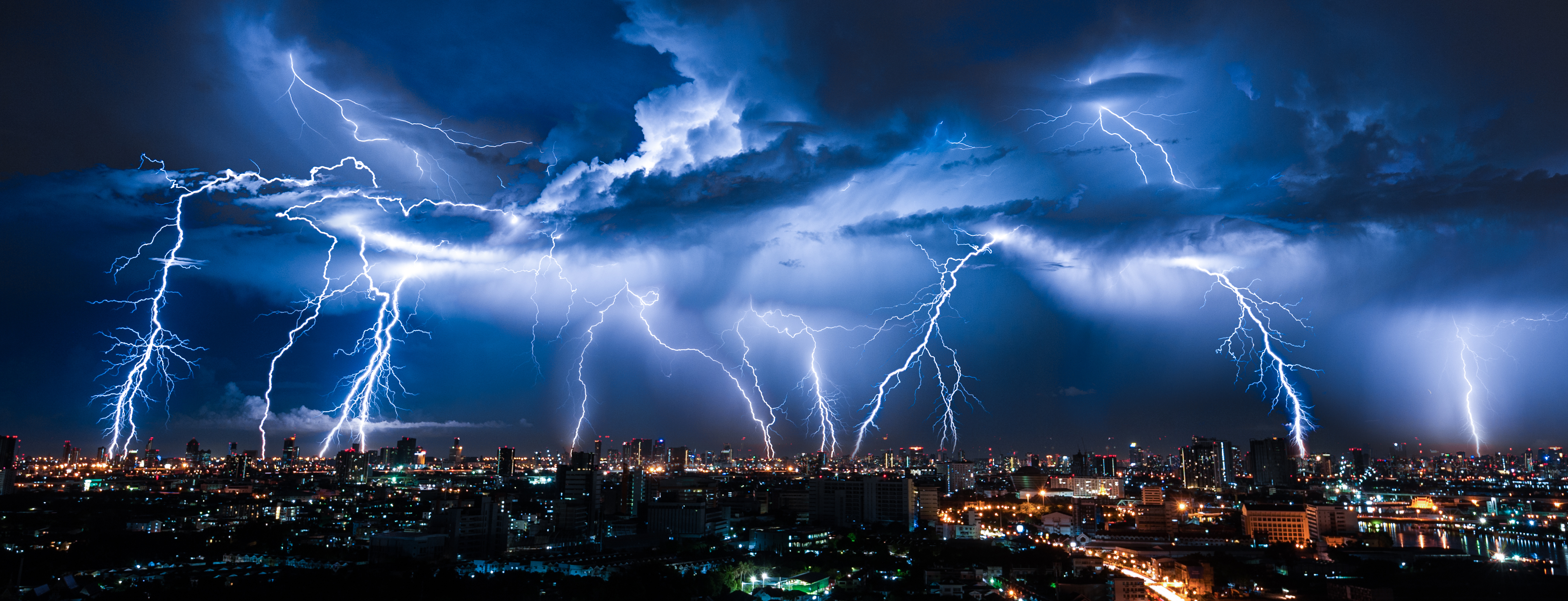 Millions of Americans at risk of severe thunderstorms, large hail, and flash flooding. Photo: Shutterstock
Looking ahead to Friday, the Storm Prediction Center has placed parts of the southern Rockies, adjacent central Great Plains, the Lower Missouri Valley, the Ozark Plateau, and the Tennessee Valley under a Marginal Risk for severe thunderstorms. Forecasters say clusters of storms may develop during the afternoon and evening, bringing the potential for damaging wind gusts and hail.
The latest outlook indicates that the strongest storms are expected to organize along a corridor stretching from the south-central Great Plains toward the Tennessee Valley as favorable atmospheric conditions support thunderstorm development. While the overall threat level remains relatively low, isolated severe storms could still cause localized damage and travel disruptions.
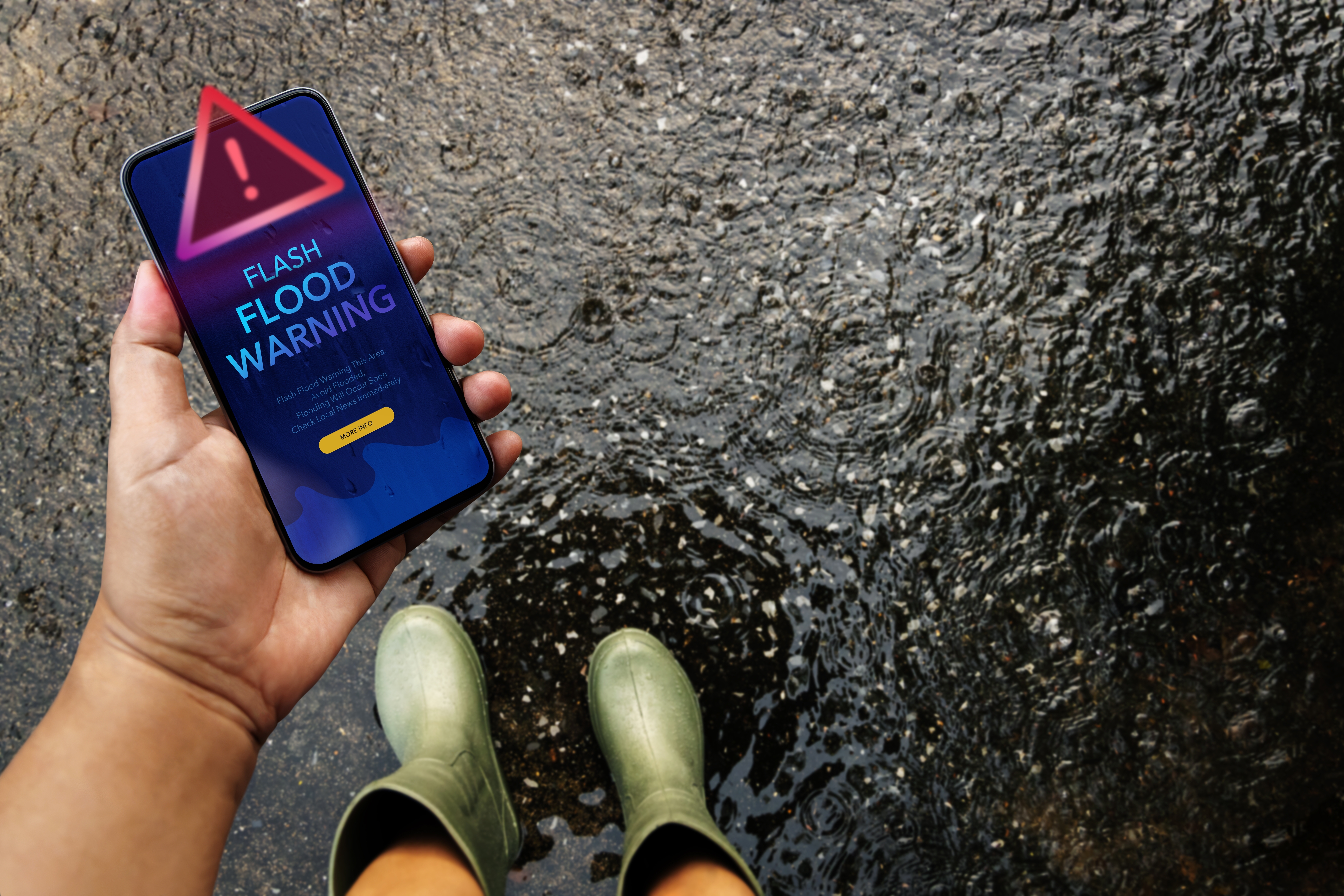 Millions of Americans at risk of severe thunderstorms, large hail, and flash flooding. Photo: Shutterstock
The forecast follows several days of active weather across parts of the Midwest and Plains, where repeated rounds of thunderstorms have already produced damaging winds, hail, and localized flooding. Saturated ground in some areas could increase the risk of flash flooding if heavy rain develops over the same locations.
The National Weather Service advises residents in areas under severe thunderstorm or flash flood alerts to monitor local forecasts, have multiple ways to receive weather warnings, and avoid driving through flooded roadways, as conditions can change rapidly during severe weather events.