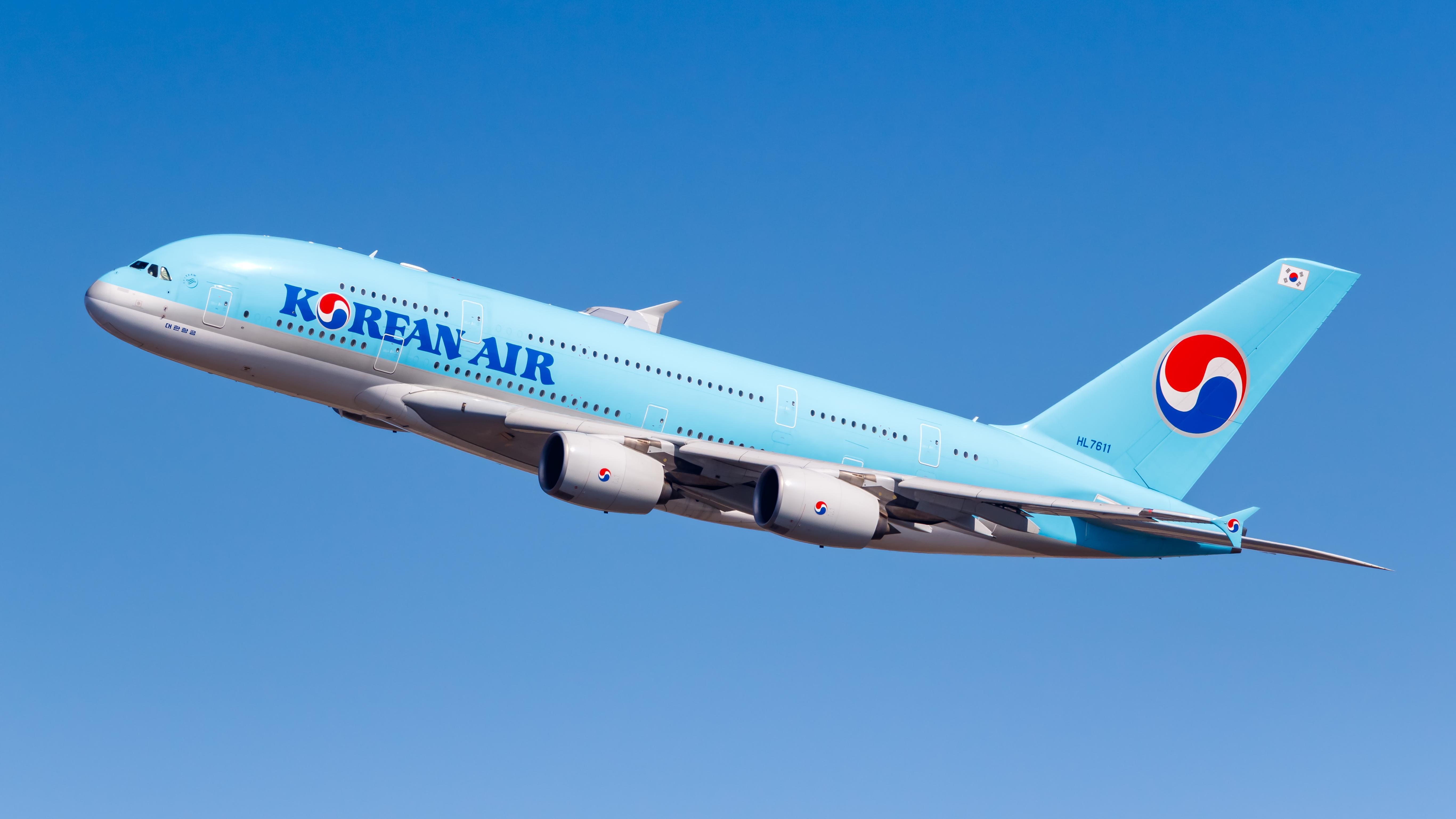
Korean Air posted its highest-ever second-quarter revenue, driven by strong passenger and cargo demand, although higher fuel costs weighed on operating profit.
The airline reported KRW 5.0199 trillion (USD 3.26 billion) in second-quarter revenue, an increase of KRW 1.034 trillion compared with the same period last year. Operating profit, however, fell to KRW 261.8 billion (USD 169.8 million), down KRW 137.1 billion year over year as rising fuel prices increased operating costs.
Despite the quarterly decline, Korean Air's first-half operating profit reached KRW 778.7 billion (USD 505.2 million), up KRW 28.8 billion from a year earlier, reflecting continued growth during the first six months of 2026.
Passenger revenue climbed to KRW 2.8479 trillion (US$1.9 billion), rising by KRW 451.4 billion year over year. The airline said outbound travel demand from South Korea softened slightly due to higher oil prices, but this was offset by stronger inbound tourism and increased transit traffic linked to geopolitical developments in the Middle East. Korean Air also expanded capacity on key international routes to maximize revenue.
Cargo continued to be another major growth driver. Second-quarter cargo revenue surged to KRW 1.5419 trillion (US$1.03 billion), an increase of KRW 486.5 billion from the previous year. The airline attributed the strong performance to rising global investment in artificial intelligence, which boosted demand for semiconductor-related shipments, as well as continued strength in South Korea's K-beauty exports. Korean Air also deployed charter cargo flights and adjusted its network to capture high-yield freight opportunities.
Looking ahead to the third quarter, the carrier expects passenger demand to strengthen during the peak summer travel season, supported by lower fuel surcharges, recovering outbound travel from South Korea, and continued growth in inbound tourism. In cargo, Korean Air plans to focus on high-growth sectors, particularly AI-related industries, while maintaining flexibility to adapt capacity to changing market conditions.