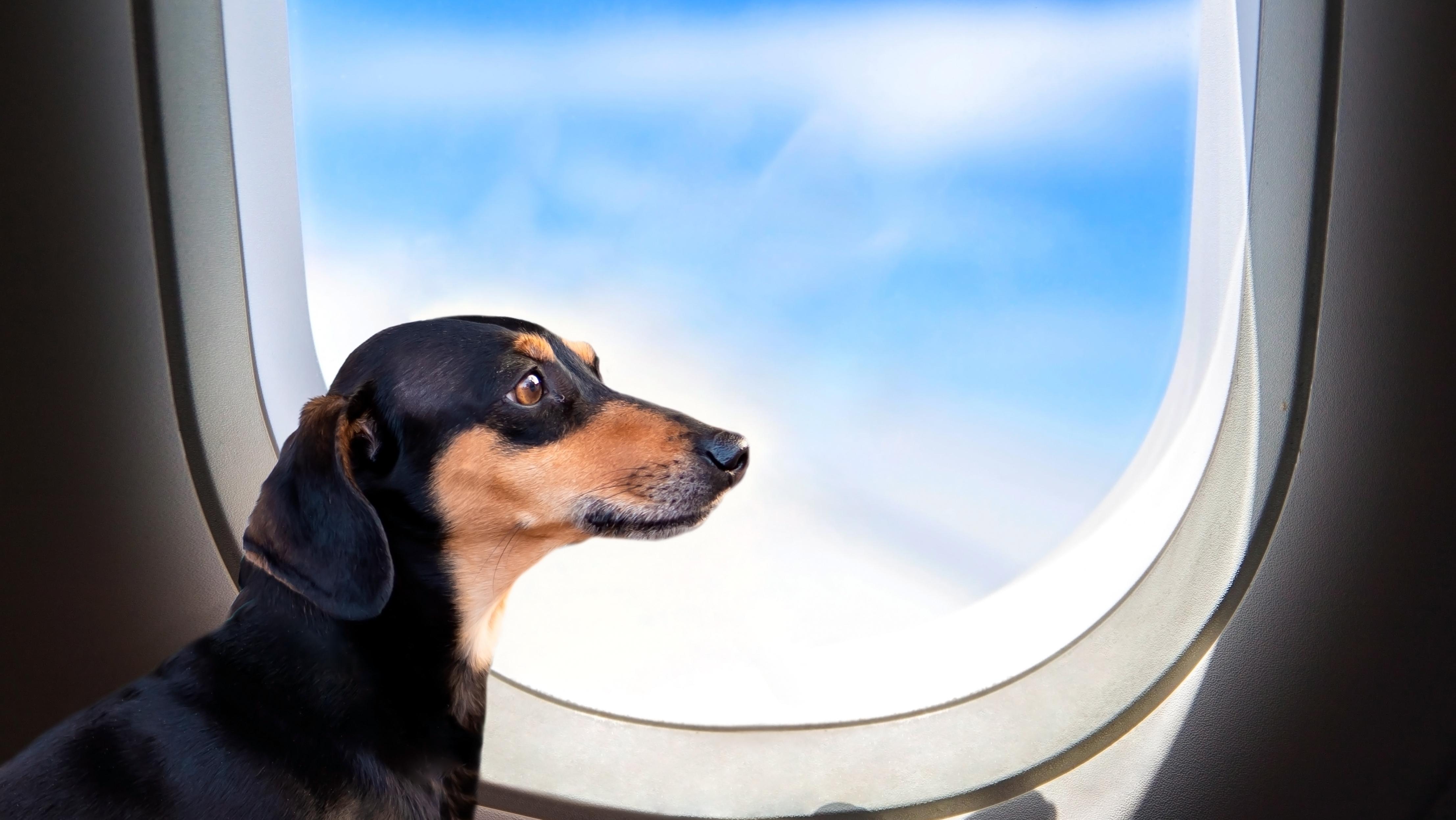
The International Air Transport Association (IATA) has published new operational guidance aimed at helping airlines better manage in-cabin pet travel, addressing growing demand from passengers seeking to fly with their animals.
The guidance covers every stage of the journey, including booking, check-in, boarding, the onboard experience, and arrival. It follows IATA's recently released recommendations for traveling with service dogs and forms part of a broader effort to improve consistency across the airline industry.
According to IATA's 2025 Global Passenger Survey, approximately one in four travelers either have traveled with a pet or would consider doing so in the future. However, many continue to face uncertainty when planning their trip.
The survey found that 41% of respondents were unsure whether their pet was eligible to travel, 36% cited confusion over airline policies, and 34% said they were unclear about the overall process.
“A pet is a much-loved member of the family. People traveling with their pets need clear guidance on what to expect at every step of the journey,” said Brendan Sullivan, IATA's Global Head of Cargo.
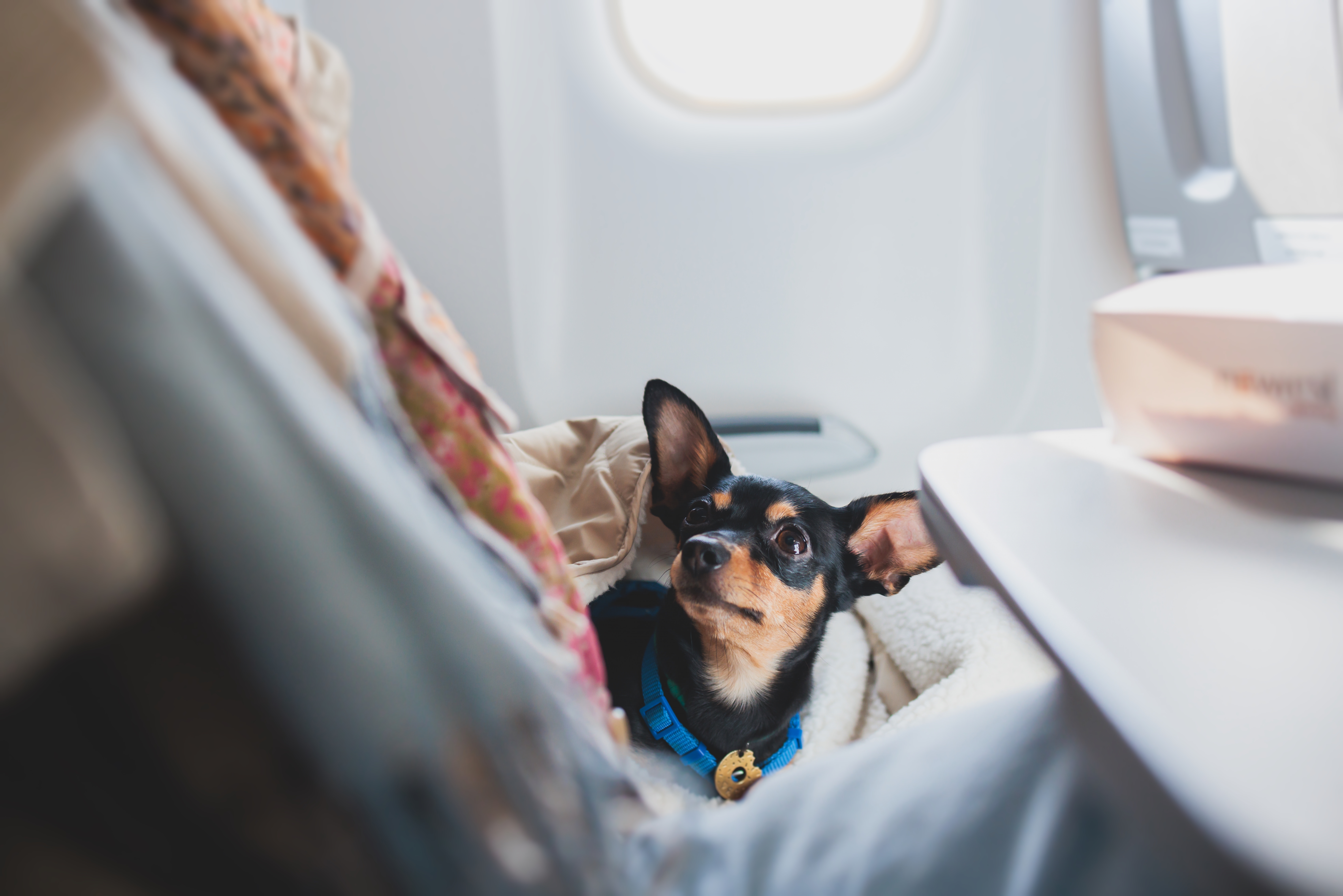 Dog accompanies owner on flight. Photo: Shutterstock
He added that better preparation by passengers and the adoption of industry-wide best practices will help airlines provide a safer and more consistent travel experience for pets and their owners.
The new In-Cabin Operational Guidelines include recommended procedures designed to improve predictability while maintaining safety, animal welfare, and operational efficiency. They are intended to assist airlines in developing clearer policies and standardized practices as the number of travelers flying with pets continues to grow.
While the guidance is not mandatory, IATA hopes it will encourage greater consistency across carriers worldwide and reduce confusion for passengers traveling with their four-legged companions.
Earlier in the month, we reported that Hong Kong launched a dog-friendly dining program, allowing dogs into 1,000 licensed restaurants.