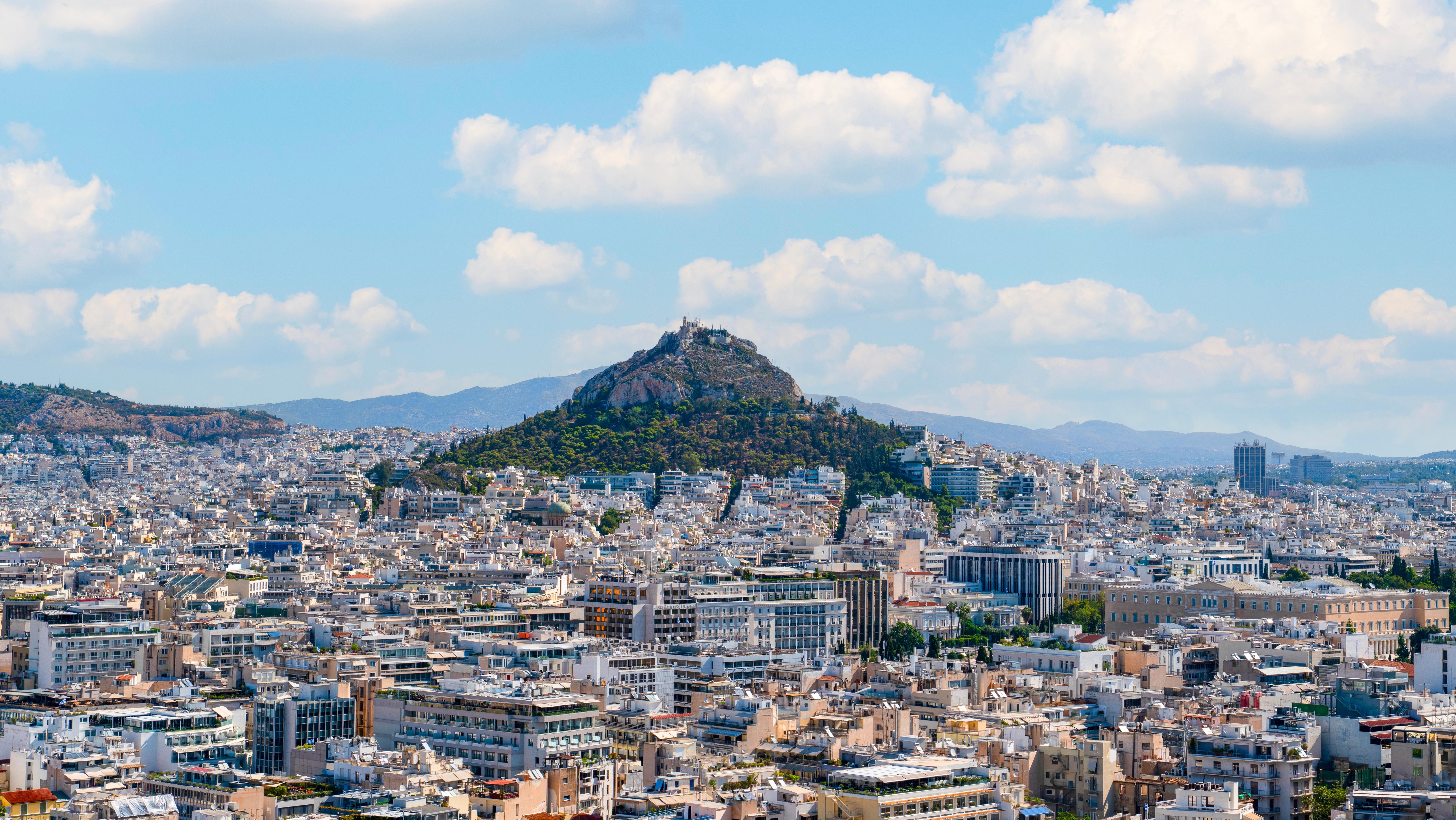
The Greek economy continues to demonstrate resilience in 2026, but the cloud hanging over the global economy is starting to show its signs, according to the new quarterly report by the Greek Institute of Economic and Industrial Research (IOBE), published yesterday (July 16, 2026) in Athens.
According to the updated forecast, Greece's gross domestic product (GDP) is expected to grow by 1.8% in 2026 and 2.0% in 2027. The main growth drivers are expected to be private consumption, investment, and the continued inflow of foreign capital, while fixed investment is expected to continue to grow at a high rate.
The Risks: War, Energy Prices and Inflation
However, the report points to a number of significant risks. Chief among them are the continued fighting in the Middle East and its implications for energy prices, inflation and global trade. The institute warns that a prolonged increase in energy prices could harm the competitiveness of the Greek economy and slow down the rate of growth.
Inflation in Greece is expected to reach 3.7% this year, significantly higher than in 2025, mainly due to rising energy prices and their impact on food, transportation, housing and services prices. According to the forecast, inflation is expected to moderate to around 2.7% only in 2027, subject to continued stability in the region.
The labor market also continues to improve, albeit at a more moderate pace. The unemployment rate is expected to fall to 8.7% this year and 8.2% in 2027, after a sharp decline in the number of unemployed in recent years.
At the same time, the report notes a number of bright spots for the Greek economy, including continued growth in services exports, a recovery in the tourism sector, and an expansion of the tourist season beyond the traditional summer months. The country's fiscal situation also continues to improve, with Greece no longer classified by the European Commission as suffering from macroeconomic imbalances - for the first time since the outbreak of the debt crisis.
Alongside the cautious optimism, IOBE emphasizes that continued growth is not guaranteed. According to them, maintaining economic reforms, strengthening productivity, and avoiding political instability ahead of the local elections will be crucial factors in determining the direction of the Greek economy in the coming years.