After recently launching an interesting global campaign to help identify the 7 Contemporary Wonders of the World, the World Travel & Tourism Council (WTTC) is urging destinations worldwide to rethink how they measure tourism success, arguing that resident satisfaction should become just as important as visitor numbers.
In a new policy brief titled Destination Stewardship: Creating Value for All, the organization outlined seven principles designed to help governments, tourism boards, and businesses manage growing visitor numbers while ensuring local communities benefit from the industry's expansion.
The recommendations come as international travel continues to surge. According to WTTC, the Travel & Tourism sector contributed $11.6 trillion to the global economy in 2025 and supported 366 million jobs worldwide, accounting for roughly one in every 10 jobs globally.
Delivering Lasting Prosperity
WTTC President and CEO Gloria Guevara said the conversation around tourism needs to evolve.
"When destinations are managed well, Travel & Tourism creates jobs, strengthens communities, protects cultural and natural heritage, and delivers lasting prosperity," Guevara said.
Rather than focusing solely on arrival statistics, WTTC argues that destinations should prioritize long-term resilience, resident wellbeing, and the broader value tourism creates.
The report's seven principles are:
-Plan together, grow together
-Make resident satisfaction the measure of success
-Plan ahead
-Understand the issue
-More places, more seasons, more value
-Turn tourism into shared prosperity
-Be ready to respond
Successful Cities in the Spotlight
The organization also highlighted several destinations that have successfully implemented elements of destination stewardship.
 Madrid Plaza Mayor. Photo: Shutterstock
Madrid has embraced a "value over volume" strategy through decentralization and year-round tourism initiatives, while Colorado has focused on collaboration between residents, government, and industry stakeholders. Bogotá has invested heavily in tourism data and planning, and Dubrovnik has improved cruise management to reduce congestion without limiting visitor numbers.
 New York City. Photo: Uri Avrotsky
Meanwhile, New York City has expanded tourism offerings beyond traditional hotspots, and the Balearic Islands have used tourism revenues to fund visible community improvements, helping strengthen public support for the sector.
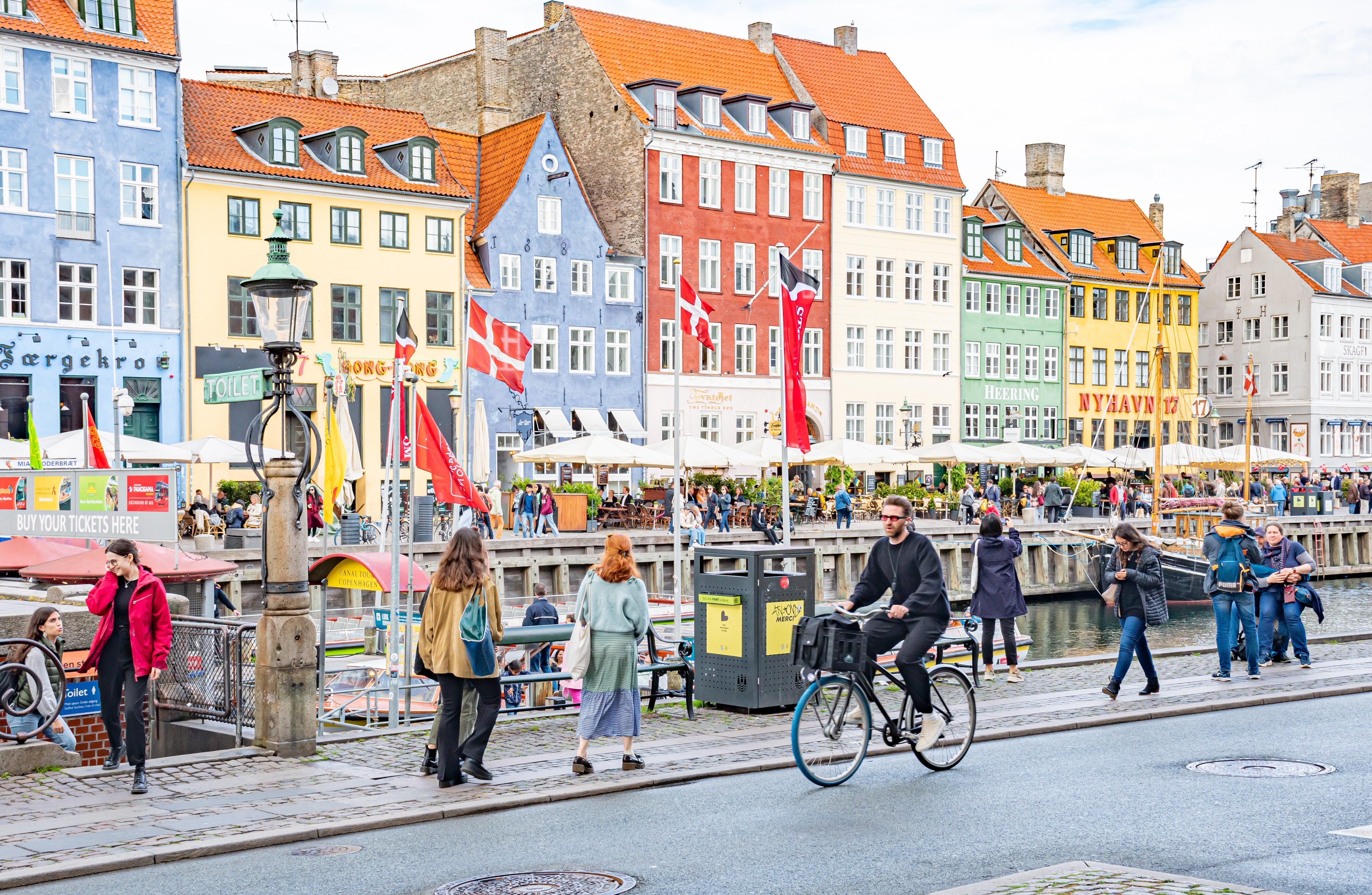 Copenhagen, Denmark. Photo: Shutterstock
WTTC's report also points to examples from Copenhagen, Japan, Ljubljana, and South Korea as evidence that sustainable tourism strategies can be adapted across different regions and tourism models.
Practical Measures
In addition to long-term recommendations, the policy brief includes practical measures destinations can implement immediately during peak travel periods. These include monitoring resident sentiment, identifying tourism pressure points through data analysis, promoting lesser-known attractions, encouraging responsible visitor behavior, and creating coordinated response teams.
With tourism expected to generate one in every three new jobs globally over the next decade, WTTC says proactive planning is becoming increasingly important.
The organization believes the future of tourism will not be determined by how many people visit a destination, but by how effectively destinations balance growth with quality of life for the people who call those places home.