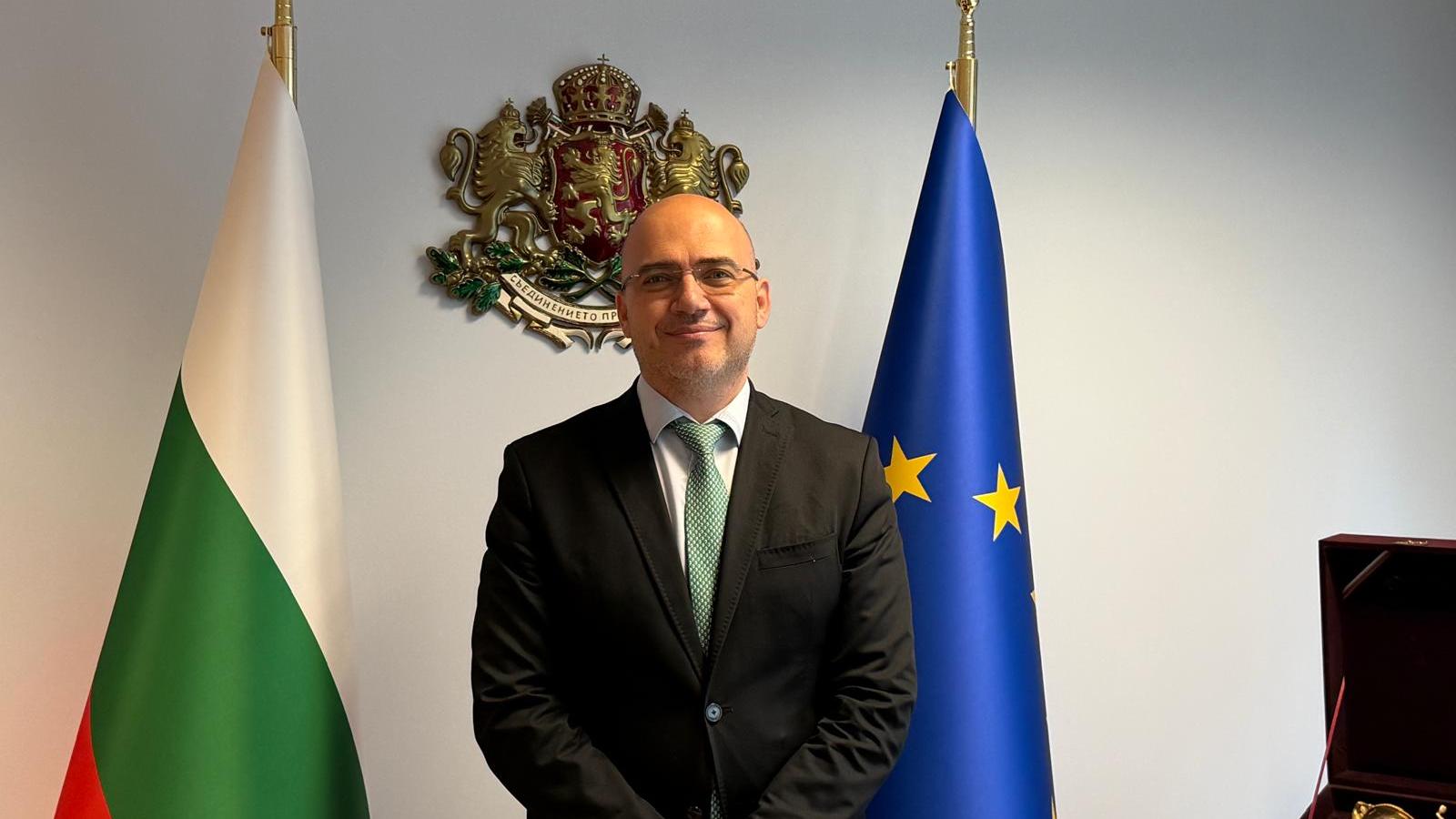
Bulgaria is stepping up efforts to strengthen its international air connectivity as part of a broader strategy to accelerate tourism growth in 2027.
The Ministry of Tourism has initiated an active dialogue with the Ministry of Transport and Communications, Black Sea municipalities, cities with international airports and leading airport operators, with the aim of improving access to the country and increasing inbound tourism.
Tourism Minister Dr. Ilin Dimitrov said improved connectivity would be one of the key priorities for the tourism sector over the coming year.
“Tourism and transport go hand in hand,” Dimitrov said, adding that improved accessibility would be essential to increasing tourist flows to Bulgaria.
New Fund to Attract Airlines and Support New Routes
One of the main measures discussed is the creation of a central connectivity and advertising fund.
The proposed mechanism would allow the government and municipalities to jointly support marketing initiatives designed to attract airlines, encourage the launch of new air routes and promote Bulgaria in key international markets.
The initiative signals a more coordinated approach to aviation and tourism development, bringing together national authorities, municipalities and airport operators around a common strategy for expanding international access to Bulgarian destinations.
Transport and Communications Minister Georgi Peev also committed to supporting an airport traffic incentive program that could include discounts and financial incentives for airlines.
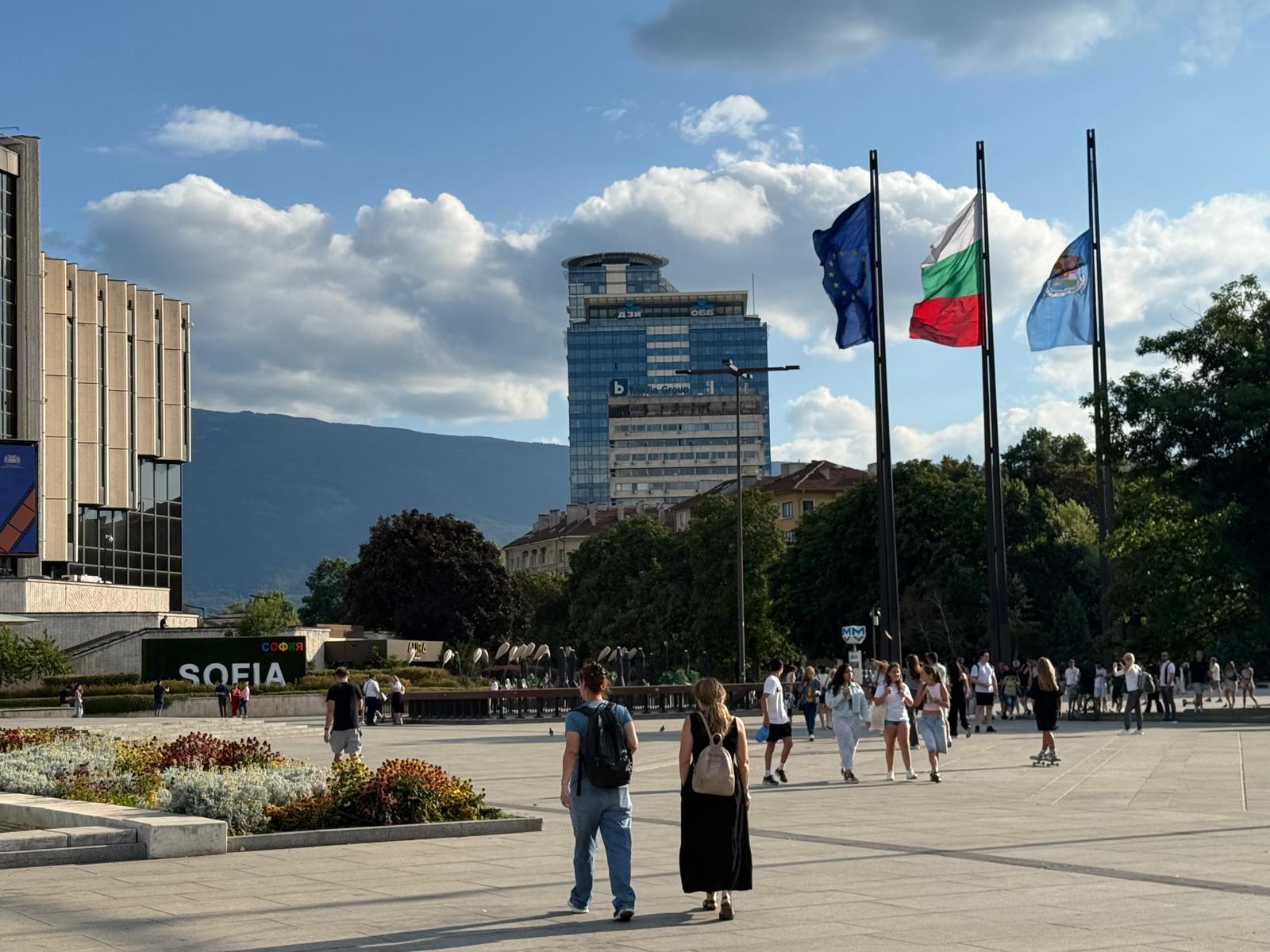 Sofia. Photo: PassportNews
Tourism Tax Revenues Could Support Destination Marketing
Officials also discussed ways to make more effective use of revenues generated through tourism taxes.
Under the proposals, a greater share of these funds could be directed toward destination marketing and initiatives aimed at improving transport connectivity to tourism regions.
The government is also preparing amendments to Bulgaria’s Unified Tourism Information System, known as ESTI, with the aim of improving accountability across the tourism sector and implementing European requirements related to short-term accommodation.
Focus on Strategic International Markets
Bulgaria is also preparing a major effort to rebuild and expand its presence in important international tourism markets.
Dimitrov highlighted plans to strengthen the German market through increased air connectivity and more intensive promotion. The strategy includes cooperation with tour operators, hotels, airports and influencers.
The Ministry of Tourism is also expanding its activity in Poland, the Czech Republic, the United Kingdom, Romania and Israel as part of its broader international marketing strategy.
The approach reflects Bulgaria’s intention to combine aviation development with stronger destination promotion rather than treating the two areas separately.
Airports and Municipalities Brought Into the Strategy
The discussions involved representatives from Sofia, Plovdiv and municipalities along the Black Sea coast, as well as executives from major airport operators including SOF Connect, Fraport Twin Star Airport Management and Plovdiv Airport.
The involvement of regional authorities is significant, particularly for destinations dependent on seasonal international traffic and direct air links.
By creating closer coordination between municipalities, airports and national authorities, Bulgaria hopes to improve the competitiveness of its tourism regions and make it easier to develop sustainable year-round air connectivity.
Progress to Be Reviewed Every Six Months
The tourism and transport ministers agreed to hold similar meetings with municipalities and airport operators every six months.
The meetings will be used to assess results, monitor progress in tourism and regional development and determine the next stages of joint action.
The strategy places air access firmly at the center of Bulgaria’s tourism ambitions for the coming year: attracting additional airline capacity, developing new routes, strengthening international marketing and coordinating public and private-sector efforts to make the country more accessible to travelers worldwide.