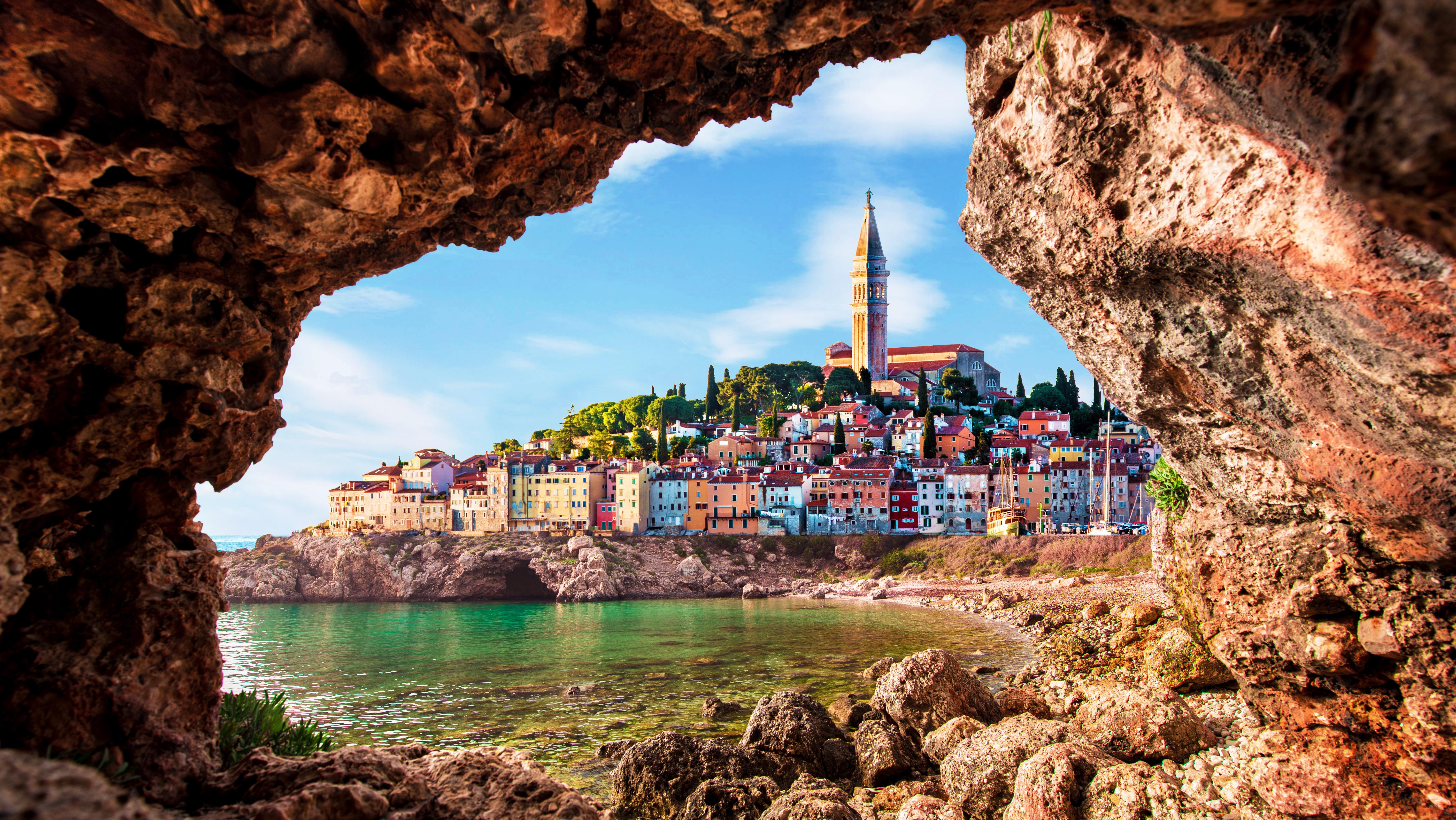
It's as beautiful as Switzerland, Croatia, and Italy combined, costs far less, and is incredibly easy to explore. Plus, it's just a quick 45-minute bus ride from Italy's Trieste. Need I say more? I'm, of course, talking about Slovenia, one of those countries you probably don't know much about that you are going to fall deeply for.
In just seven days, you can explore its lively capital, turquoise Alpine lakes, dramatic mountain passes, emerald rivers all your friends will say are AI, rolling vineyards, and the beautiful Adriatic coast. Let's get started.
Day 1: Charming Ljubljana
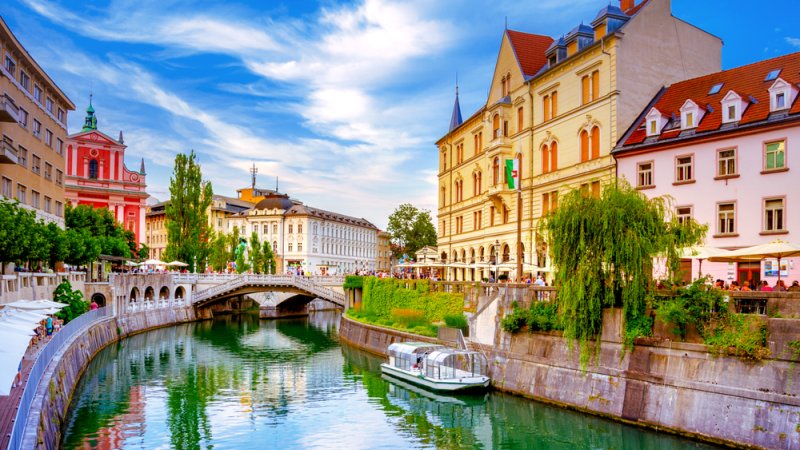 Ljubljana. Photo: Shutterstock
Start your journey in Ljubljana, Slovenia's charming capital that also hosts the airport where you will land. The city is very walkable, and the Ljubljanica River that runs through its center plus the cafés, restaurants and historic buildings lining its banks will mesmerize you.
One of my favorite ways of getting familiar with a new city is a walking tour, and Ljubljana has the best kind: a free one.
I also recommend Ljubljana Castle for cool views over the city, wandering around the old town, or hitting one of the numerous malls packed with famous brands.
Day 2: Lake Bled and Lake Bohinj
Get ready for a drastic change of scenery. After a short 55 km drive, you will reach Lake Bled, which looks exactly like the photographs in real life (especially if it's sunny), with its island church, surrounding mountains and medieval castle perched above the water.
Continue towards Vintgar Gorge (4 km) and take in its beauty. Entry costs around €15.
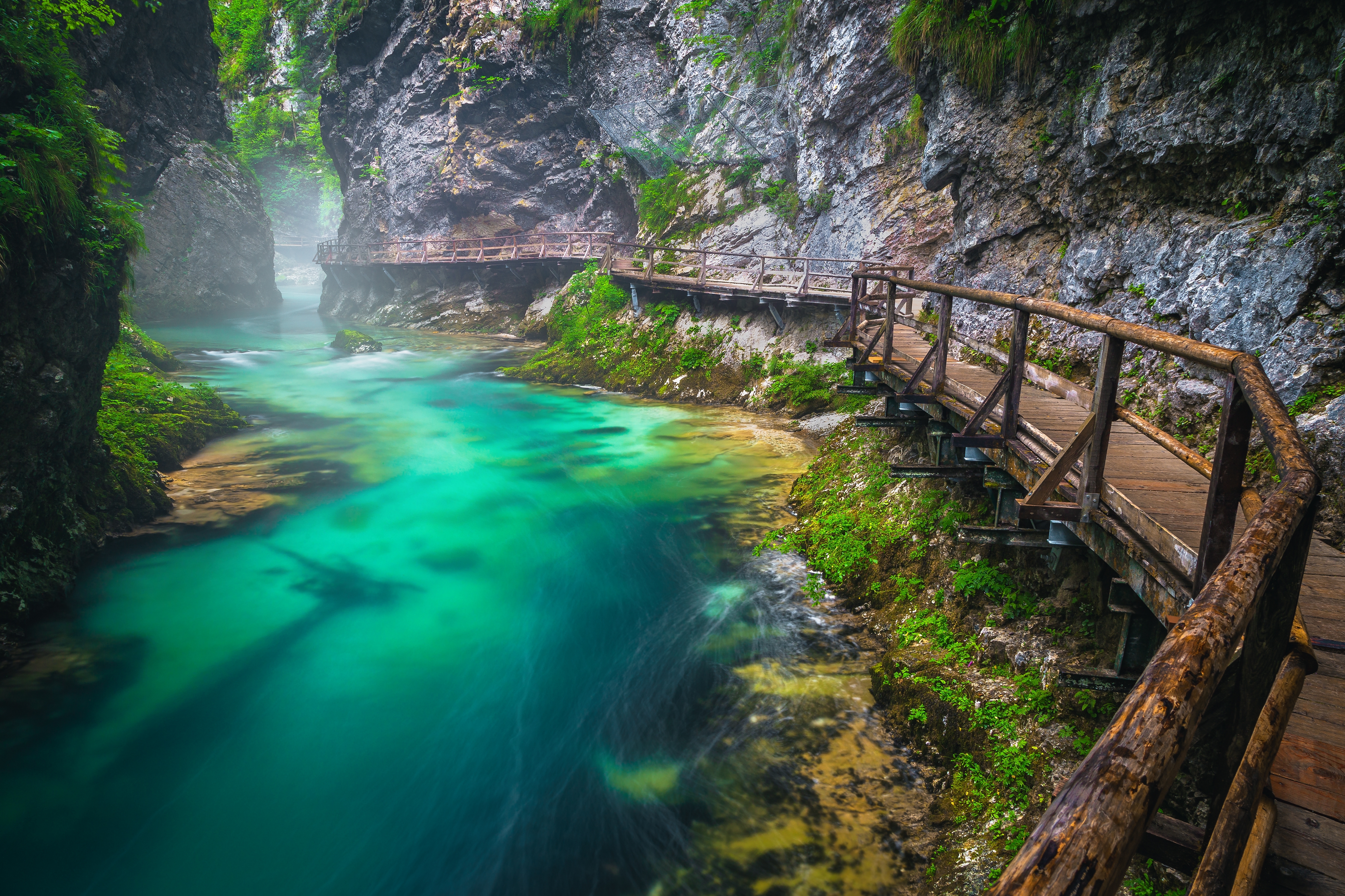 Vintgar Gorge. Photo: Shutterstock
From there, continue towards Lake Bohinj and Triglav National Park (32 km from the gorge).
Bohinj has a completely different atmosphere from Bled. It feels quieter, wilder and more connected to the surrounding mountains. If you're considering camping, this is where I would slow down for the evening.
 Bohinj Lake. Photo: Shutterstock
Day 3: Lake Jasna and the Soča Valley
Start around Lake Bohinj before heading towards Lake Jasna (70 km from Lake Bohinj) and then into the Soča Valley (100 km from Lake Jasna) via the spectacular Vršič Pass.
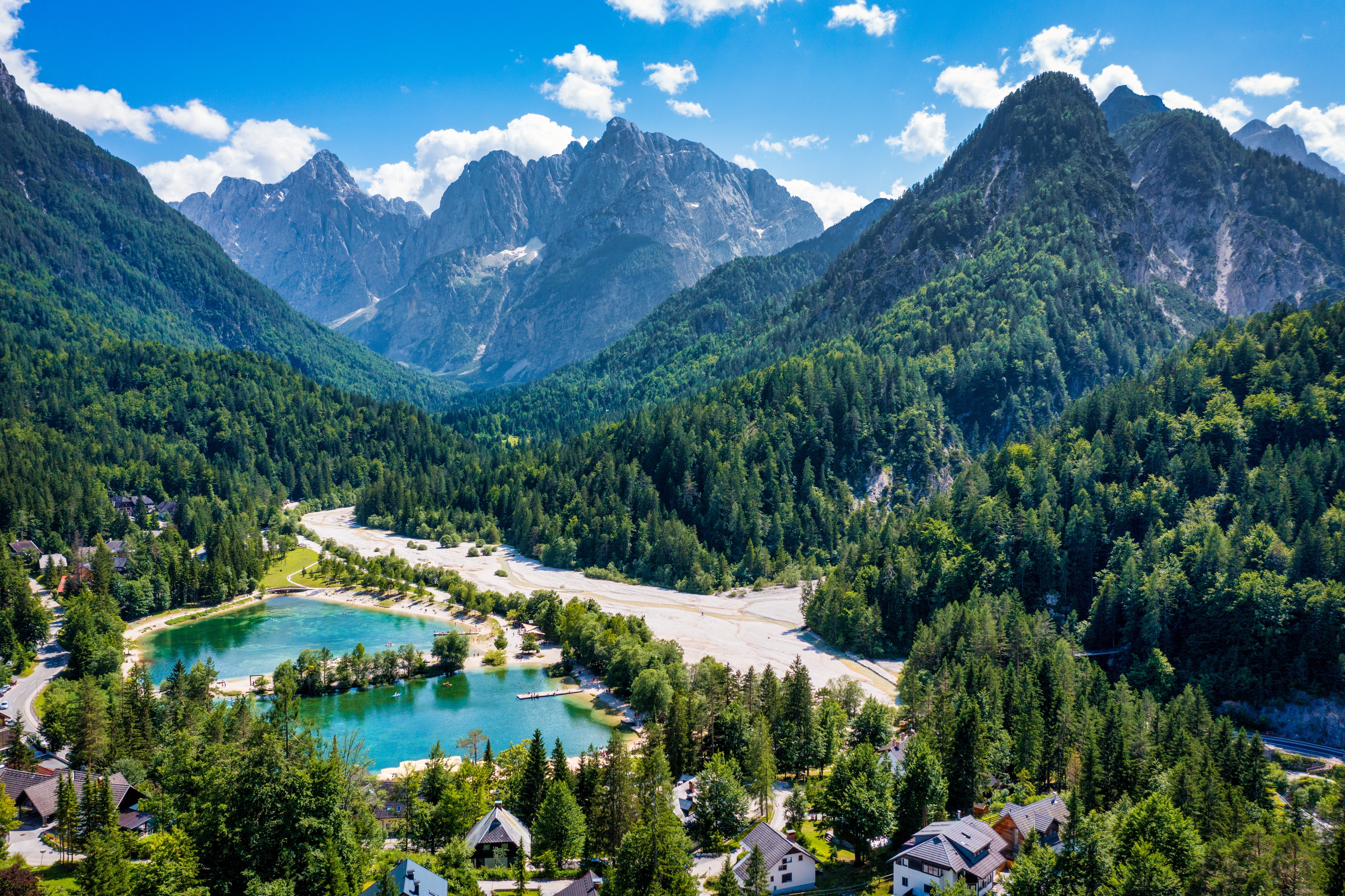 Lake Jasna. Photo: Shutterstock
Expect mountain roads, hairpin turns and some unforgettable views. The Soča Valley will be one of the biggest surprises for you, guaranteed. The river is an extraordinary emerald color, while the surrounding mountains make the whole area feel much more remote than you might expect in a country this accessible.
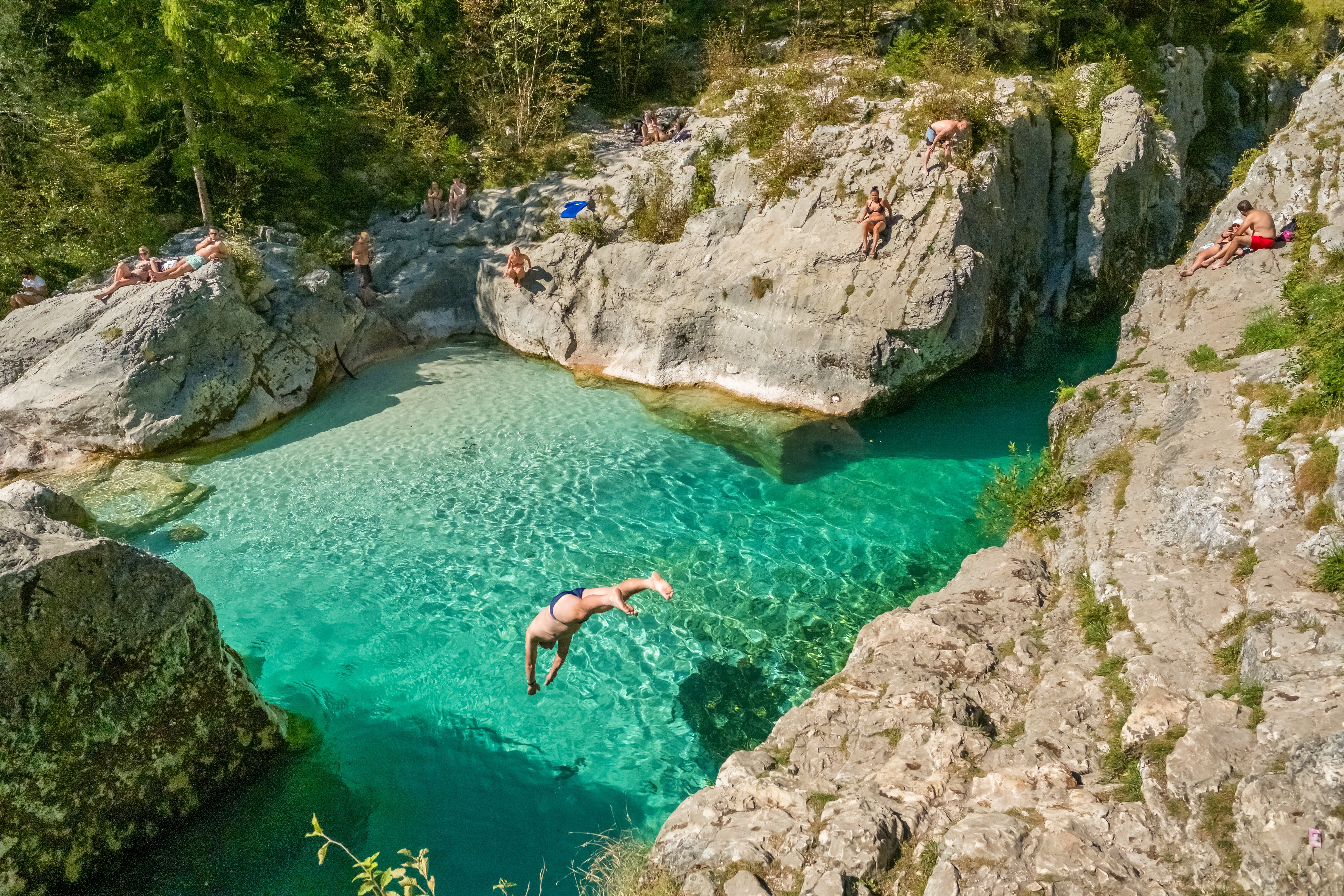 Soca River. Photo: Mazur Travel / Shutterstock.com
The Soča Gorge is particularly worth visiting (zero entrance fee). If you have more time, the valley is also ideal for hiking and rafting.
Day 4: Goriška Brda
Leave the mountains behind and head towards Goriška Brda (29 km from Soča Valley), Slovenia's beautiful wine country. Admire rolling green hills, vineyards and small medieval settlements and make time for Šmartno, a beautifully preserved walled village that feels worlds away from the country's better-known tourist attractions.
 Smart no. Photo: brunocoelho / Shutterstock.com
Enjoy Slovenian wine, local food and countryside views. Slovenian wine is still surprisingly underrated internationally, and the Brda region is particularly interesting because it sits right next to the Italian border.
Day 5: Piran
From wine country, continue towards Slovenia's tiny but beautiful Adriatic coastline. Piran (98 km from Goriška Brda) is one of the places I would definitely keep on the itinerary. The town sits on a small peninsula and has strong Venetian influences, a historic old town and narrow cobblestone streets. It is also an easy destination to combine with a trip to Italy, with Trieste only around 45 minutes away by bus.
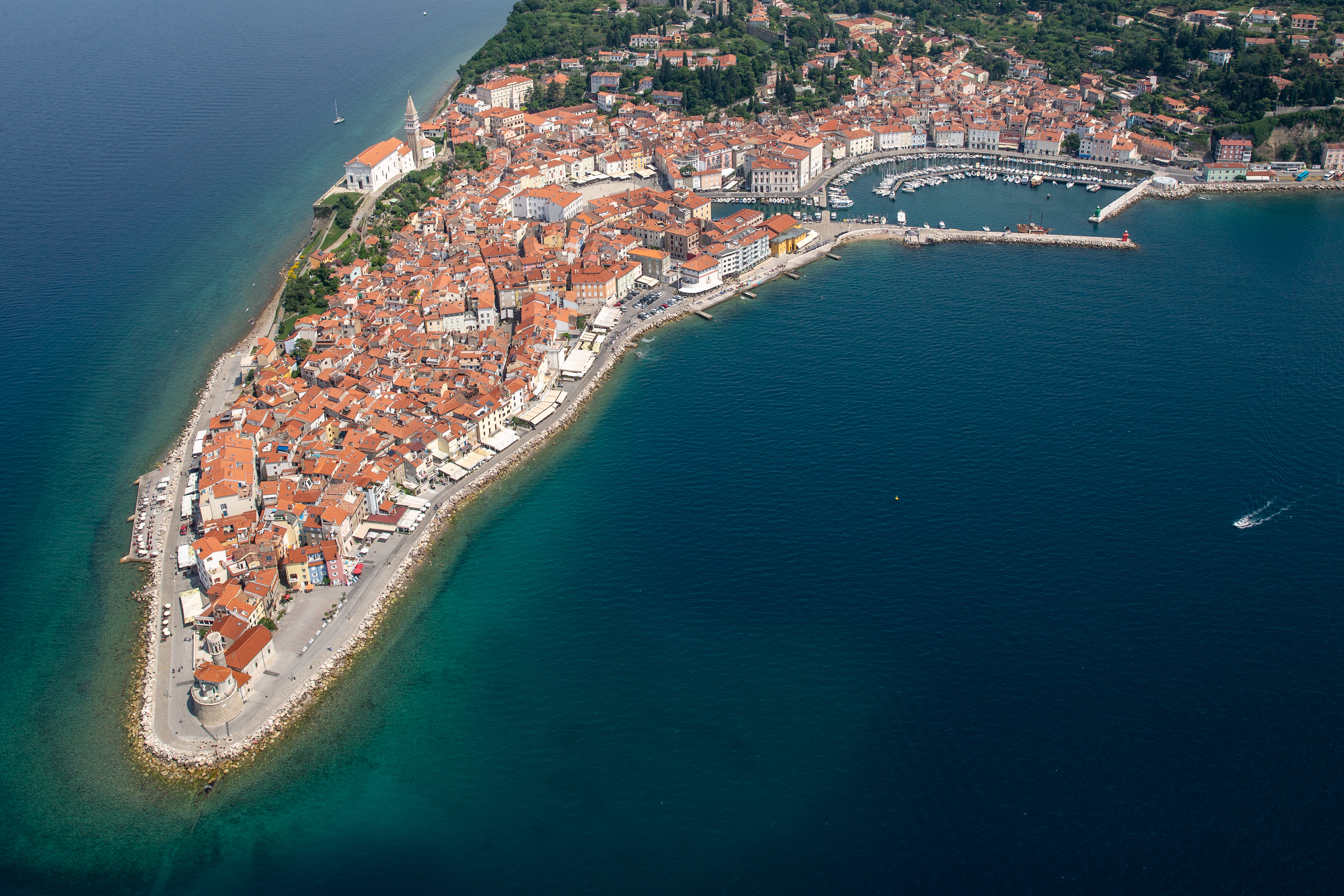 Piran. Photo: Shutterstock
One of the biggest advantages of Piran is that the historic center is largely car-free. Spend the afternoon exploring Tartini Square, walking along the waterfront and find a restaurant serving fresh fish.
Fiesa Beach is a great choice if you want somewhere peaceful, with shallow water, pebbles, pine trees and grassy areas that make it particularly family-friendly. For a more traditional seaside atmosphere, Riviera Beach has rocky and pebbled sections with direct access to the remarkably clear Adriatic.
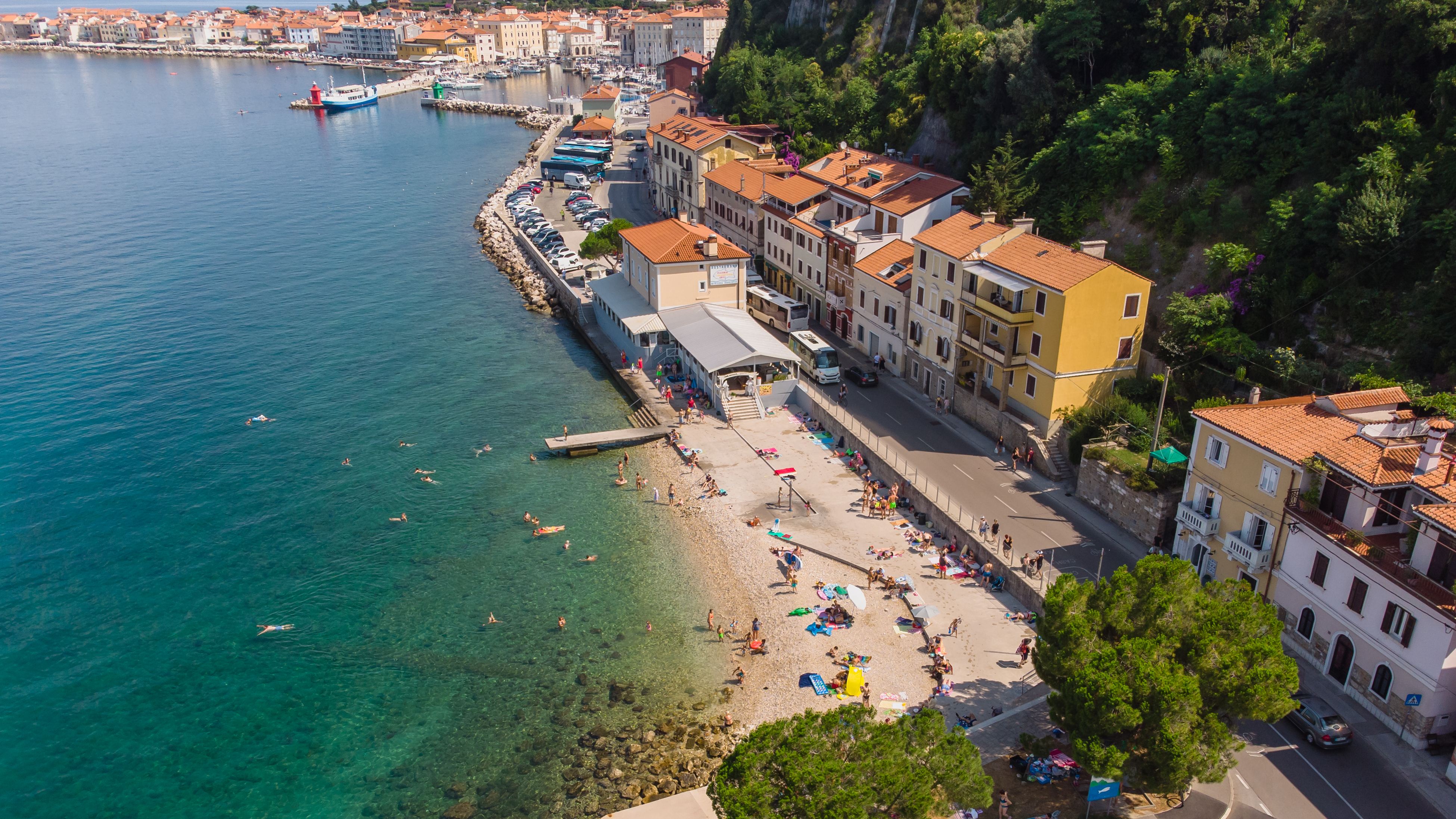 Piran. Photo: Shutterstock
If you prefer a livelier beach scene, continue toward Portorož, where the Central Beach is one of the easiest places to spend a few hours by the water, with cafés, shade and accessible facilities nearby. The coast also has more exclusive options, such as Meduza Beach (sun loungers, umbrellas, beach club), and Cape Seča (more active, kitesurfing).
If you want a memorable view, head to the Sky Terrace to watch the sunset over the Adriatic.
Day 6: Predjama Castle and Lower Carniola
Stop at Predjama Castle (75 km from Piran), one of the country's most dramatic landmarks. Built into the side of a massive cliff, the castle looks almost like something from a fantasy film.
You can combine it with a visit to Postojna Cave, another major attraction in the region. Tickets cost around €32 based on the prices I found, although it's worth checking current rates before visiting.
Day 7: Velika Planina and Ljubljana
For the final day, head towards Velika Planina (100 km from Predjama Castle), a beautiful Alpine plateau known for hosting Europe's largest traditional shepherds' settlements, vibrant spring purple crocus fields, and authentic local dairy.
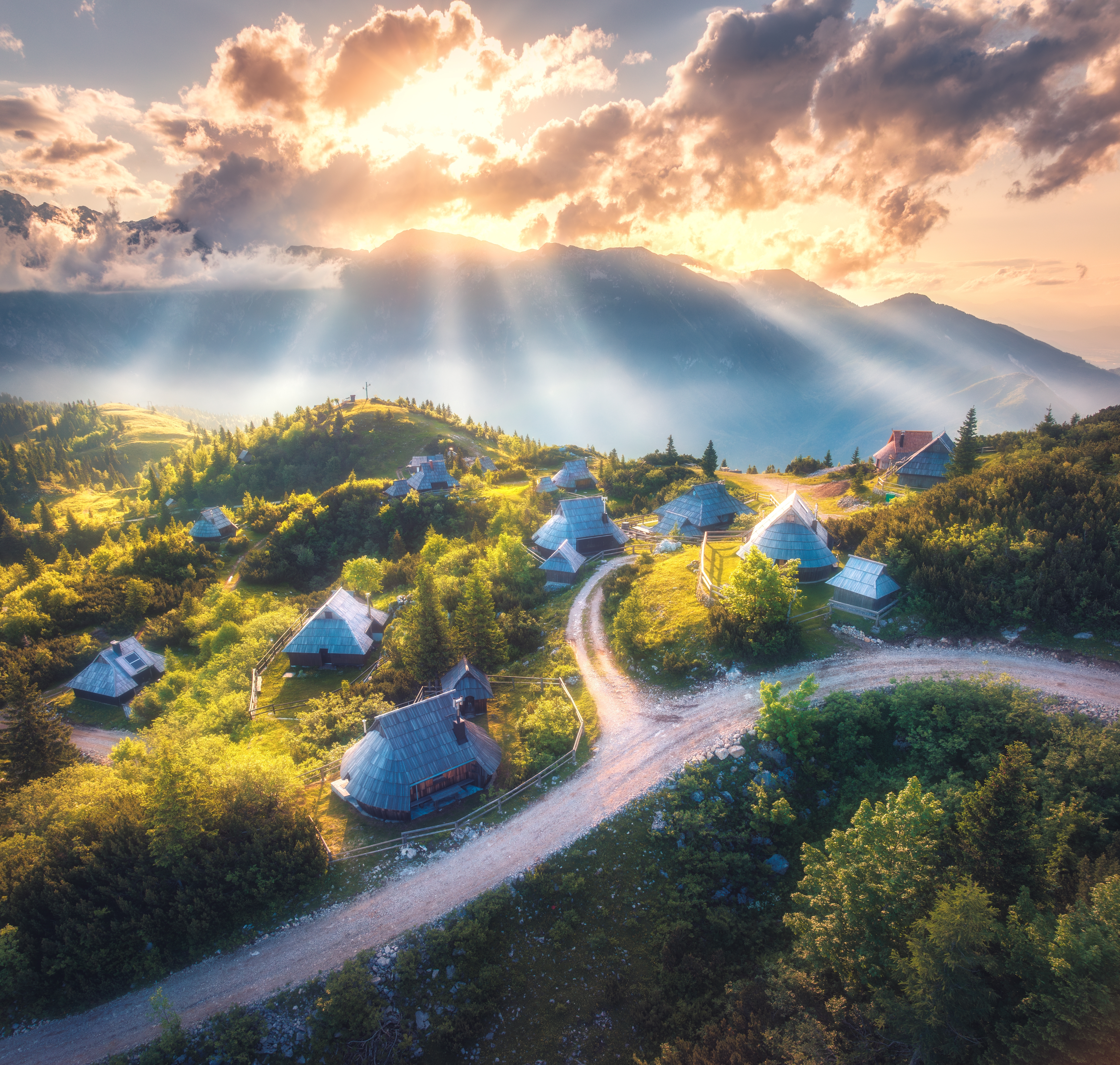 Velika Planina. Photo: Shutterstock
Accommodation
For two adults (September), we found accommodation in Ljubljana from €30 per night, while a night in Piran started at €80 for an apartment or €95 for a villa/guest house. In Bovec and Goriška Brda, villas were available from around €60, while a luxury apartment near Lake Bohinj with a beautiful view cost about €260.
Car Rental
Car rental starts from around €18 per day, with a week-long rental costing about €120.
If you prefer not to drive, buses are an excellent way to explore Slovenia. They are comfortable, reliable and affordable, with many offering Wi-Fi and air conditioning. A bus from Ljubljana to Bled costs €5.70, Piran €10.90, and Postojna Cave €5.30.
Food
Food is also reasonably priced. A traditional Slovenian breakfast costs around €7, while an average lunch costs €11. A typical two-course meal is around €15–20, while street food costs about €5. Bled cream cake is around €3–4 and is well worth trying.
For dinner, expect to pay around €15 on average. Pizza with wine costs about €18, pasta around €15, and steak with wine roughly €25–30. A large domestic beer is around €3, while a glass of wine typically costs €3–4.
And if all this was not enough, if you're planning a larger European adventure, Slovenia is incredibly easy to combine with neighboring Italy, Austria or Croatia.