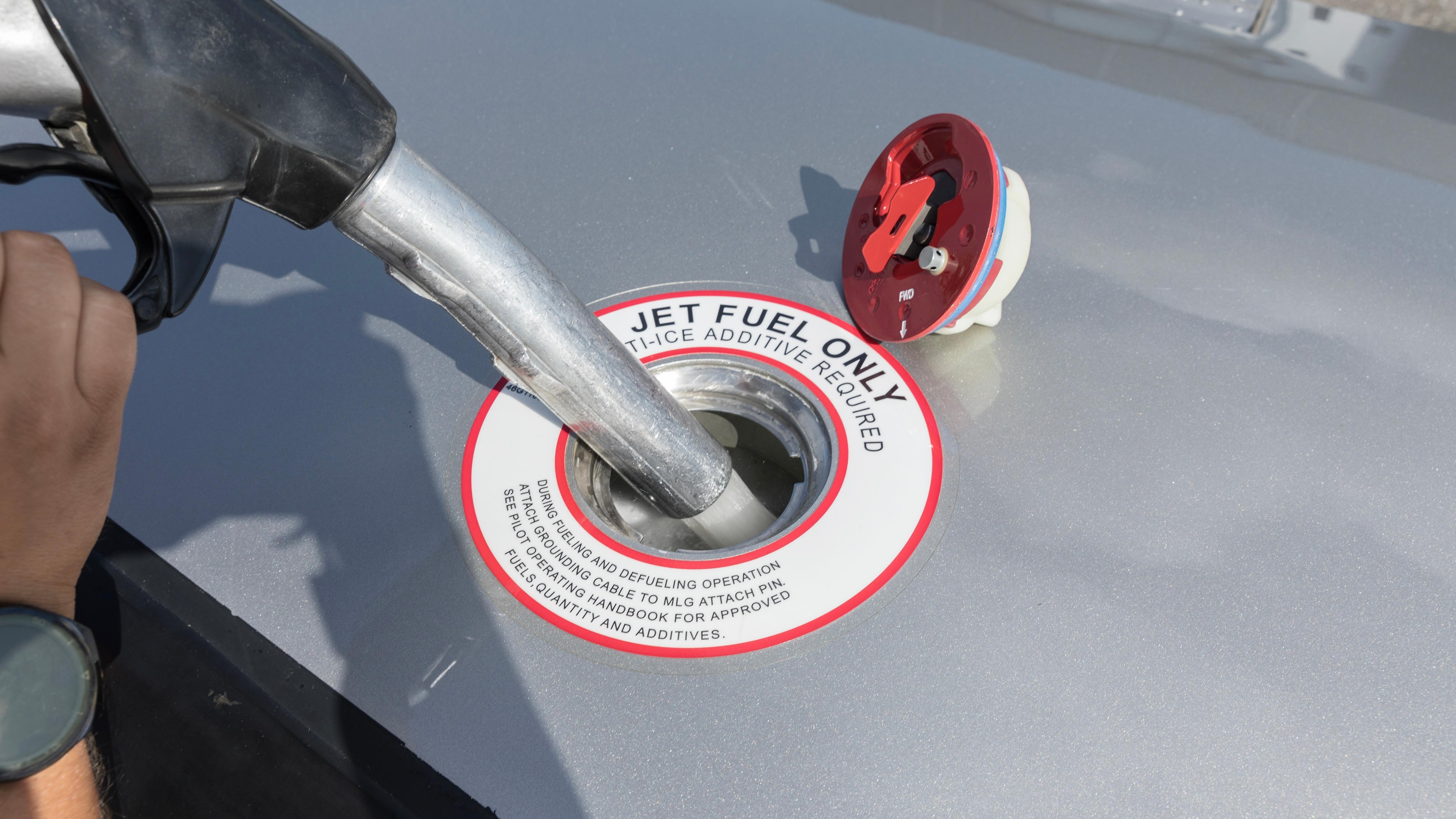
Rising jet fuel prices are putting fresh pressure on airlines, prompting carriers to look beyond traditional cost-cutting measures and use operational data to find new ways to reduce fuel consumption.
According to IATA's latest global financial outlook, airlines are expected to spend around $350 billion on fuel in 2026, with fuel accounting for almost one-third of airline operating costs. The increase comes as the war in the Middle East has contributed to higher prices and greater volatility in energy markets.
Although the global airline industry is expected to remain profitable this year, margins are forecast to narrow sharply. IATA estimates that the average airline profit margin will fall from 4.2% in 2025 to just 2% in 2026.
Stuart Fox, IATA Director of Flight and Operations, said airlines are increasingly focused on finding ways to avoid unnecessary fuel consumption, noting that the cheapest fuel is the fuel an airline never has to burn.
Fuel Efficiency Becomes a Priority
An IATA survey conducted in March found that 90% of airlines ranked improving fuel efficiency among their top priorities. The figure rose to 96% among respondents working in financial and procurement functions.
Fleet renewal and network optimization have already delivered significant efficiency improvements across the industry. As opportunities in those areas become more limited, airlines are increasingly looking towards operational decisions and data analysis for additional savings.
Real-time operational data can help carriers identify where fuel is being used inefficiently and compare their performance with similar airlines.
IATA currently has operational information from more than 240 airlines worldwide, allowing carriers to benchmark their performance against industry peers.
Its Fuel Efficiency Gap Analysis (FEGA) advisory service and FuelIS analytical platform can identify potential savings by fleet type, route, flight phase and geographic region.
For example, data could show that an airline regularly lands with higher fuel reserves than other operators flying similar aircraft on comparable routes. Such information could highlight an opportunity to reduce fuel consumption while maintaining required safety margins.
Airlines Need Wider Industry Support
Not every source of fuel inefficiency is under an airline's direct control. IATA says improvements across the broader aviation system, particularly air traffic management, will also be necessary.
More efficient flight paths, including direct arrival routings where operationally possible, can reduce unnecessary fuel burn. IATA is therefore calling for continued modernization of air traffic management systems and closer cooperation between airlines and air navigation service providers.