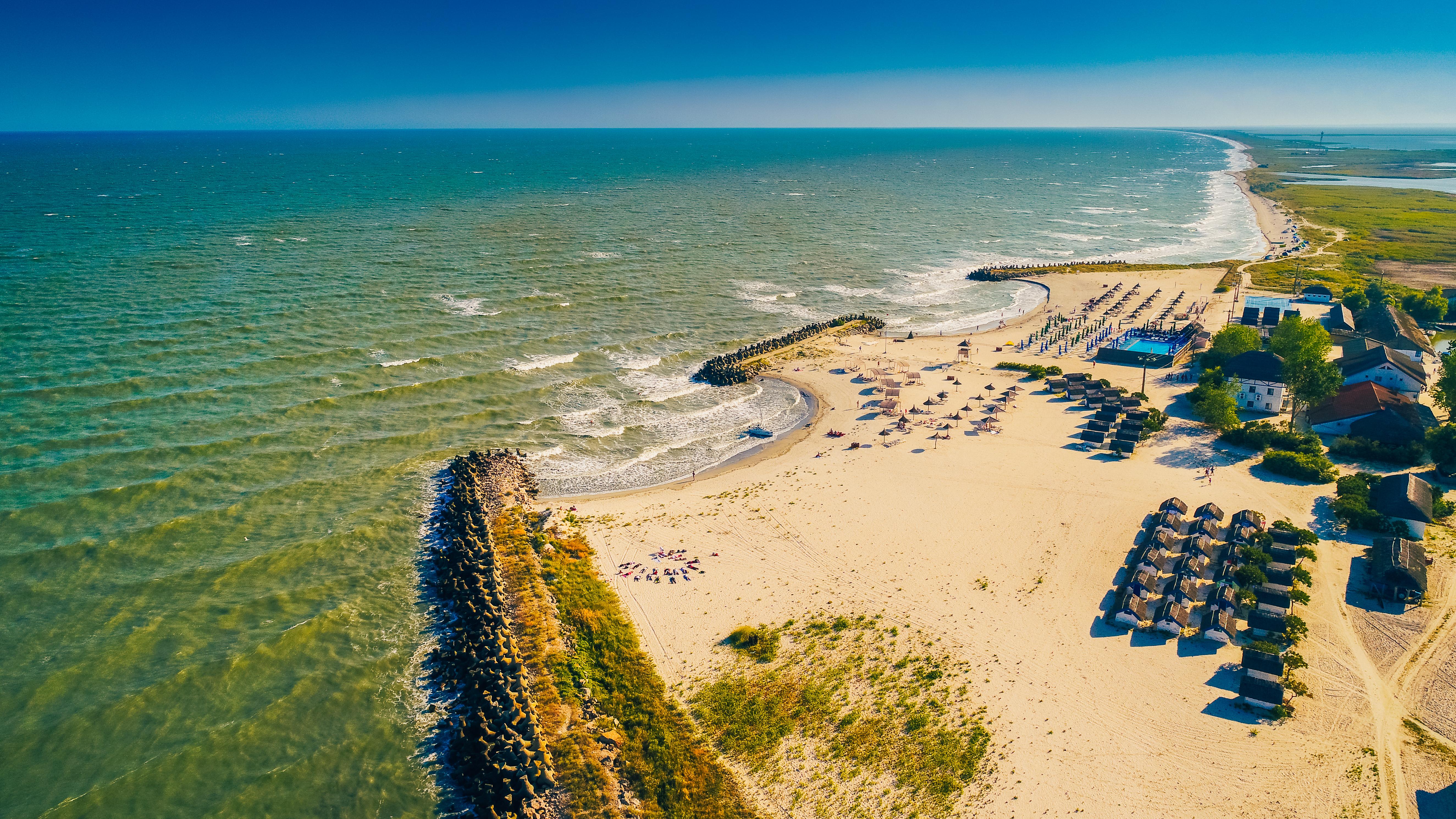
Some of my best memories are strongly tied to the Danube Delta. After spending a week at the beautiful Back Sea resorts of Navodari or Mamaia, my family and I would travel to the Danube Delta.
I still vividly remember the sound of the boat engine carrying us to the small slice of heaven we would call home for the next few days, whether it was a traditional hut on the beach, a floating hotel on the Danube (my favorites), or a chic guesthouse with an amazing lake view and a lush garden.
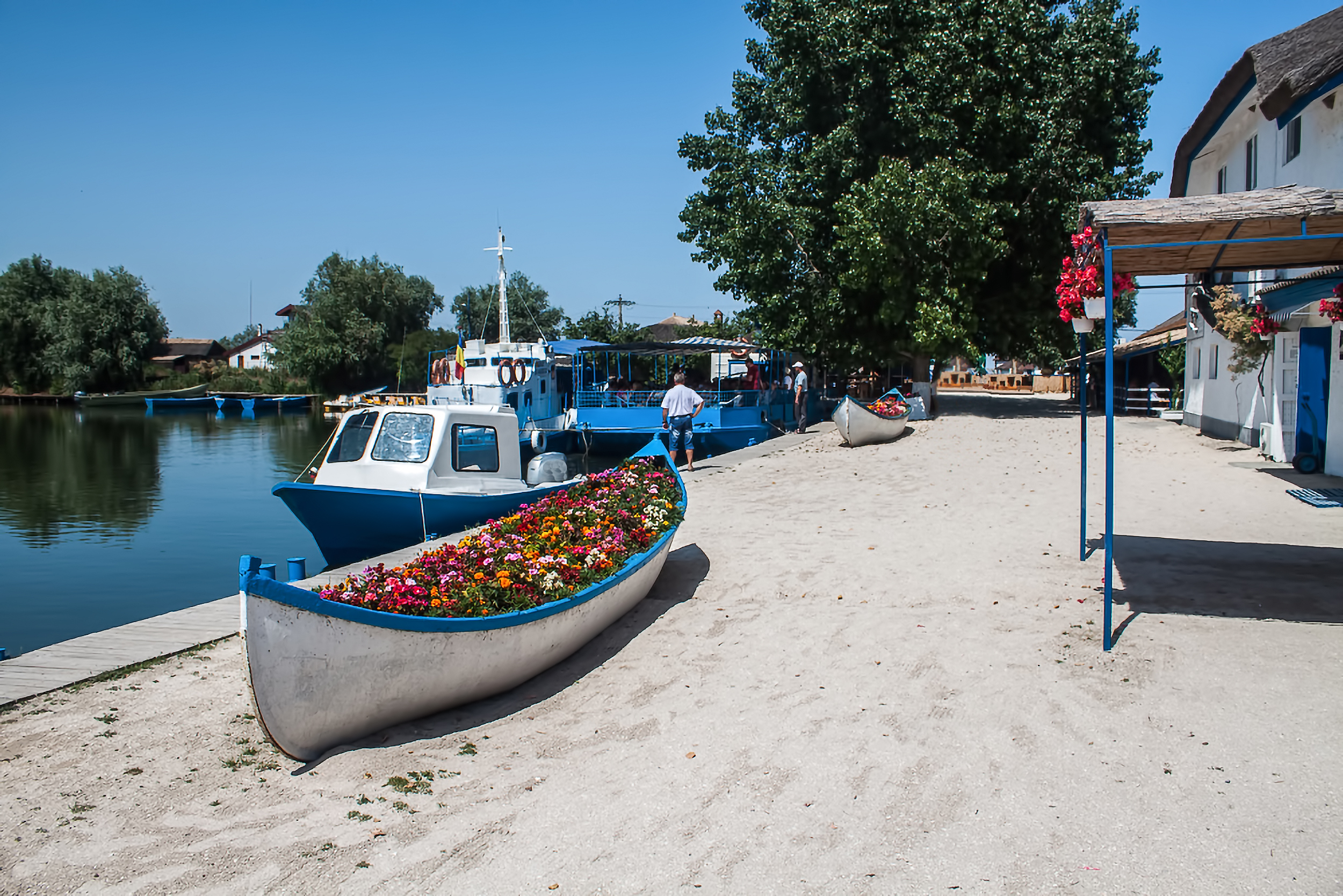 Danube Dealta. Photo: Shutterstock
One thing I particularly enjoyed was the water trip there, inside a small boat, with the cooling breeze moving through my hair and the tall reeds. I would always gently slip one hand into the water, close my eyes, and get lost in the serenity of the moment. Then I'd live it again and again for a few days, since boats are pretty much the only way to get around there.
The Delta Explained
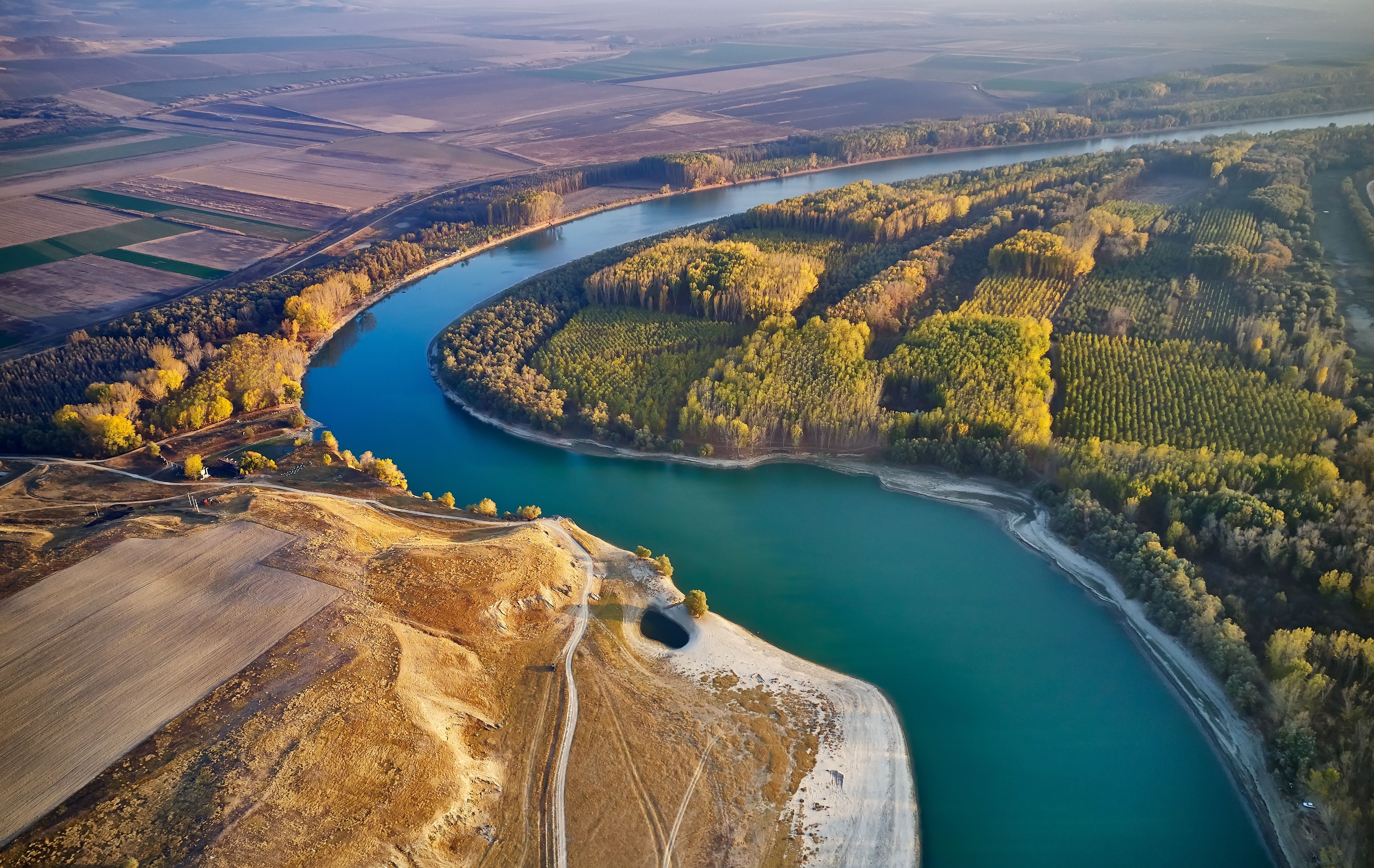 Danube river shore in summer. Photo: Shutterstock
At the eastern edge of Romania, where the Danube River finally reaches the Black Sea, it splits into three arms, creating an enormous maze of channels, lakes, reed beds, forests and floating islands. This is the Delta, and it took roughly 10,000 years for it to reach its current stage. The best part is that it keeps growing every day thanks to the 68 million tons of alluvium that the Danube deposits every year.
This helps the Danube Delta Biosphere Reserve, a World Heritage Site since 1991, preserve its 5,500 flora and fauna species and stay on top, alongside Australia's Great Barrier Reef and Ecuador's Galapagos Archipelago.
How to Get There
If you are flying in, Bucharest and Constanța are the main international airport options. From there, you can continue to Tulcea by road or public transport. The city has its own small airport, but it is primarily used for charter flights.
Driving is also convenient, especially if you want to combine the Delta with Romania's Black Sea coast. From Bucharest, the route follows the highway towards Constanța before continuing north to Tulcea (280 km).
Buses are a practical public transport option, with connections from Bucharest (6 hours, 10 EUR), Constanța (2 hours, 8 EUR) and other Romanian cities.
Start in Tulcea
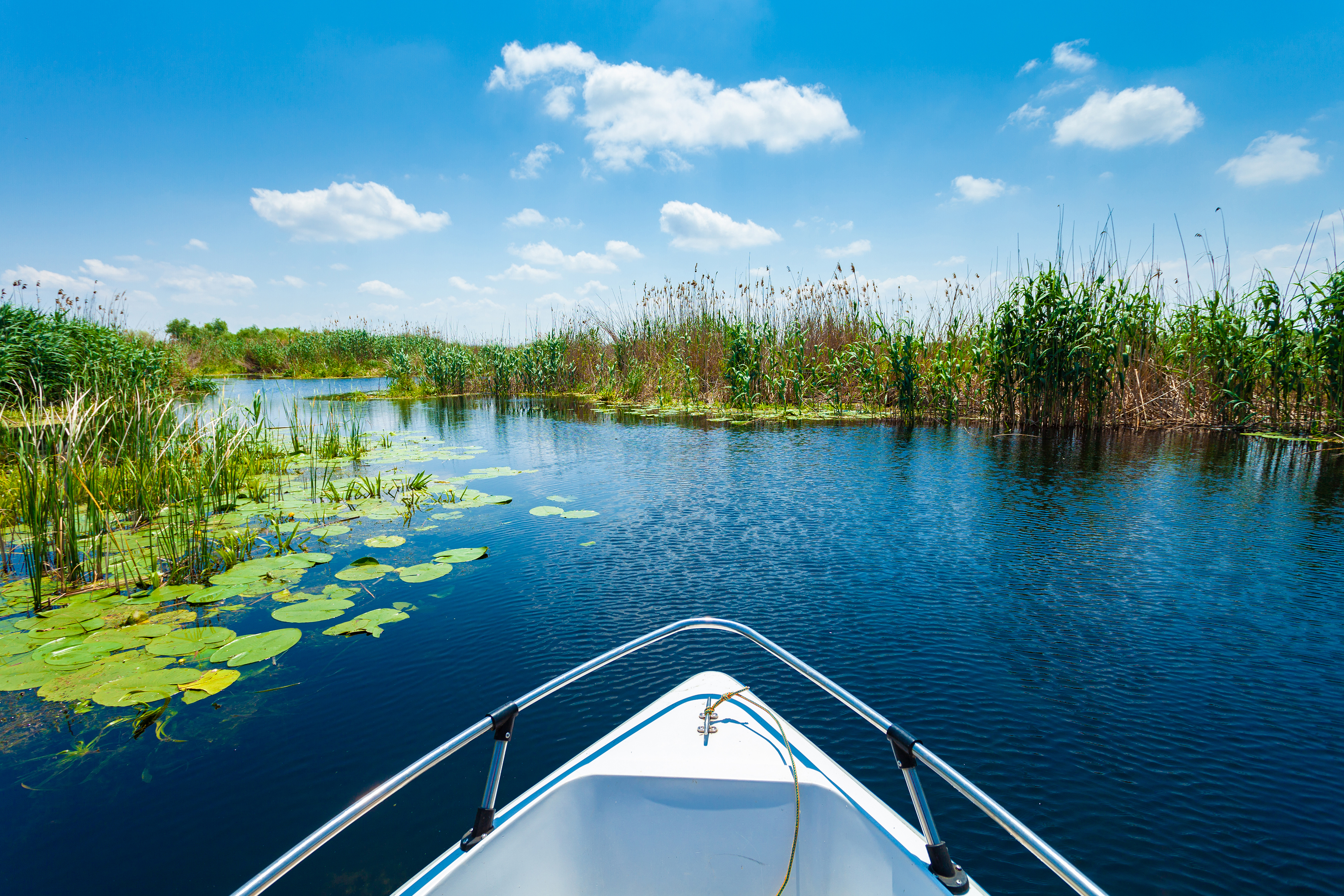 Danube Delta. Photo: Shutterstock
Once you reach Tulcea, the boat becomes the real gateway to the Delta. Scheduled services connect the city with popular tourist destinations including Murighiol, Sulina, Saint George and Periprava, while private boats, traditional fishing boats, guided excursions, and kayaks will carry you deeper into the waterways and to more remote villages.
Where to Stay
- Sulina is best for first-timers and families, offering standard hotels, guesthouses, restaurants, and a wild Black Sea beach.
-
- Saint George is great for a relaxed vibe and nature resorts like Green Village, close to where the river meets the sea.
-
- Mile 23 or Crişan are hidden deep in the delta center, ideal for quiet eco-lodges, intense birdwatching, and authentic photography trips.
-
- Murighiol is easily reachable by car and it is an excellent starting point for organized boat trips through lakes, canals, forests and remote villages. The area has guesthouses, holiday homes and resorts to suit different budgets and travel styles.
-
- Crișan and Dunavățu de Jos offer guesthouses, traditional homes, polished resorts and floating accommodation.
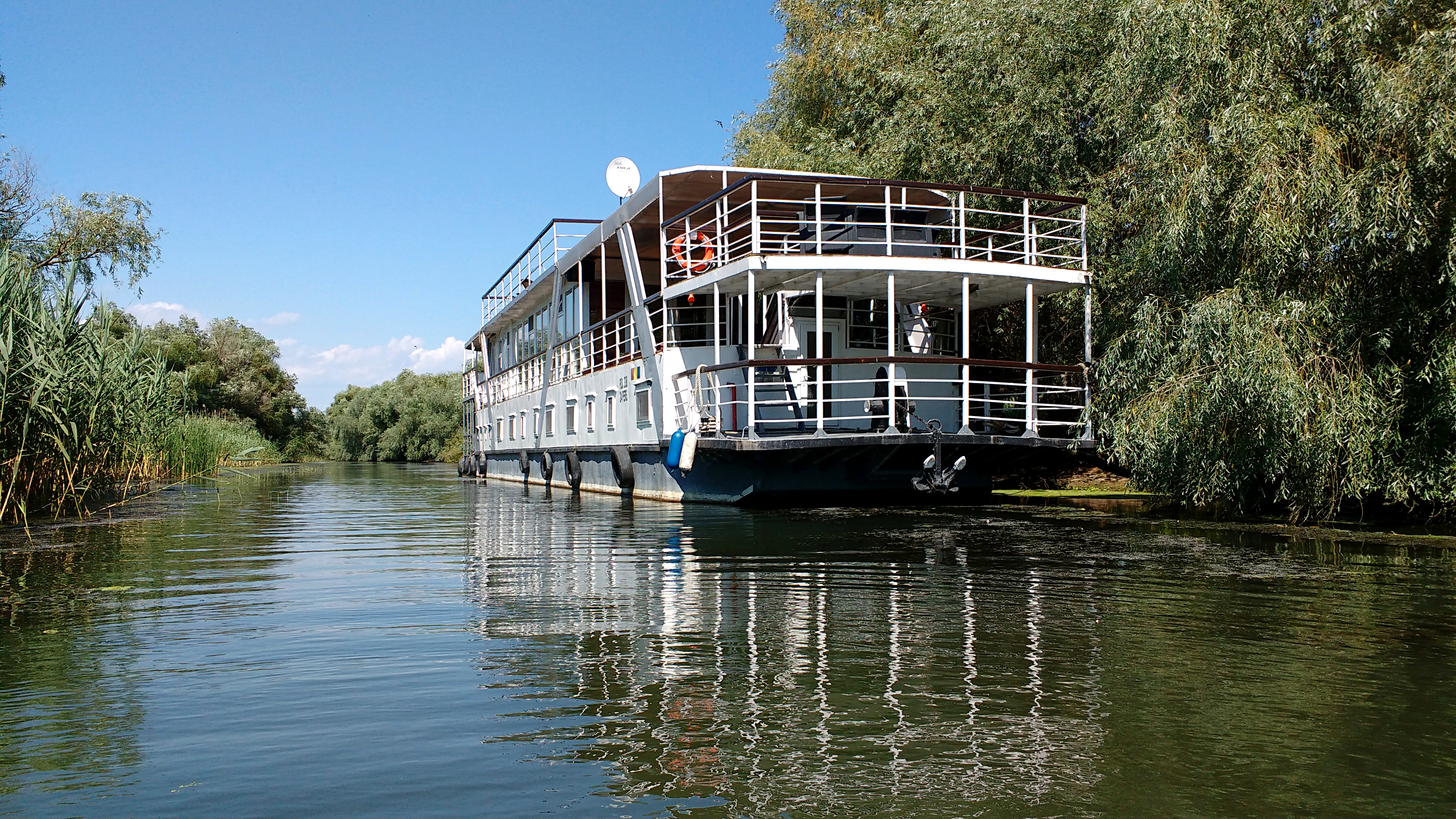 Floating hotel. Photo: Shutterstock
The right choice depends on whether you want comfort or full immersion, with prices starting at 40 EUR per night for two adults and one child (usually breakfast included, pool access, free WiFi, A/C) for September.
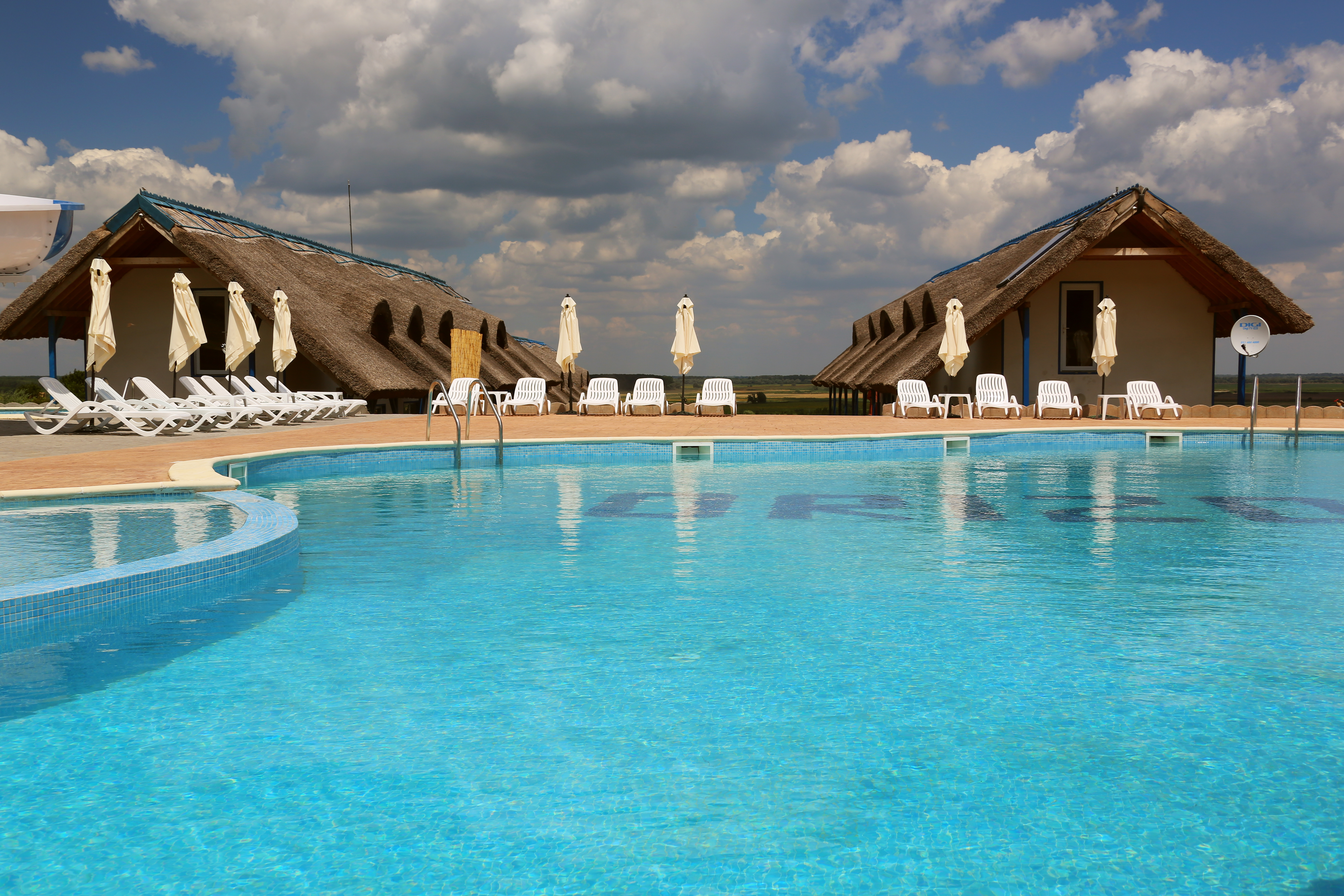 Hotel in Danube Delta. Photo: Suliman Razvan / Shutterstock.com
Choose a place with panoramic views of the Danube Delta for a memorable experience, or opt for a cozy wooden beach hut with a thatched roof for a truly unique stay.
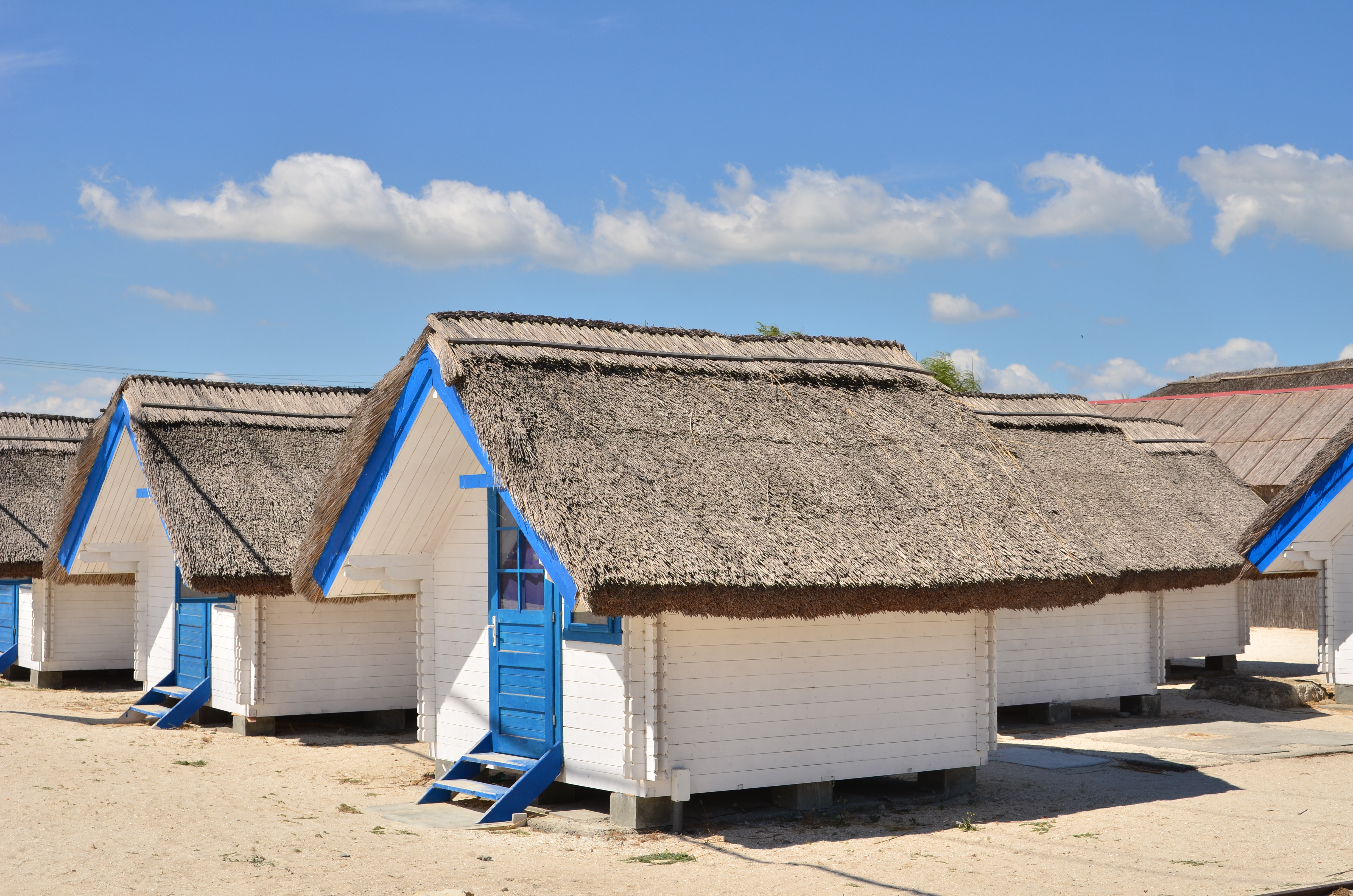 Wooden beach huts with thatched roofs at Gura Portitei. Photo: Shutterstock
What to Do
Slow down and take everything in. The Delta will guide you to your next adventure on its own (but professional guides are available as well).
Go on Guided Birdwatching or Sunset Safari Trips
You can take a 10-hour trips to Mile 23, Letea and Sulina, passing through wild channels and rich birdlife (60 EUR/person), shorter 5-hour trips to Mile 23 for 40 EUR (wildlife viewing, visit to a special museum, and traditional meal with locals), or a 3-hour trip to Lake Cu Cotete, known for its impressive cormorant colony, for 24 EUR (pelican and kingfisher spotting).
Watch the Stars of the Delta, the Pelicans
You do not have to be a serious bird-watcher to become obsessed with the delta's birds, and pelicans are usually the showstoppers.
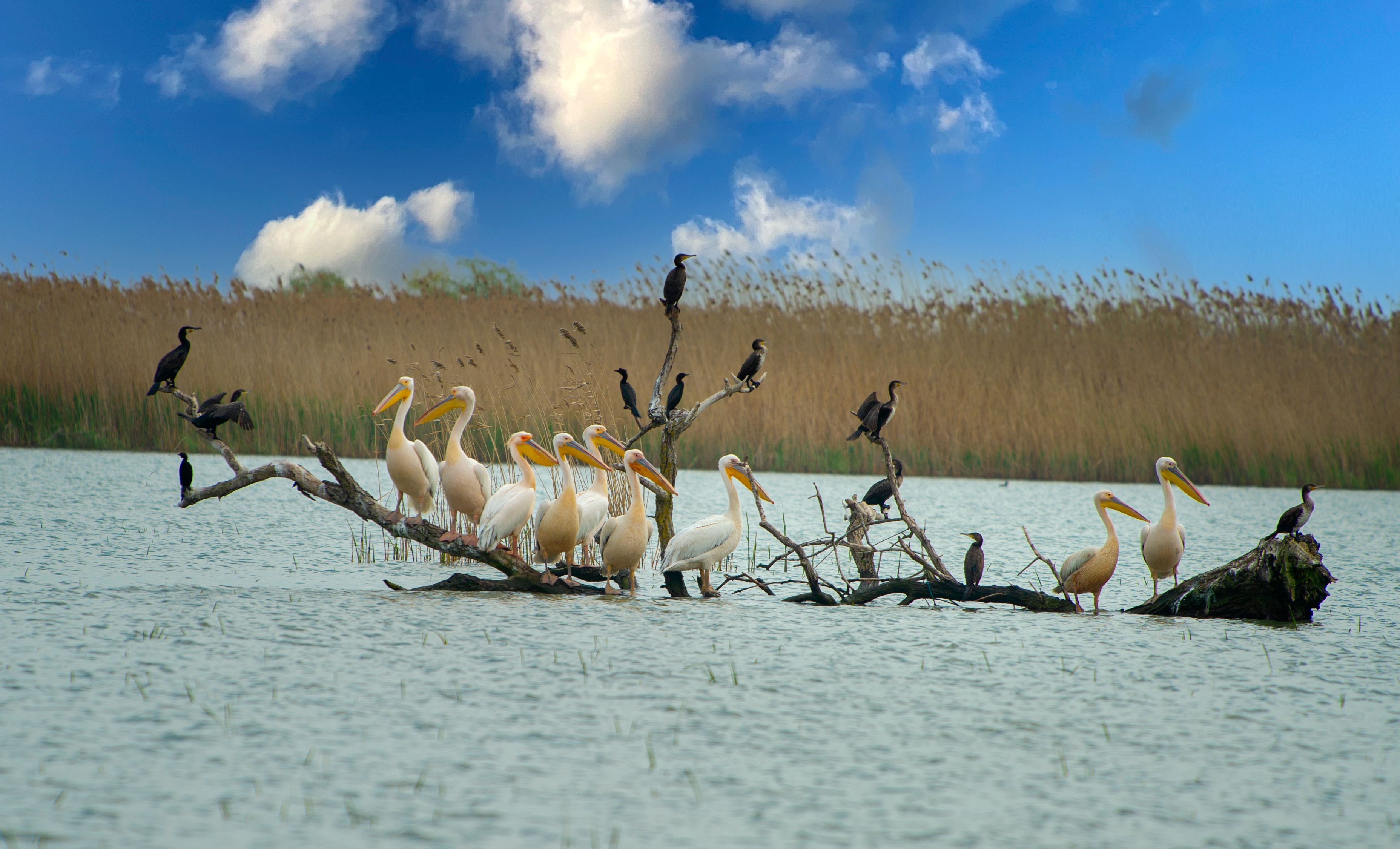 Pelican colony. Photo: Shutterstock
Seeing a flock of white pelicans suddenly lift off from the water is one of those unforgettable travel moments. After all, they are one of the oldest surviving bird species, with fossils dating back at least 36 million years.
The delta is home to more than 300 bird species, including cormorants, egrets, ibises and white-tailed eagles.
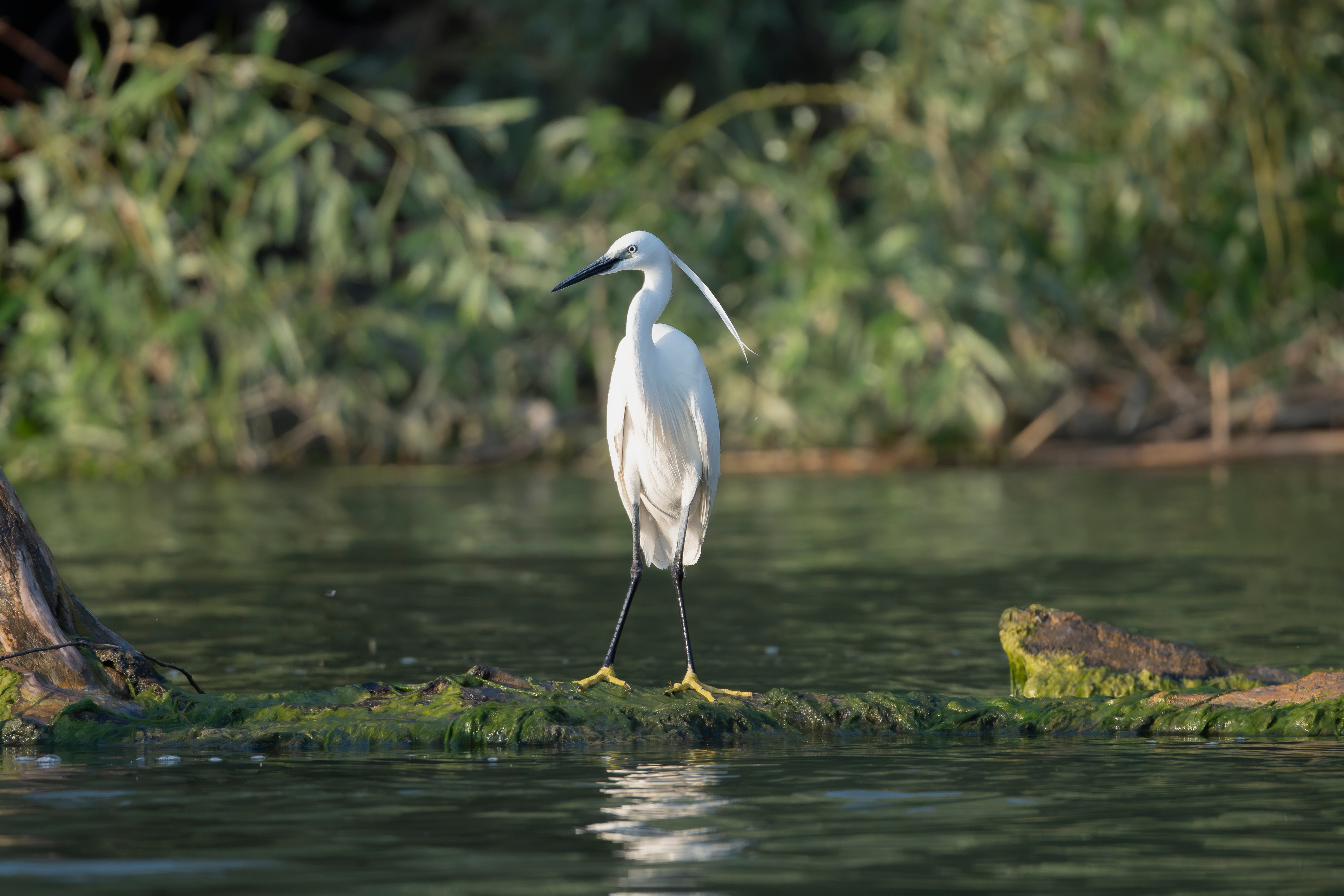 Egret in Danube Delta. Photo: Shutterstock
Explore Letea Forest: It's Like Stepping into Another Country
One of the Delta's strangest surprises is Letea Forest. After spending hours surrounded by water and reeds, arriving among ancient-looking trees and sandy paths feels almost surreal. The forest grows on dunes and has an unusual mixture of species, including old oaks and climbing plants that give parts of the landscape an almost tropical appearance.
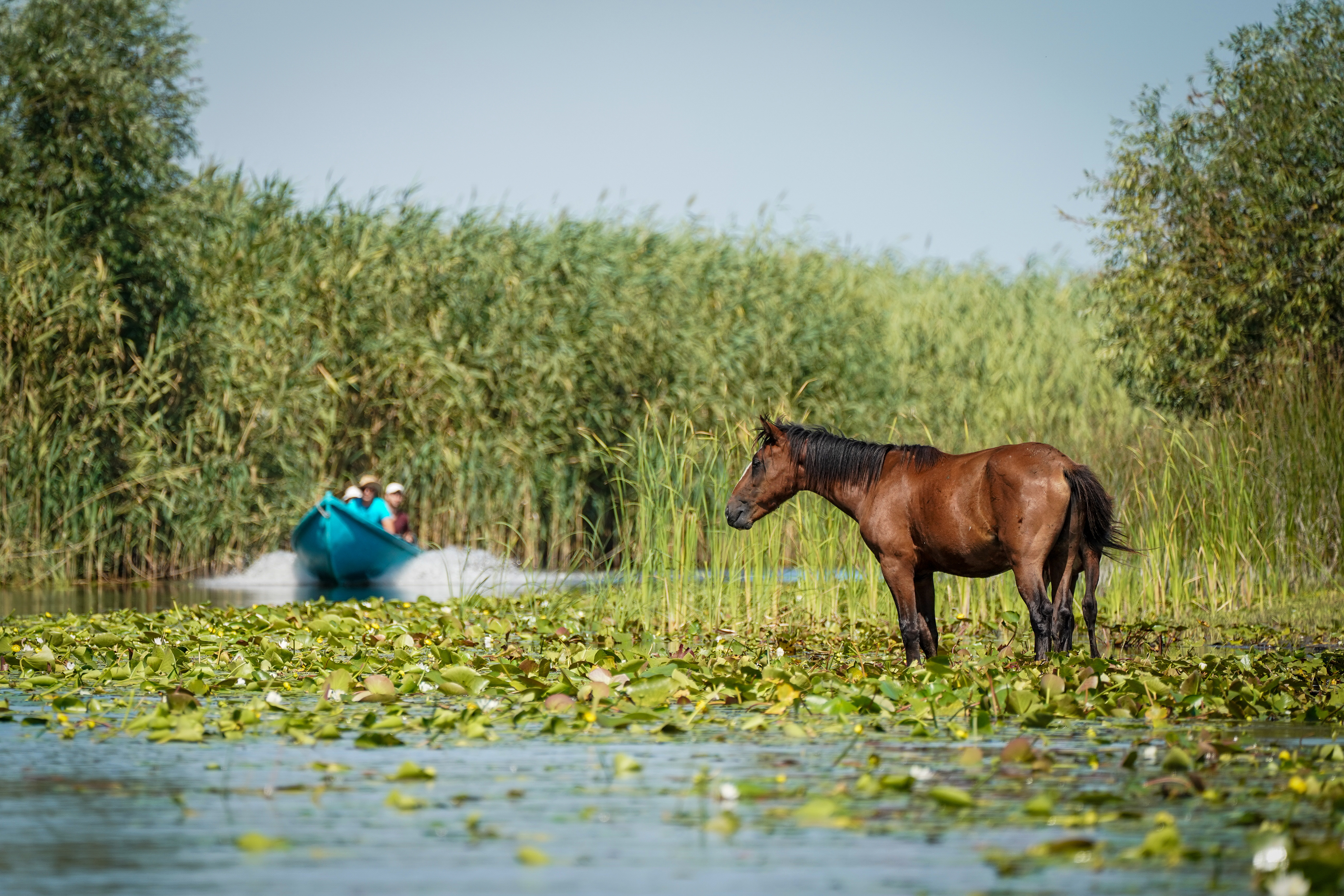 Letea forest. Photo: Shutterstock
Wild horses, around 2,000 of them, freely roam the surrounding area, adding another layer of wildness and uniqueness to the experience. You simply cannot get tired of admiring them, no matter how much time you spend trying to capture all of them in your photos.
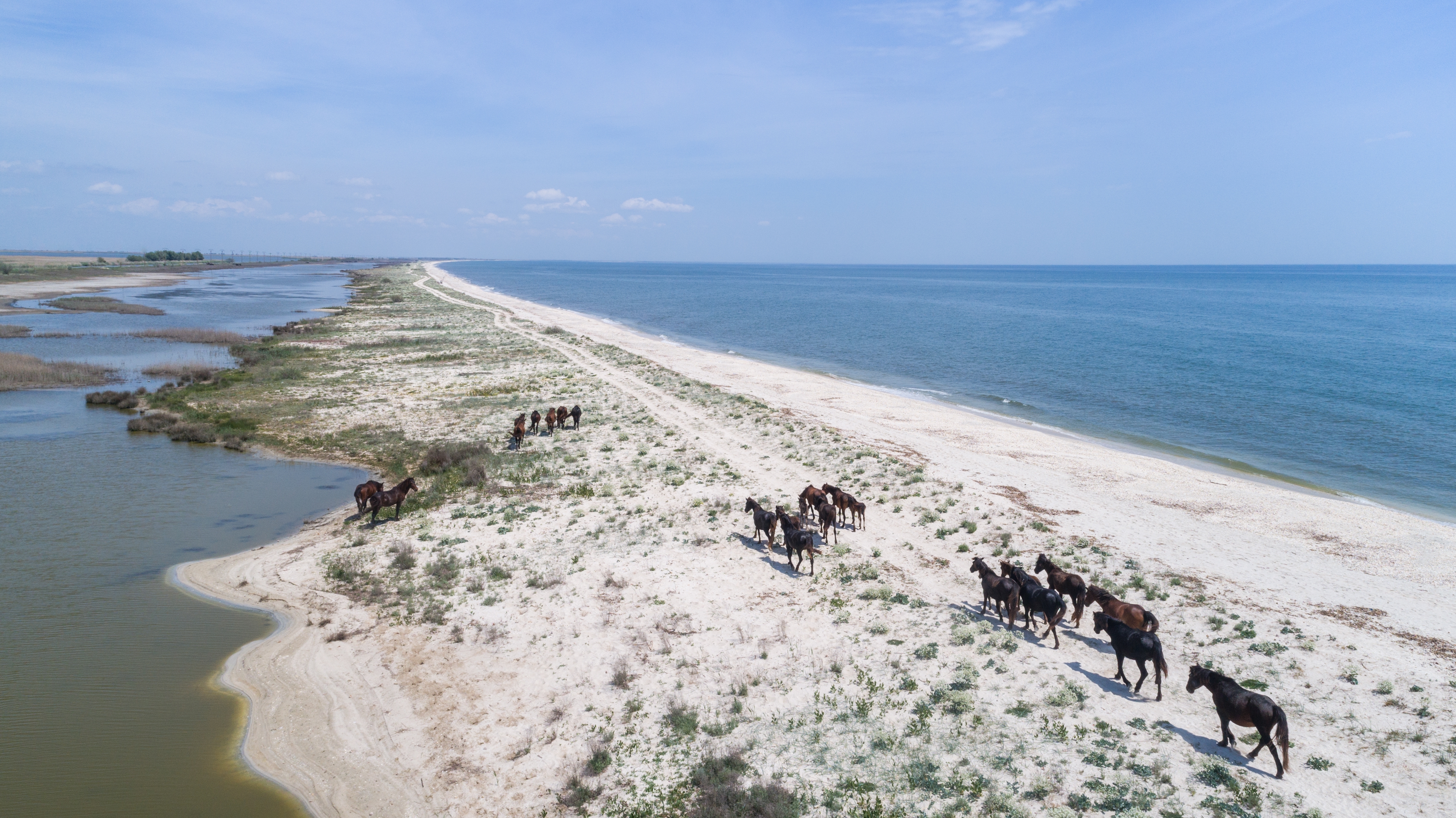 Wild forest at Ledea. Photo: Shutterstock
Live the Authentic Delta Experience at Mile 23
If you want to experience the traditional side of the delta, put Mile 23 on your itinerary. This small fishing village sits along the old Danube and has a special cultural heritage. Getting there is part of the experience.
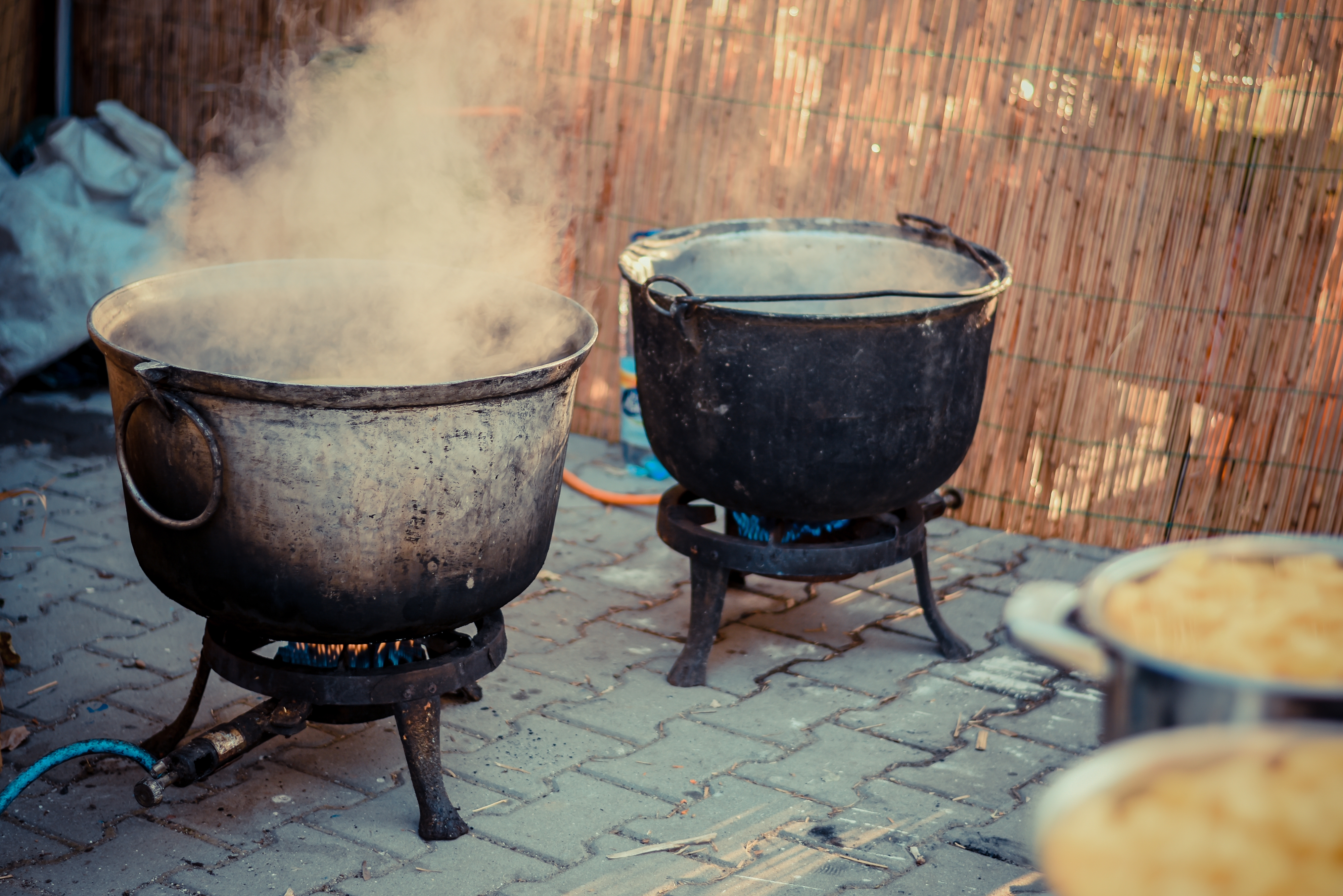 Cauldrons with food on the fire in the Danube Delta. Photo: Shutterstock
Stay overnight if possible. In the evening, the delta changes character, as the heat drops, the light turns golden, and the waterways become incredibly calm.
Shop, Swim, and Sunbathe in Sulina
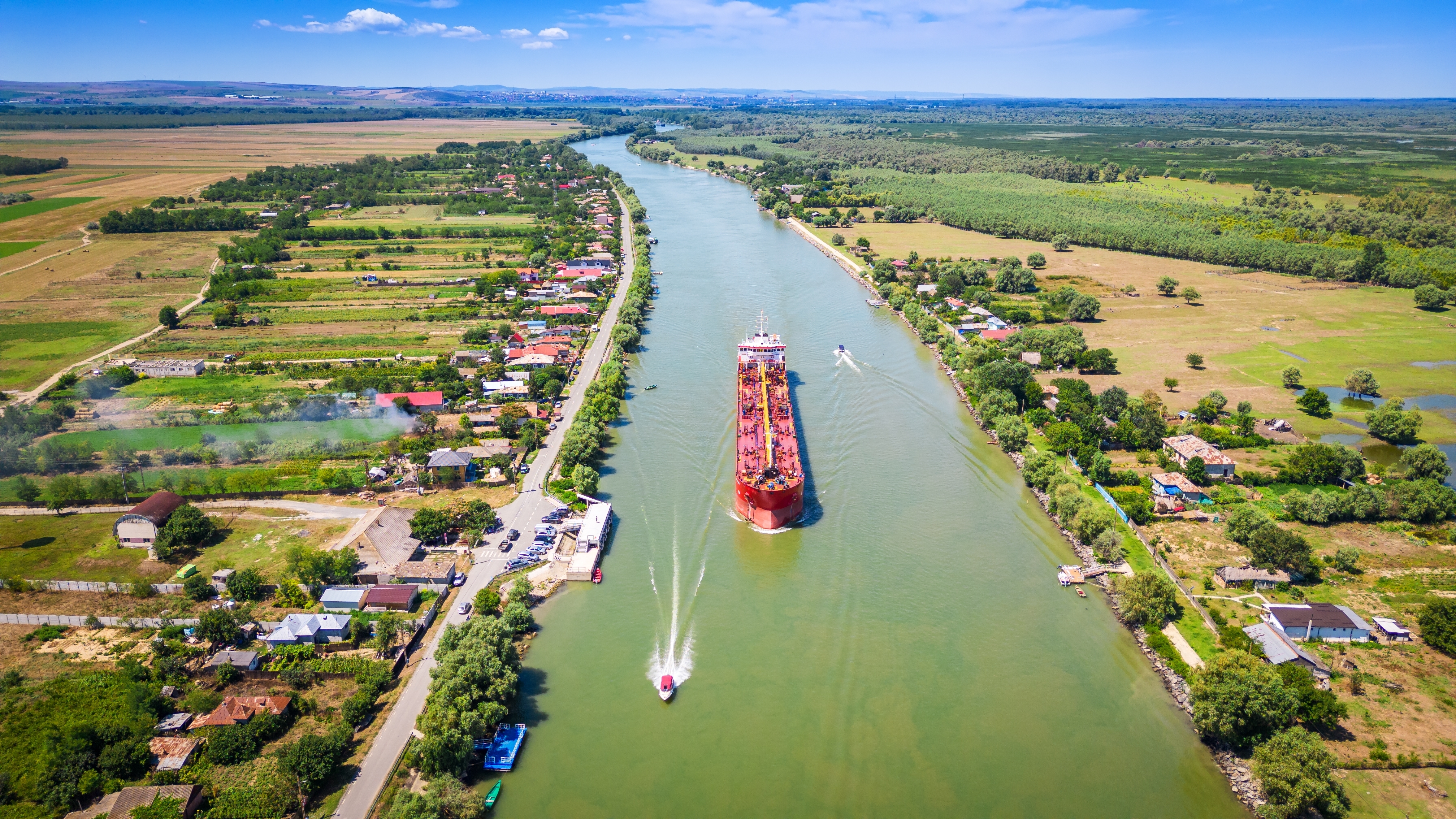 Sulina, Danube Delta. Photo: Shutterstock
Sulina is another fascinating stop, as it gives you something unexpected: the Black Sea. After days of navigating freshwater channels, you can walk towards the coast and reach a long sandy beach.
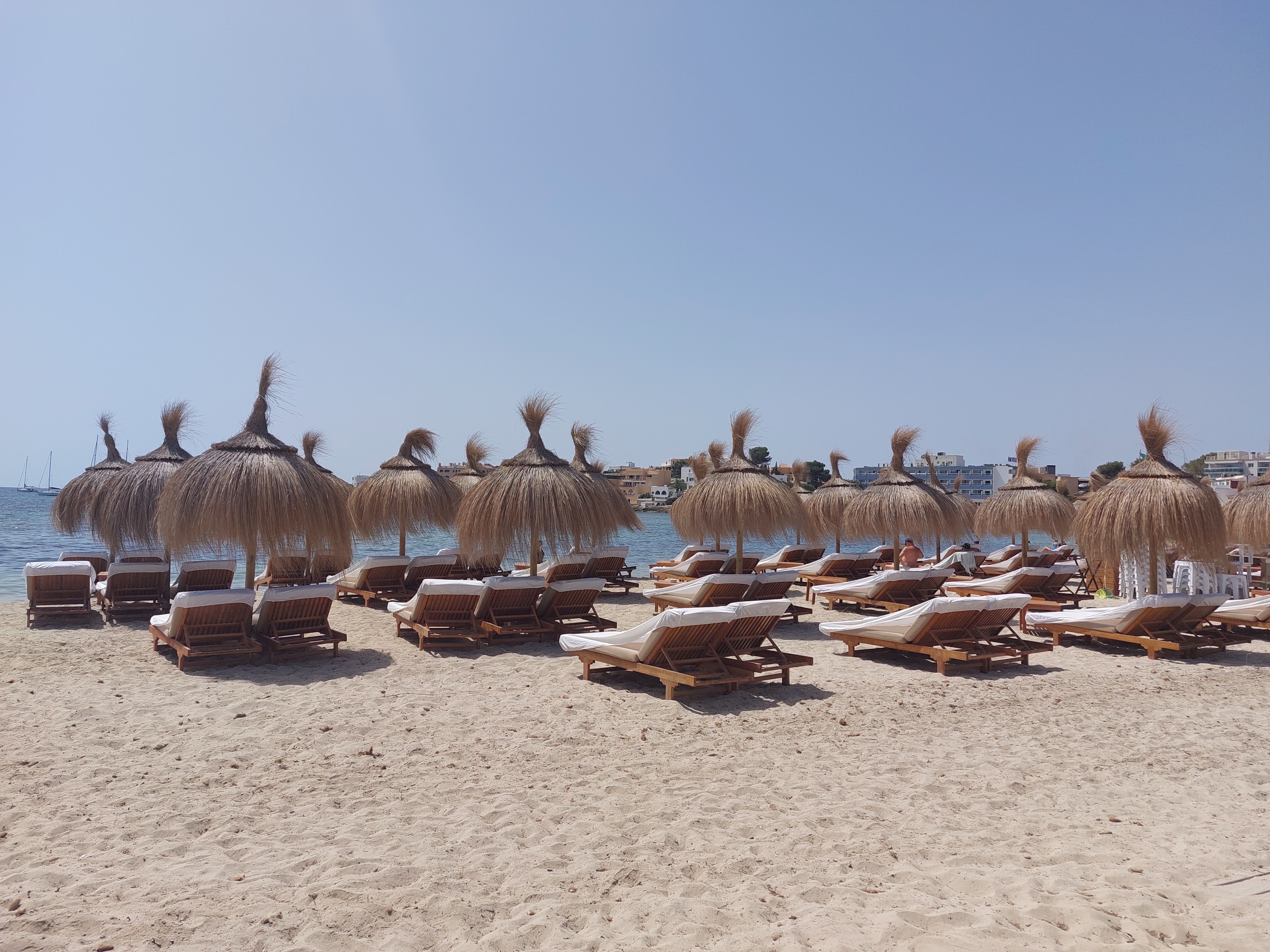 Beach at Sulina. Photo: Shutterstock
The biggest town in the Delta is not a large city in the sense you might expect, but you will find restaurants, stores, and accommodation.
Eat Fish. Lots of Fish.
Don't come here expecting generic tourist food. The delta's cuisine is built around its waterways, and fish is everywhere.
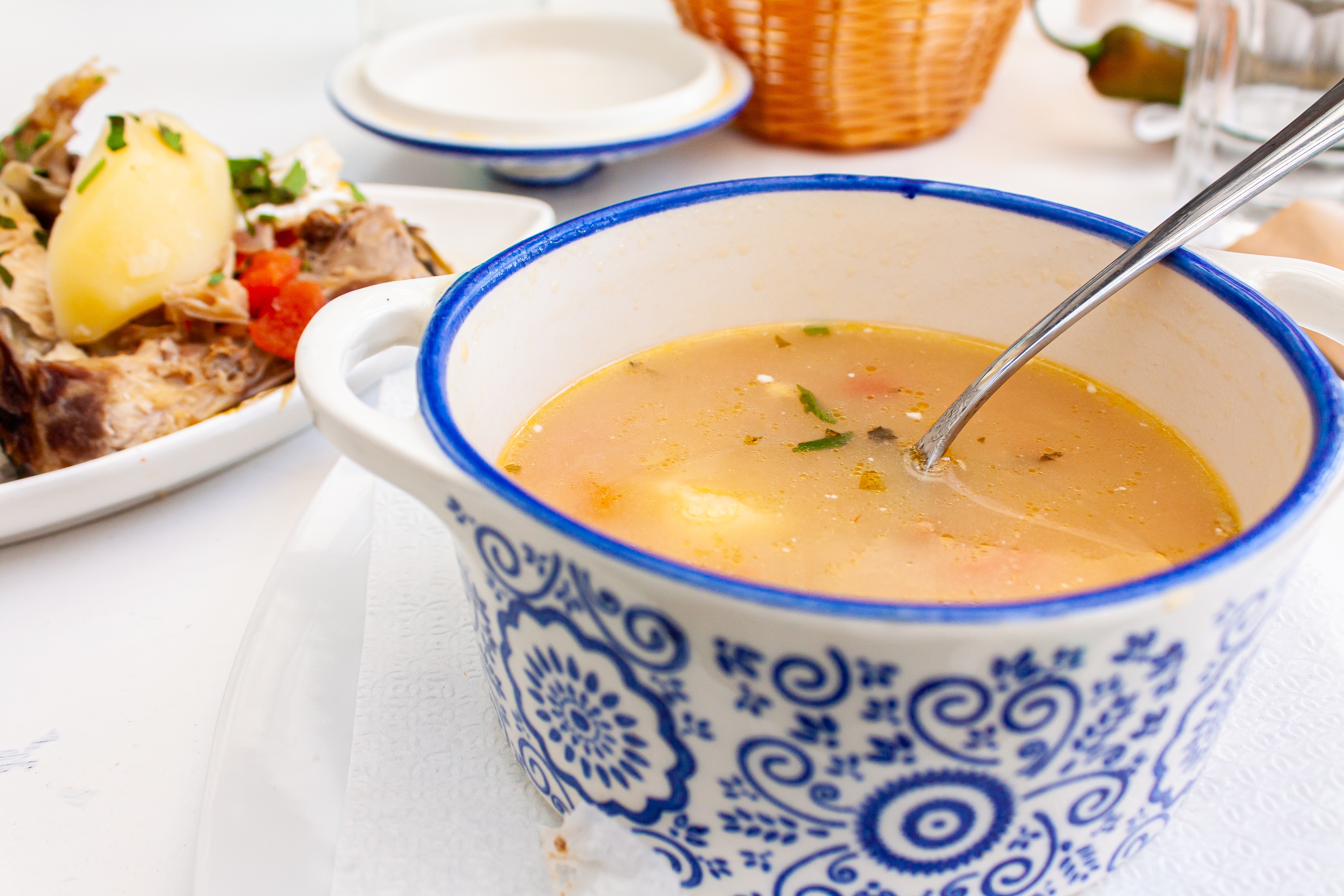 Fish soup served in a traditional way. Photo: Shutterstock
A Few Things You Need to Know
The Danube Delta is protected, so don't expect unrestricted access everywhere. Certain areas are strictly protected, while others allow carefully managed tourism.
Visitors need an access permit for the Danube Delta Biosphere Reserve. A one-day tourist permit costs 1 EUR. For seven days, you will pay 3 EUR. Boat and (4 EUR per watercraft per stay) and vehicle permits (2 EUR/day) are separate. If you want to bring a small drone (under 500 grams), an overflight permit costs 10 EUR.
Finally, bring plenty of sunscreen, mosquito repellent (I cannot emphasize this enough), and, of course, binoculars.
No doubt, Europe has plenty of beautiful destinations, but the Danube Delta is unique as its wild without being impossibly remote, and peaceful without being boring.