Air India is helping move donated corneal tissue across India through a partnership with the Eye Bank Association of India (EBAI), supporting transplant patients while reducing a key logistical challenge in sight-restoring treatment.
Between April 2025 and March 2026, the airline transported 431 donated corneas across its domestic network free of charge. The initiative provides eye banks with priority handling and air connectivity when donated tissue needs to reach recipients quickly.
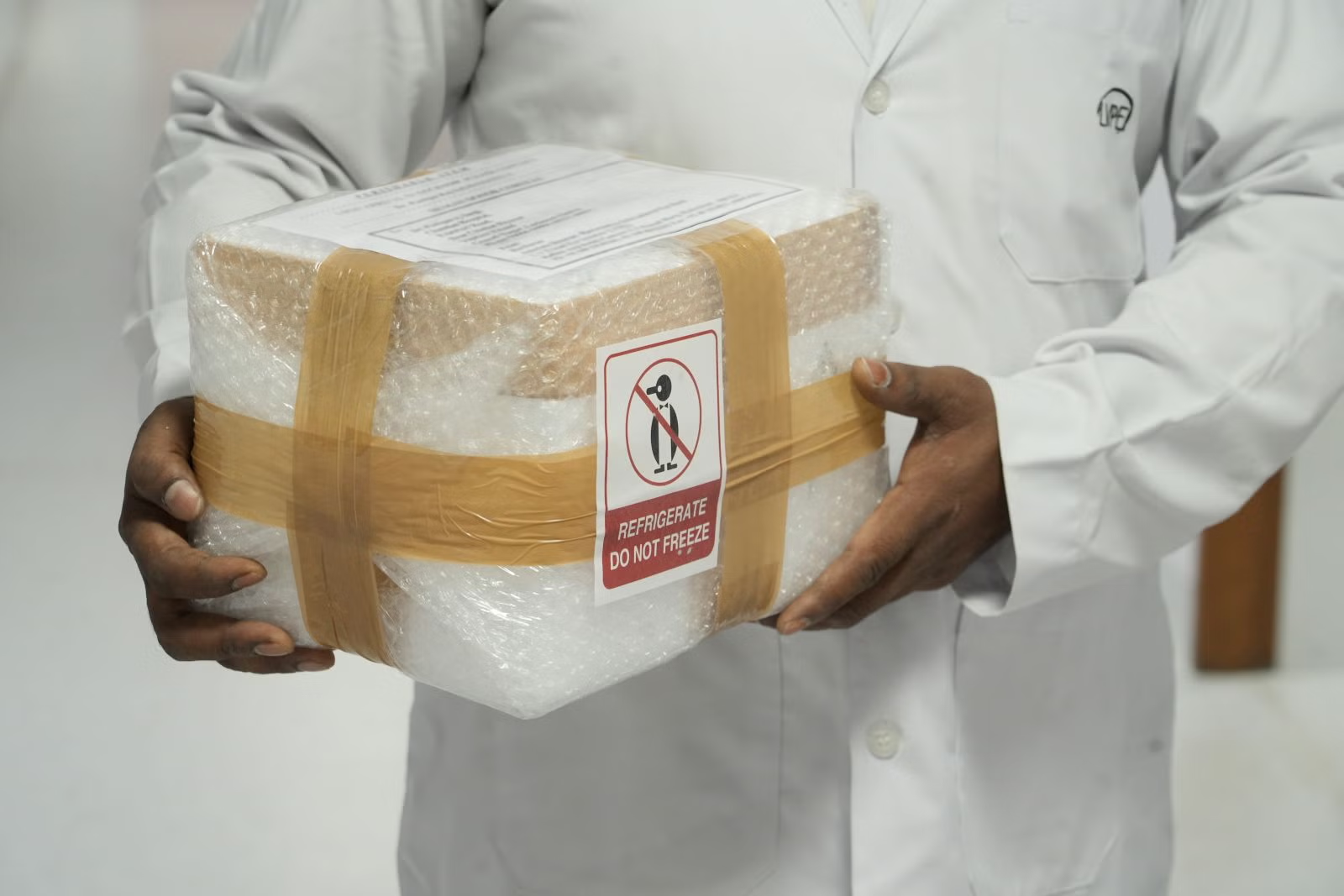 Insulated container carrying donated corneal tissue. Photo: Air India
Corneal donation can set off a time-sensitive chain involving families, eye bank coordinators, medical teams and transport providers. Once a family agrees to donation, the tissue is carefully recovered and preserved before being matched with a patient awaiting a transplant.
For eye banks operating across India's large geographic distances, transportation can be a significant challenge. Air India's support is designed to help bridge that gap, allowing donated corneas to travel between cities without adding transportation costs at a critical stage of the process.
Connecting Donors and Recipients
One example involves corneas recovered at L V Prasad Eye Institute's Ramayamma International Eye Bank in Hyderabad and destined for recipients connected with the Drushti Daan Eye Bank in Bhubaneswar.
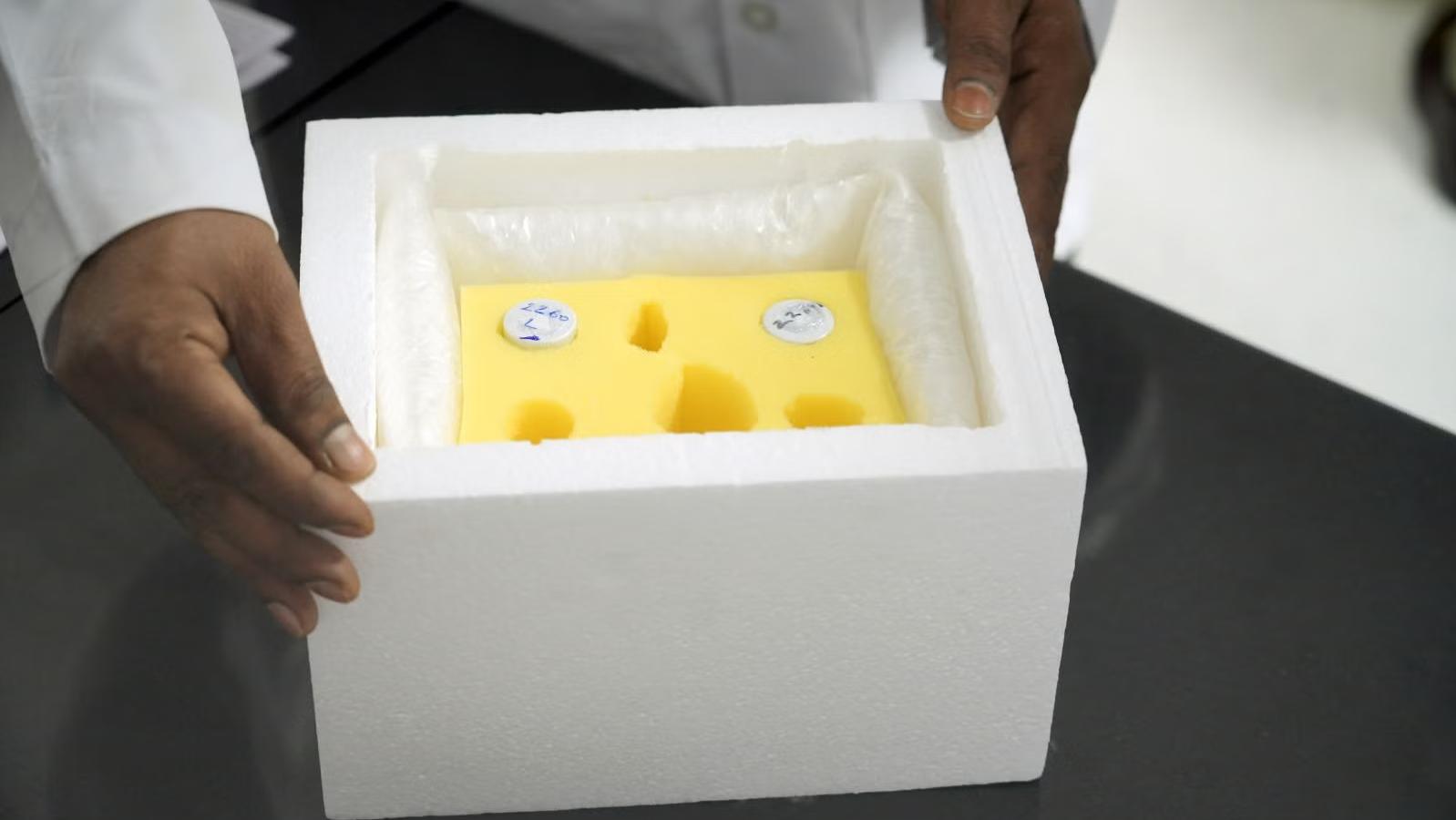
The donated tissue travels in an insulated container and is handled through a coordinated process involving eye bank personnel, airport teams, cargo handlers and airline staff.
 Preserved corneal tissue vial ready for transfer. Photo: Air India
While the shipment may appear routine to other passengers and airport visitors, its contents can represent an opportunity to restore sight for someone living with corneal blindness.
The partnership between Air India and EBAI aims to make these journeys more reliable and efficient, helping eye banks focus on the medical aspects of transplantation while the airline handles transportation.
431 Corneas Transported in One Year
The 431 corneas moved by Air India between April 2025 and March 2026 demonstrate the scale of the initiative. Each shipment represents a connection between a donor's final act of generosity and a recipient waiting for a potentially life-changing transplant.
The airline's role also forms part of its broader network connecting cities throughout India. By providing transportation without charge, Air India is helping remove a practical barrier that can otherwise complicate the movement of donated tissue over long distances.
The initiative highlights how aviation infrastructure can support medical services beyond conventional passenger and cargo operations.