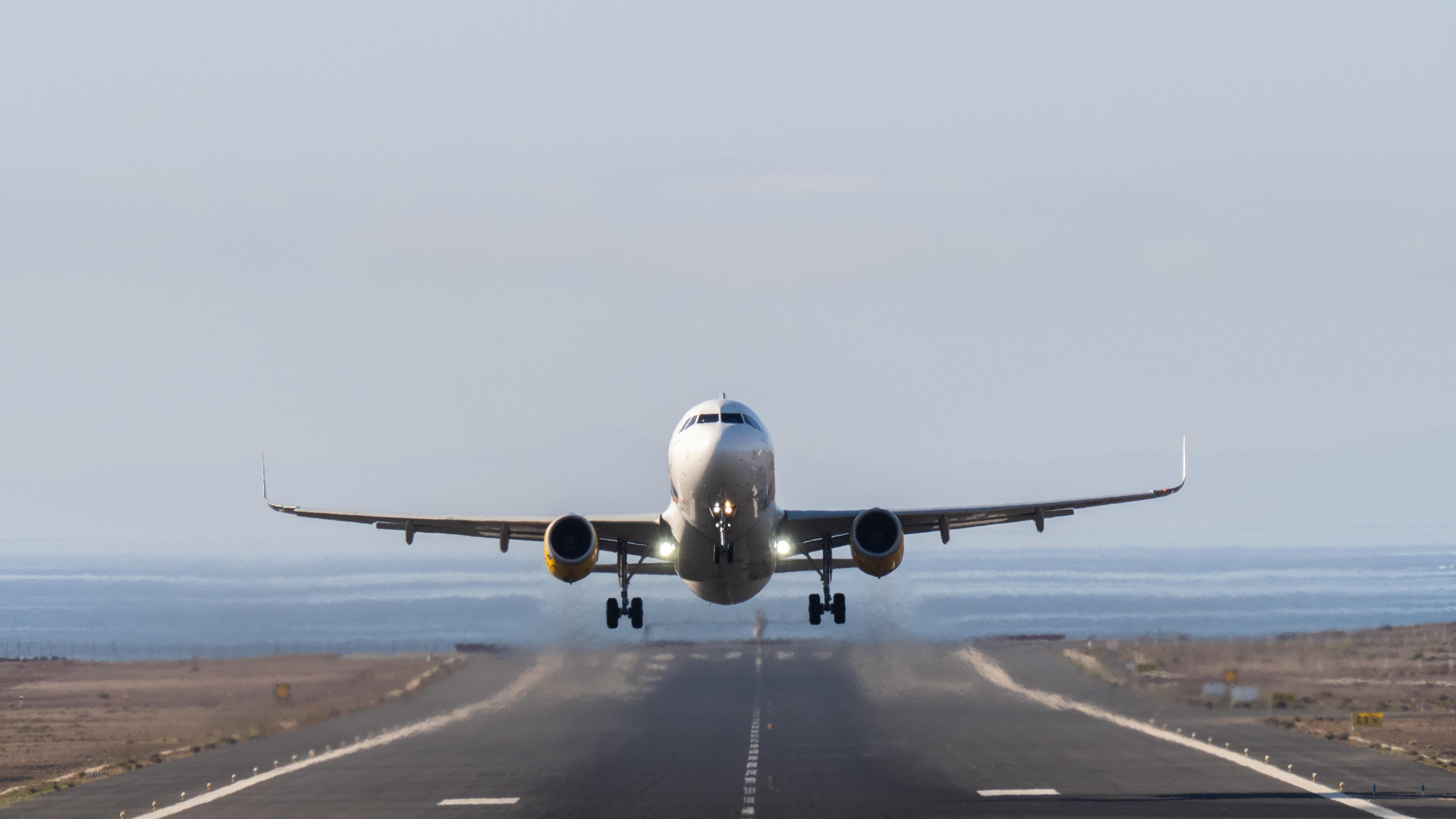
The U.S. Federal Aviation Administration (FAA) has successfully installed its 100th Surface Awareness Initiative (SAI). The important tool has not reached close to half of the 220 airports that are planned to receive the aircraft and vehicle surveillance system.
U.S. Transportation Secretary Sean P. Duffy described SAI as an important tool for improving runway efficiency while helping air traffic controllers maintain safe airport operations.
The system allows controllers to track aircraft and vehicles moving across an airport surface in real time. This can be particularly useful during poor weather or in situations where aircraft and ground vehicles are outside the control tower's direct line of sight.
“SAI is vital for controllers. It gives them the big picture of the airport’s surface right at their fingertips,” FAA Administrator Bryan Bedford said. He added that controllers need technology capable of matching their expertise as they manage increasingly complex airport operations.
SAI is now operational at 100 air traffic control towers across the United States. Among the latest airports to receive the technology are Ann Arbor Municipal Airport, Billings-Logan International Airport, Gulfport-Biloxi International Airport, Greenville-Spartanburg International Airport and Corpus Christi International Airport.
44 More Airports to Receive the Tool
The FAA plans to continue expanding the system, with installations scheduled at another 44 airports by the end of 2026.
SAI works by using Automatic Dependent Surveillance-Broadcast (ADS-B) data transmitted by aircraft and vehicles. The information gives controllers a real-time view of surface traffic, providing additional awareness of what is happening on runways and taxiways.
The deployment is part of a wider FAA effort to expand runway safety technology across the country's air traffic infrastructure. The agency says it has also tripled the pace of its Approach Runway Verification deployments, which are now operational at more than 260 air traffic facilities.
Another safety tool, the Runway Incursion Device, is currently operational at more than 56 air traffic control towers.
Duffy said the FAA intends to continue accelerating the rollout of surface surveillance technology. The agency is targeting all 220 towers that previously lacked surface surveillance capabilities, giving controllers an additional tool to monitor aircraft and vehicles and support safer runway operations.
The latest milestone comes as the United States is investing $615 million in airport infrastructure improvements across 42 states and two U.S. territories, with projects ranging from runway rehabilitation and taxiway upgrades to new terminals and passenger facilities.