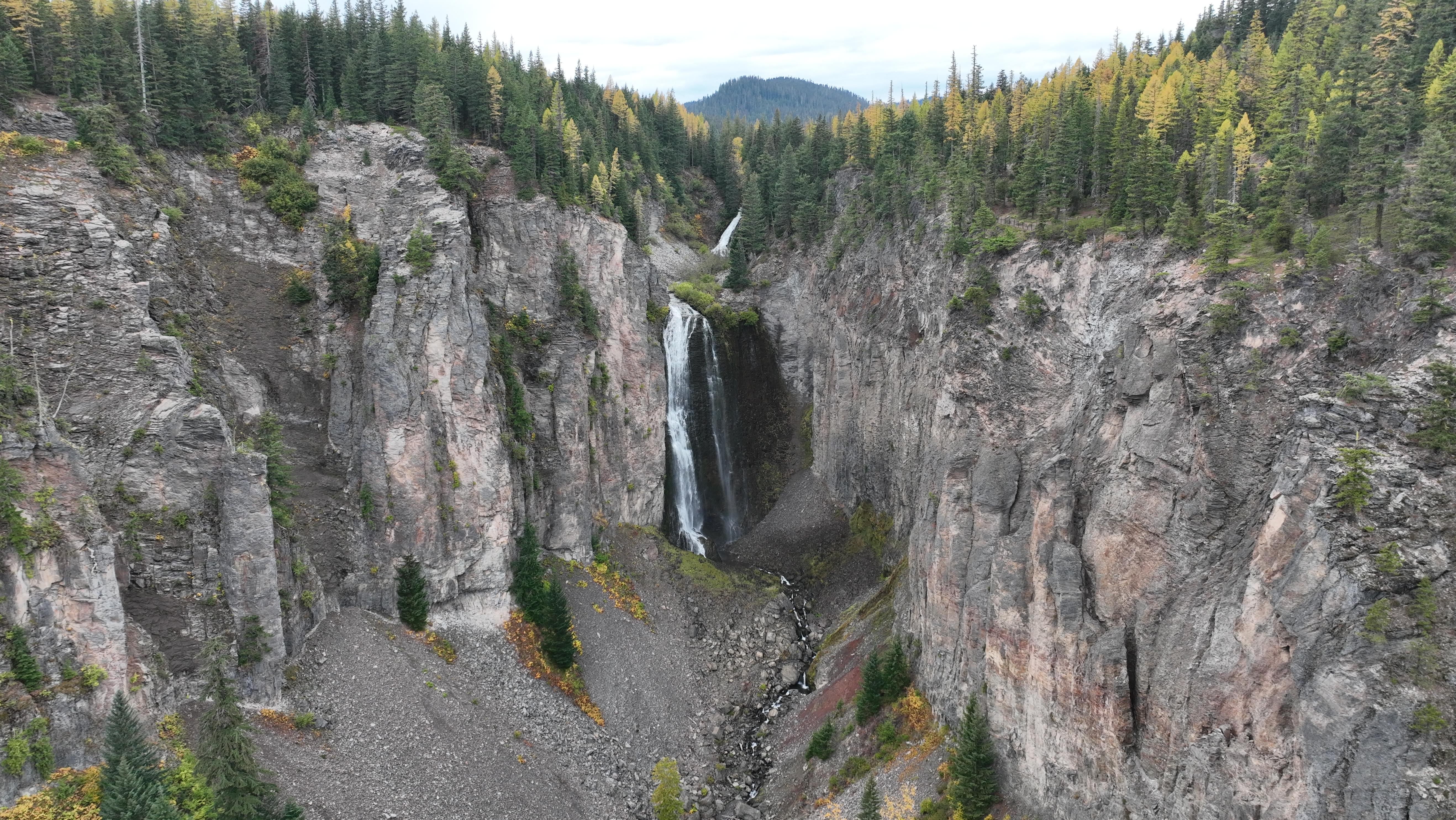
While millions worldwide rely on Artificial Intelligence to plan trips, real-world rescues are revealing the risks of blindly trusting the technology.
One recent example involves three novice hikers rescued on Mount Shasta, California's fifth-highest peak, after reaching the summit several hours past the recommended turnaround time, descending in darkness and eventually becoming stranded in dangerous terrain.
The Siskiyou County Sheriff’s Office said its Search and Rescue team assisted U.S. Forest Service Climbing Rangers on August 31 after the three men from Roseville, California, became stranded on the Clear Creek Route. They used Artificial Intelligence to plan their route and supplies.
How Things Went Down
The hikers set up camp at about 8,400 feet on Saturday, August 29. The following morning, they left camp at 3 a.m. carrying daypacks and began their climb toward the Mount Shasta summit.
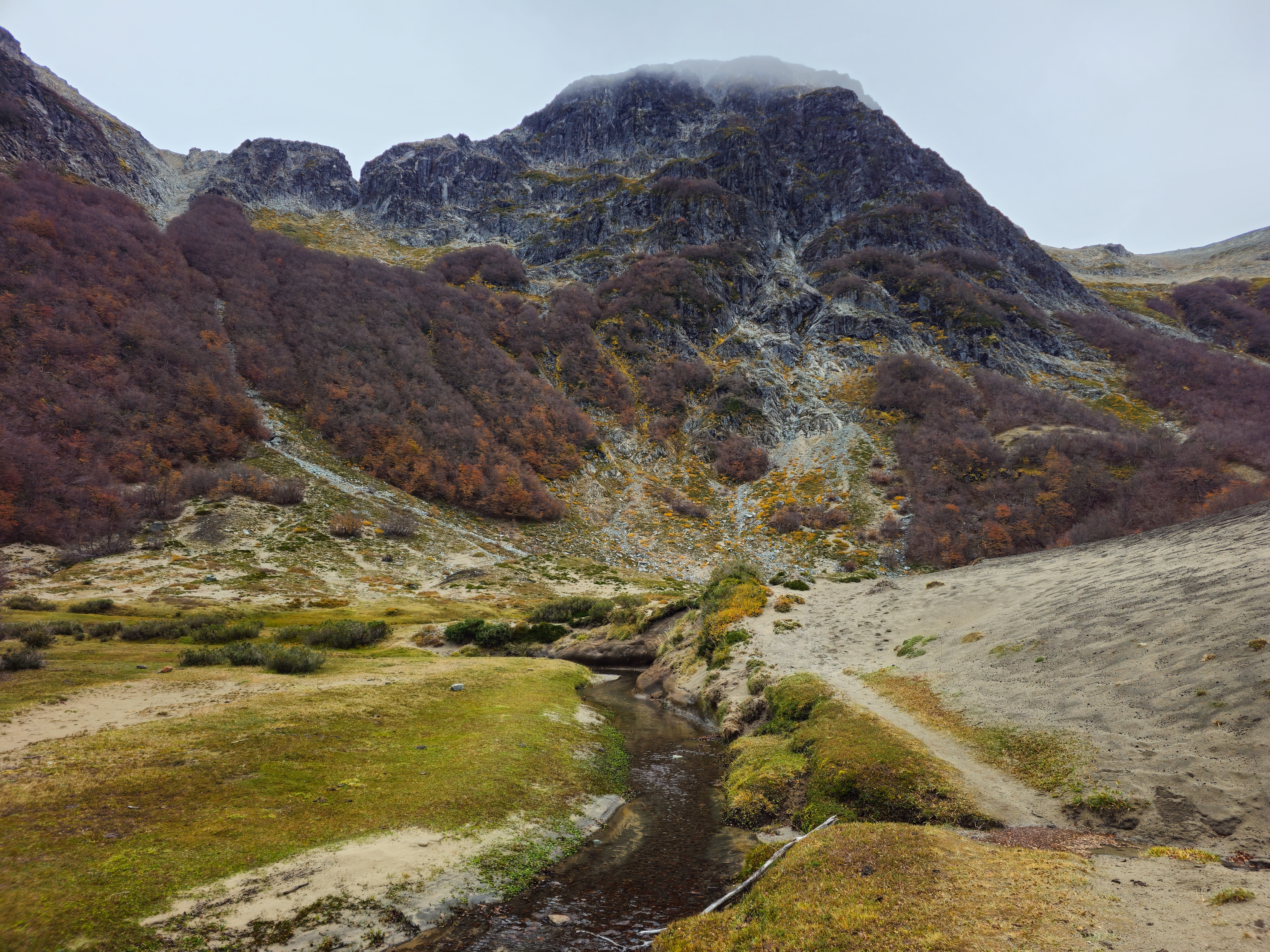 Clear Creek. Photo: Shutterstock
They eventually reached the summit at around 7 p.m., seven hours after the recommended 12 p.m. turnaround time.
The group began descending in the dark. About an hour into the descent, the hikers contacted the Siskiyou County Sheriff’s Office dispatch center seeking directions. They eventually wandered off route and entered Mud Creek Canyon.
Later that night, one of the men fell and injured his knee. The three could not safely continue and were forced to spend the night in the steep drainage.
USFS Climbing Rangers located the hikers the following morning and provided medical assistance. Siskiyou County Search and Rescue volunteers were then deployed to help with the operation.
Fortunately, all three hikers and the rescue teams returned to the trailhead without further incident.
They Used Gemini to Prepare for the Trip
After the rescue, the hikers told a sheriff’s deputy that they had relied heavily on Google’s Gemini artificial intelligence tool when preparing for the trip. According to the sheriff’s office, the men used Gemini for route information and advice on what supplies to pack.
The sheriff’s office said Gemini advised the hikers to bring substantially less food and water than their group needed. That became particularly important when their planned eight-hour ascent turned into an unexpected multi-day ordeal after they became stranded.
Officials used the incident to warn hikers against relying solely on artificial intelligence when planning trips in mountainous areas. The sheriff’s office recommended contacting the local US Forest Service Mount Shasta Ranger Station before setting out to obtain current and reliable information about routes and conditions.
Gemini notes that the AI model “can make mistakes,” thus warning users to double-check the information they receive and use discretion before relying on the answers.
The 12 P.M. Turnaround Rule
The rescue also highlighted the importance of Mount Shasta’s 12 p.m. turnaround rule. Hikers who have not reached the summit by noon are advised to turn around while there is still sufficient daylight for them, or a potential rescue team, to safely navigate the route.
Authorities also encouraged hikers to carry multiple navigation methods instead of depending entirely on a cellphone or Garmin device. Hikers should regularly stop and confirm that they remain on the correct route.
Not an Isolated Case
The Mount Shasta incident is not the first recent case in which technology and AI-assisted trip planning have been linked to problems in the outdoors.
In July 2026, two Lithuanian hikers were reportedly evacuated by helicopter from Poland’s Tatra Mountains after following route advice from an AI chatbot, according to the Tatra Volunteer Search and Rescue Service (TOPR).
The hikers became stuck in difficult, exposed terrain and eventually called rescuers for help.
In July 2024, a driver in Utah got stranded on a mountain after Google Maps suggested a shortcut that led him to a rugged dirt road.