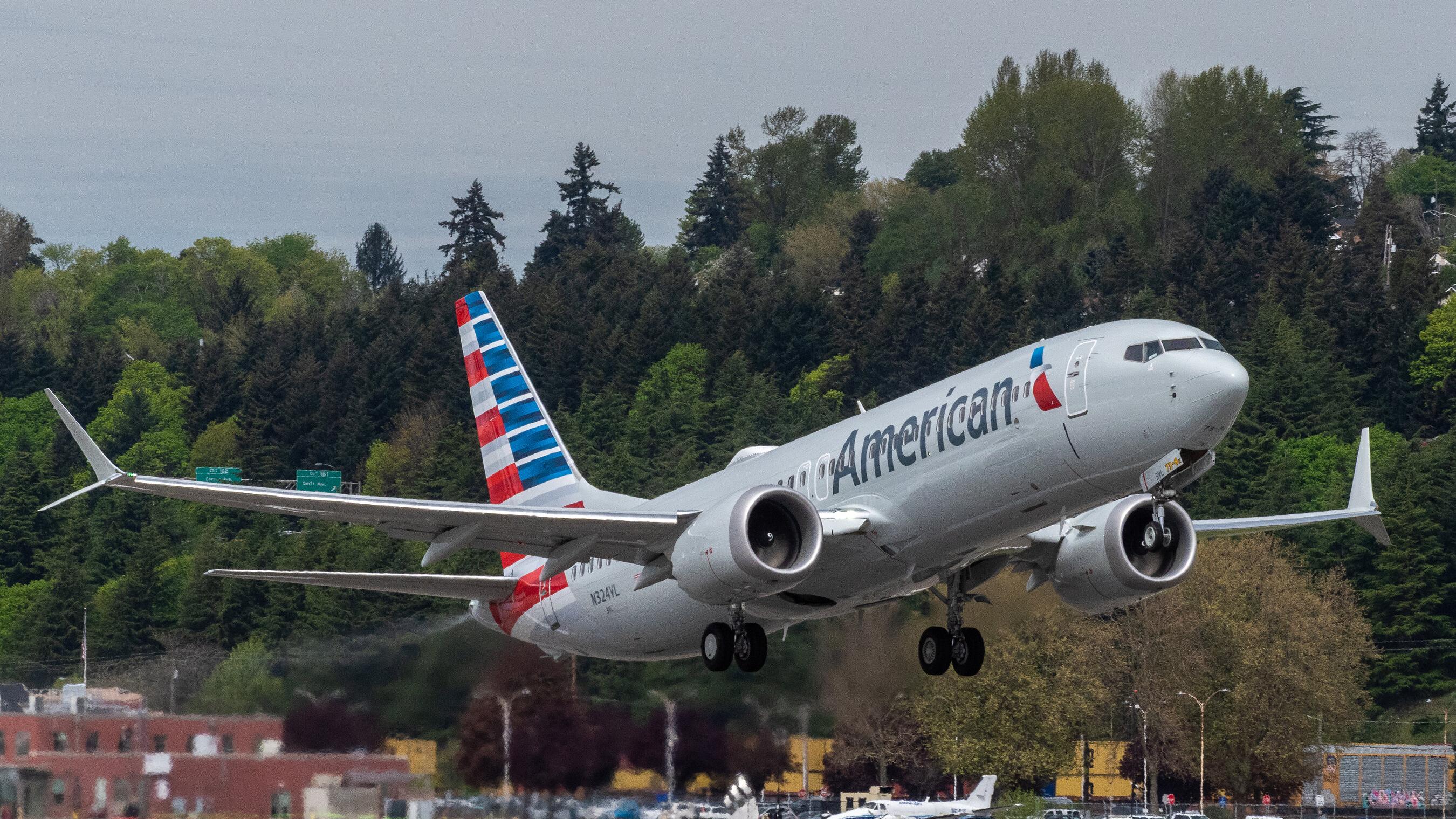
Boeing and American Airlines have completed the first landing gear exchange on a 737 MAX, extending Boeing’s long-running Landing Gear Exchange Program to the latest generation of its single-aisle aircraft.
Cutting Aircraft On-Ground Time
The exchange, completed September 14, validates Boeing’s process of supplying fully overhauled and Boeing-certified landing gear assemblies that are ready to install. The approach is designed to reduce aircraft on-ground time while giving airlines an alternative to purchasing and storing expensive spare landing gear.
For the completed exchange, Boeing supplied overhauled and certified main and nose landing gear assemblies along with installation kits. Wheels, tires and brakes were excluded from the package.
The exchange covered the complete process, from technical overhaul and documentation through certification and delivery. Boeing said the successful swap demonstrates that the model can be applied consistently to the 737 MAX fleet.
"Predictable, Safe and Cost-Effective Outcomes"
The Landing Gear Exchange Program lets airlines replace landing gear through a forward exchange rather than carrying out a lengthy overhaul while the aircraft remains on the ground. Instead of keeping costly spare assemblies in inventory, operators can reserve exchange slots and receive certified replacement gear when needed.
Boeing manages the technical overhaul, applicable service bulletin incorporation, certification and coordination with suppliers. The company says this can also transfer inventory and obsolescence risks away from airlines while helping improve maintenance planning.
“This milestone reinforces what our customers have known for years: Boeing’s Landing Gear Exchange capability delivers predictable, safe and cost-effective outcomes,” said William Ampofo, senior vice president, Parts & Distribution and Supply Chain at Boeing Global Services. “Extending the program to the 737 MAX gives operators another proven tool to shorten downtime, manage costs and align heavy maintenance with operational needs.”
Boeing is now working to expand the program’s availability. The company plans to increase its inventory of 737 MAX-capable exchange assemblies, add forward exchange slots closer to customer operations, and expand overhaul capacity through certified MRO partners.
The company also intends to track operational data as the program grows, including downtime and cost benefits for participating airlines.
The move comes as airlines increasingly look for ways to improve fleet availability while limiting capital tied up in spare parts. Landing gear maintenance can require significant planning, so having ready-to-install certified assemblies may be useful for operators managing busy aircraft fleets.
The American Airlines exchange provides the first operational demonstration of Boeing’s expanded program on the 737 MAX. Boeing said the objective is to offer operators a more predictable maintenance option while reducing the risk of extended aircraft groundings.
The company plans to increase geographic availability and shorten lead times as the program expands, working with its MRO network and building additional MAX capable exchange inventory.