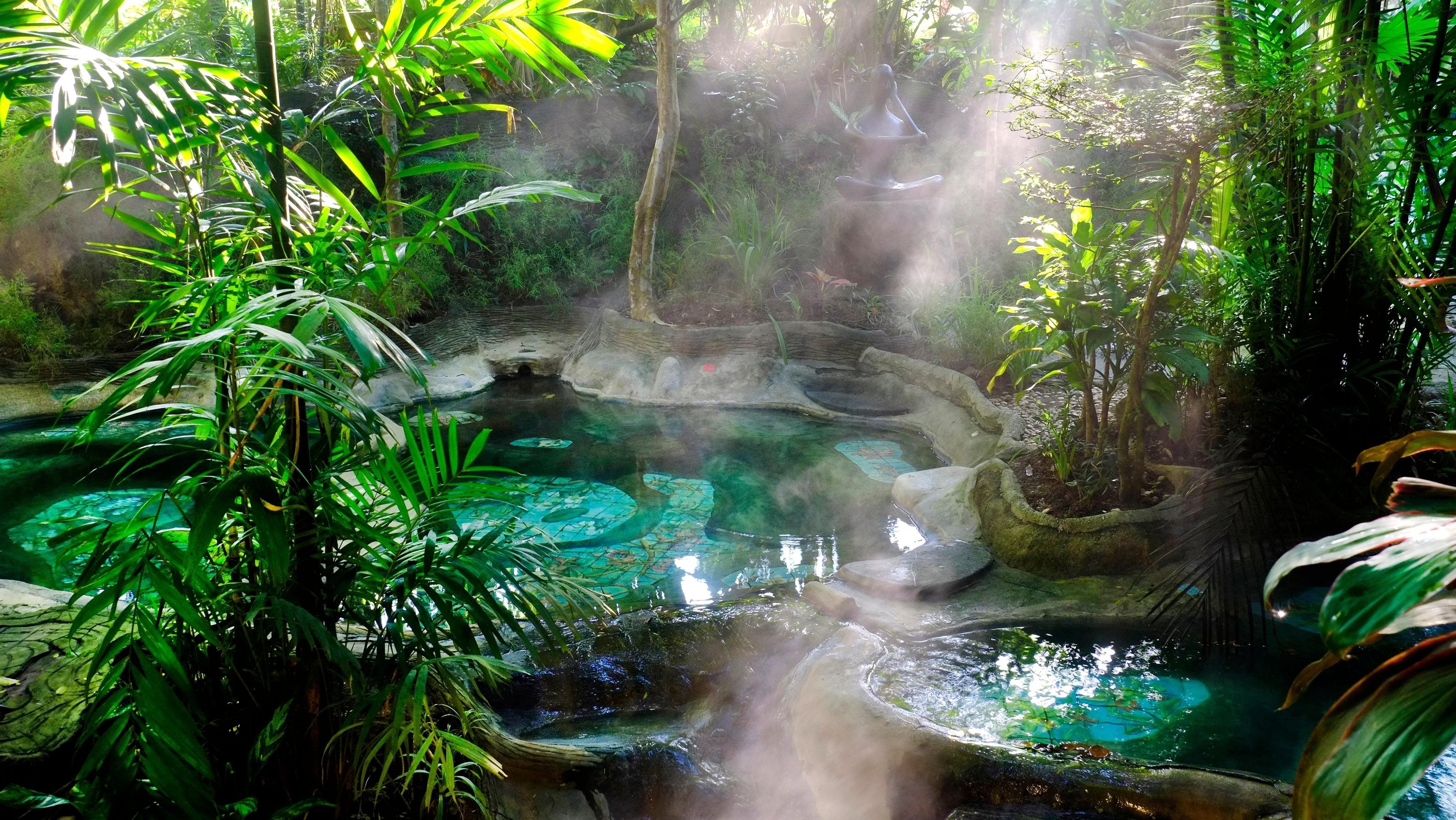
Thailand is trying a different approach to tourism in Krabi, where limestone cliffs, mangrove forests, hot springs and fishing communities are being brought together under a sustainable tourism model known as the Krabi Prototype.
Developed by the Tourism Authority of Thailand (TAT), the initiative is designed to test how a major destination can attract visitors while giving greater attention to conservation, local communities and wellbeing.
 Phi Phi Islands. Photo: Shutterstock
Krabi was selected because it already attracts international visitors to places including Railay Beach, the Phi Phi Islands and the province's hot springs. Rather than treating sustainability as a separate tourism product, TAT is using the province to demonstrate how it can become part of the wider visitor experience.
TAT Governor Thapanee Kiatphaibool has described the approach as a balance between protecting natural and cultural resources and ensuring that tourism benefits local communities.
The concept gained international attention in September 2025, when Krabi and Bangkok hosted the Global Meaningful Travel Summit with Tourism Cares, a nonprofit organization focused on sustainable tourism.
Wellness Becomes Part of the Experience
The Krabi Prototype also fits into TAT's broader “Healing is the New Luxury” tourism messaging.
The idea is to position wellbeing around experiences such as nature, quiet surroundings and time away from crowded environments rather than focusing solely on traditional luxury.
Krabi provides plenty of options that fit this approach. Visitors can soak in the mineral-rich pools of Khlong Thom Hot Springs, explore mangrove forests or spend time around the province's islands and coastal communities.
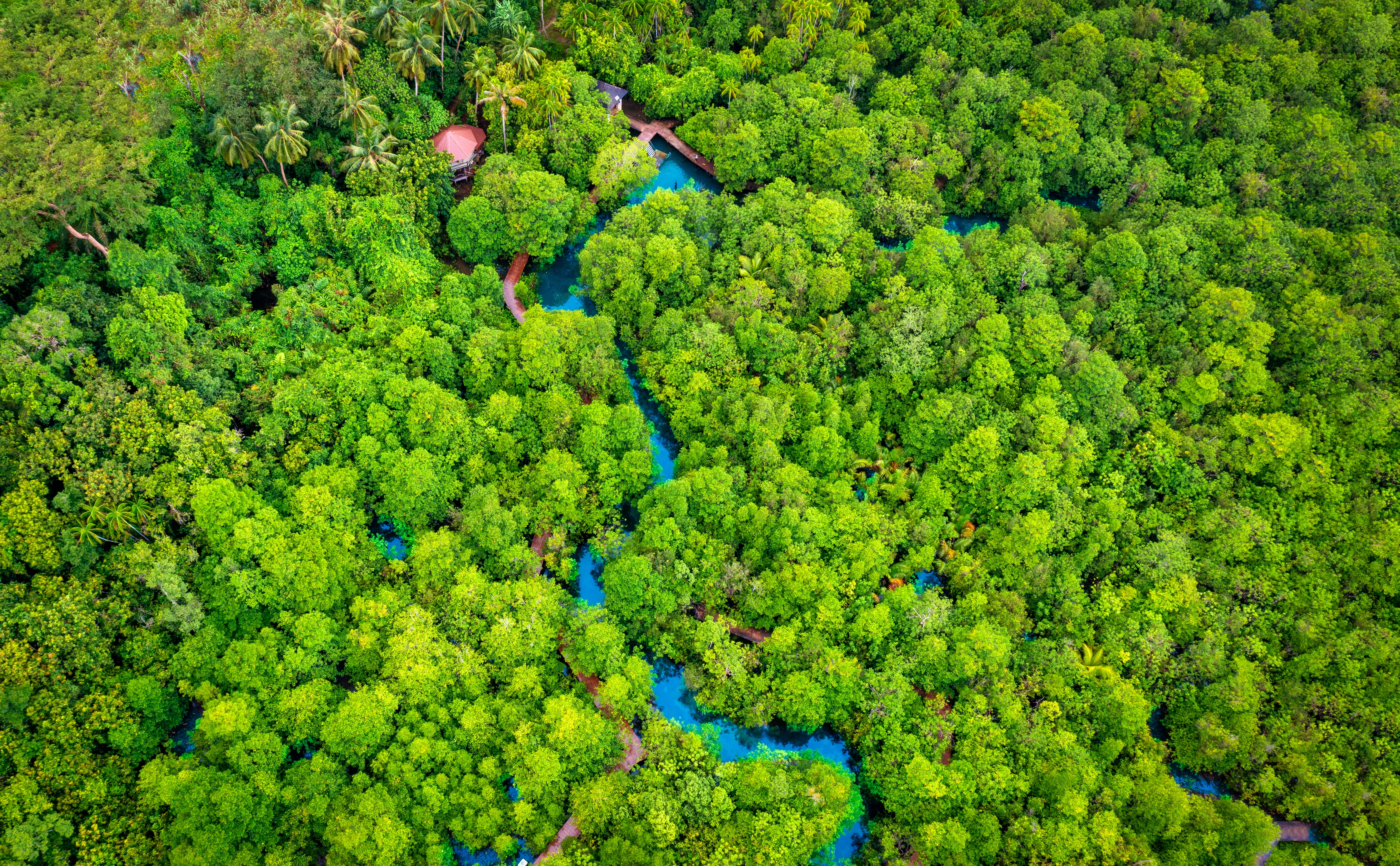 Mangrove forest in Thailand. Photo; Shutterstock
In Ban Thung Yee Peng, community-led mangrove tours combine kayaking with information about coastal ecosystems. Around Ko Ngai, marine conservation initiatives give visitors opportunities to learn about reef protection and coral restoration.
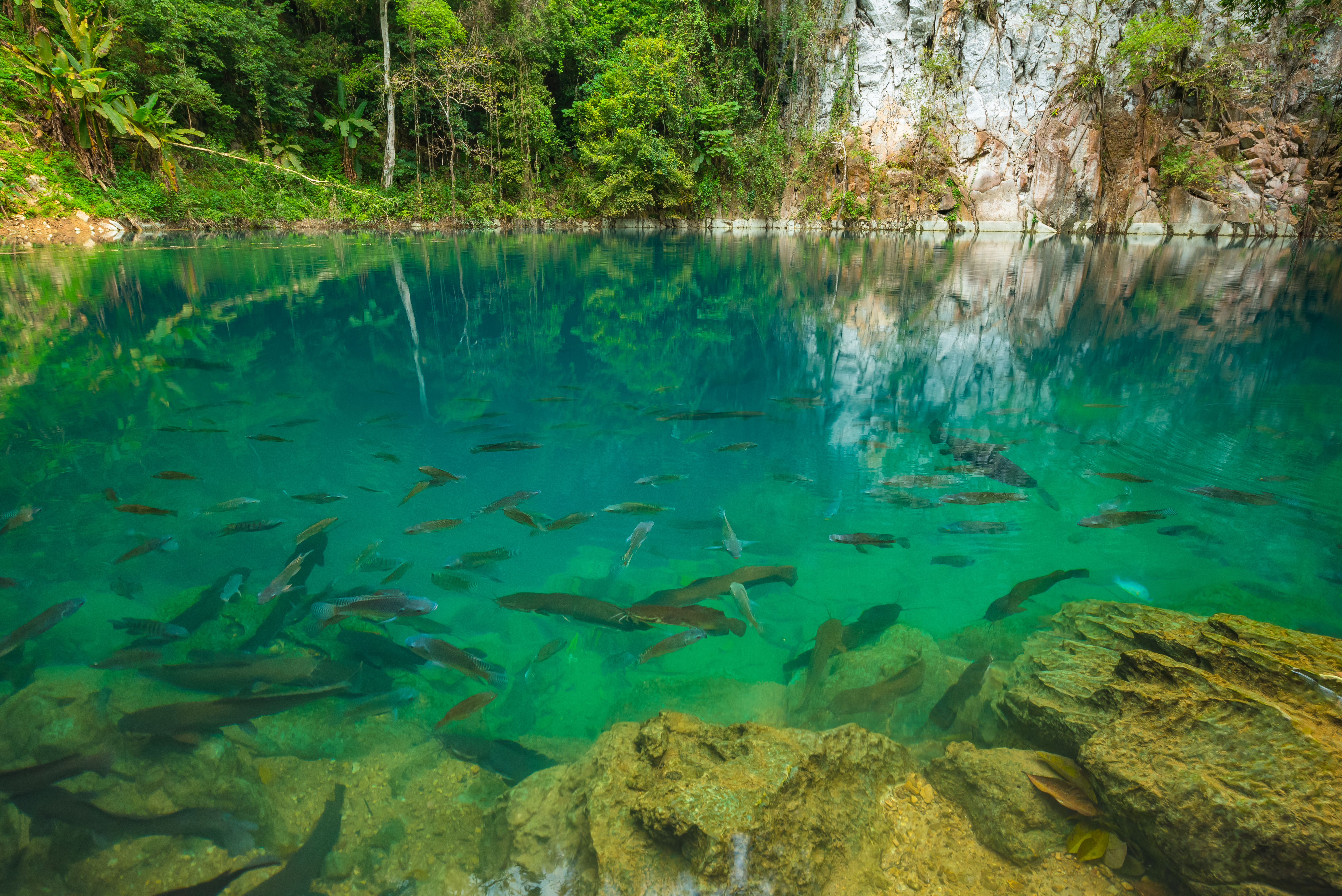 Thailand. Photo: Shutterstock
Communities including Laem Sak and Ko Klang offer another side of the province, with experiences centred on local seafood, traditional weaving and boat trips.
Even activities around Krabi's famous limestone landscapes are increasingly being offered through operators working with environmental and low-impact tourism practices.
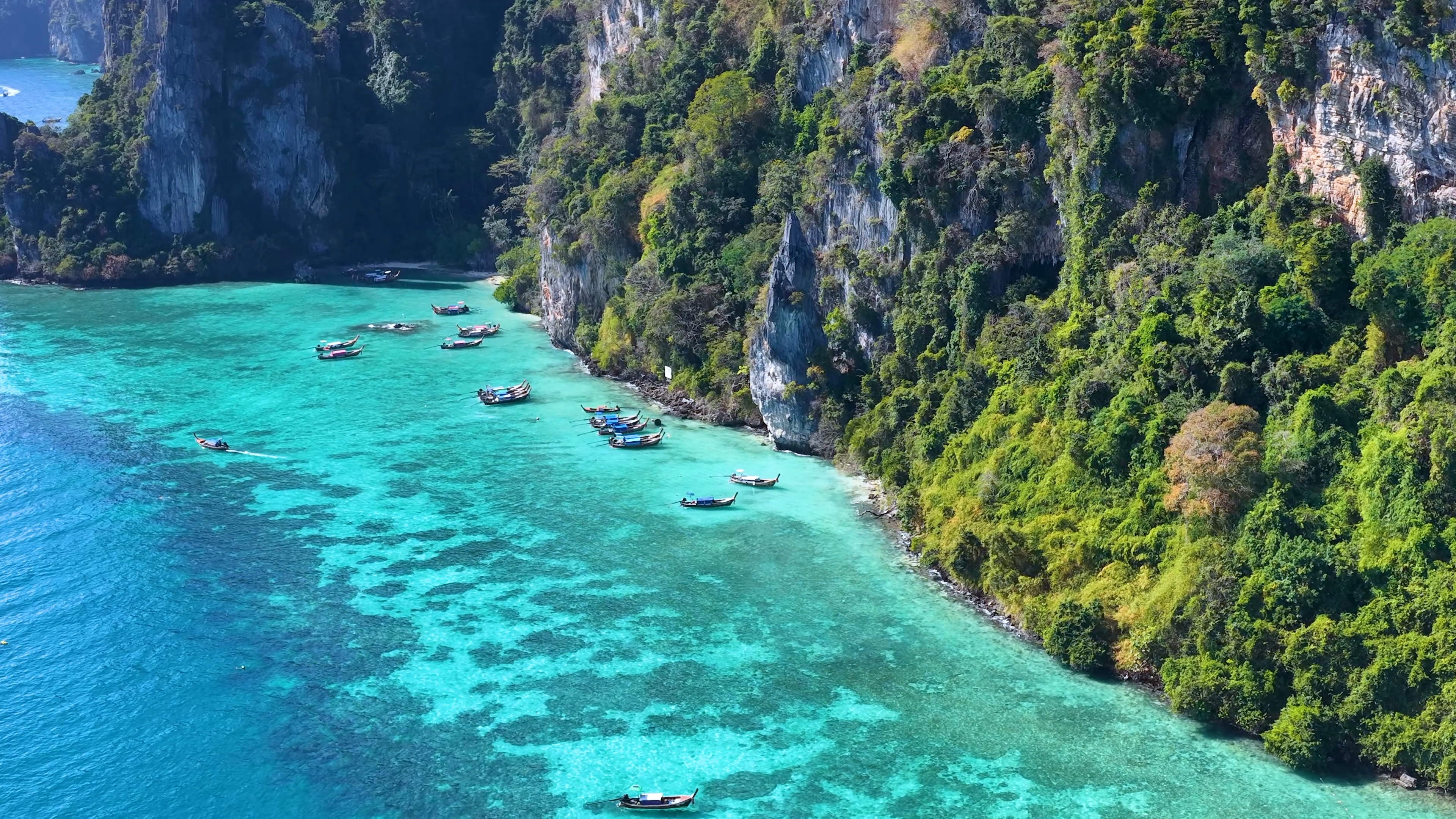 Limestone cliffs in Krabi. Photo; Shutterstock
The result of the test could be a tourism model that asks visitors to spend less time simply moving between famous attractions and more time engaging with the communities and environments around them.