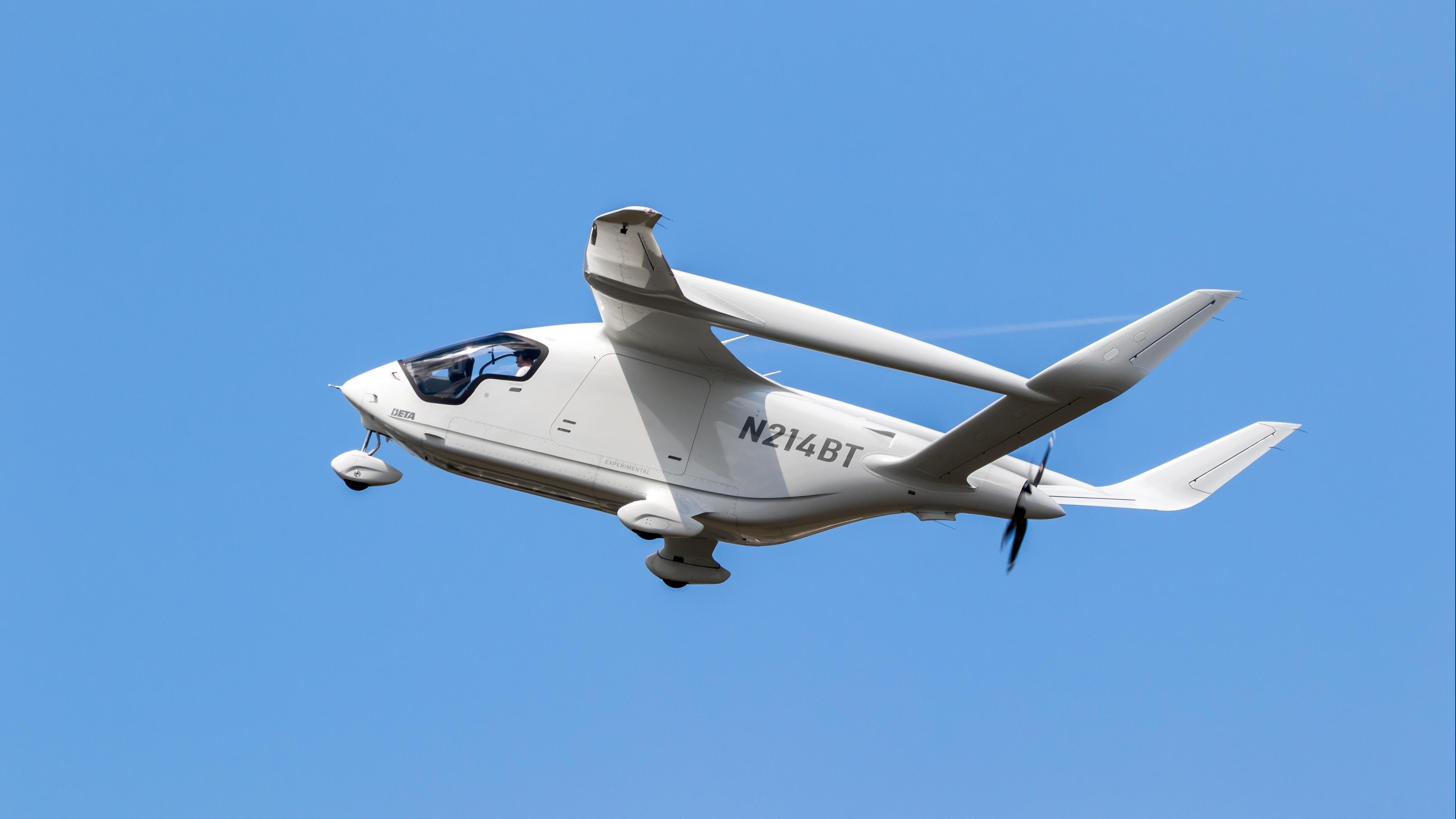
North Carolina has begun testing next-generation aircraft under a new federal pilot program designed to examine how electric aircraft, autonomous technology and other advanced aviation systems could eventually operate in the U.S. airspace.
The state is the fifth location to launch under the U.S. Department of Transportation’s Advanced Air Mobility Integration Pilot Program, known as eIPP. The program is intended to generate real-world operational data that can help the Federal Aviation Administration develop future rules for advanced air mobility.
The North Carolina project, known as eLIFT-NC, brings together the North Carolina Department of Transportation, Joby Aviation and BETA Technologies. The program is focused on regional transportation, medical logistics and disaster response, with operations connecting smaller airports, healthcare facilities and larger aviation hubs.
16 Medical and Disaster Response Missions, Completed
The first demonstrations have already taken place. Joby’s remotely piloted J208 flew from Dare County Regional Airport to Raleigh-Durham International Airport, while BETA’s electric ALIA aircraft completed flights connecting Raleigh Executive Jetport, Pitt-Greenville Airport and Dare County Regional Airport.
BETA said its aircraft completed more than 16 medical and disaster-response missions during the week, carrying a field medical station and supplies between locations in central and coastal North Carolina. The company said the flights are intended to demonstrate how electric aircraft could eventually help move medical supplies, specialists and other critical resources between communities.
The eLIFT-NC program is broader than passenger transport. According to NCDOT, potential applications include moving medical supplies and medication between healthcare facilities, transporting patients to specialist care, disaster response, hospital-at-home services and eventually electric air ambulance operations.
The aircraft currently being used in the first phase are not yet autonomous passenger aircraft. NCDOT says the initial operations use the Joby J208 CTOL and BETA CX300 eCTOL, with licensed pilots onboard. Later phases are expected to move toward vertical takeoff and landing operations.
8 Projects, 28 US States
The federal pilot program was launched in March with eight selected projects covering 28 states. The projects are testing several applications, including urban air taxis, regional passenger services, cargo and logistics, emergency medical operations and autonomous flight technologies.
The data gathered from these demonstrations will be used by the FAA and other authorities as they work on the regulatory framework for advanced air mobility. NCDOT says participating aircraft are operating under FAA-approved procedures, while manufacturers continue pursuing full aircraft certification.
North Carolina plans to continue test flights through the rest of 2026. The state's project is also intended to examine the infrastructure needed for wider adoption, including charging systems, landing facilities and the digital systems required to support future advanced air mobility operations.