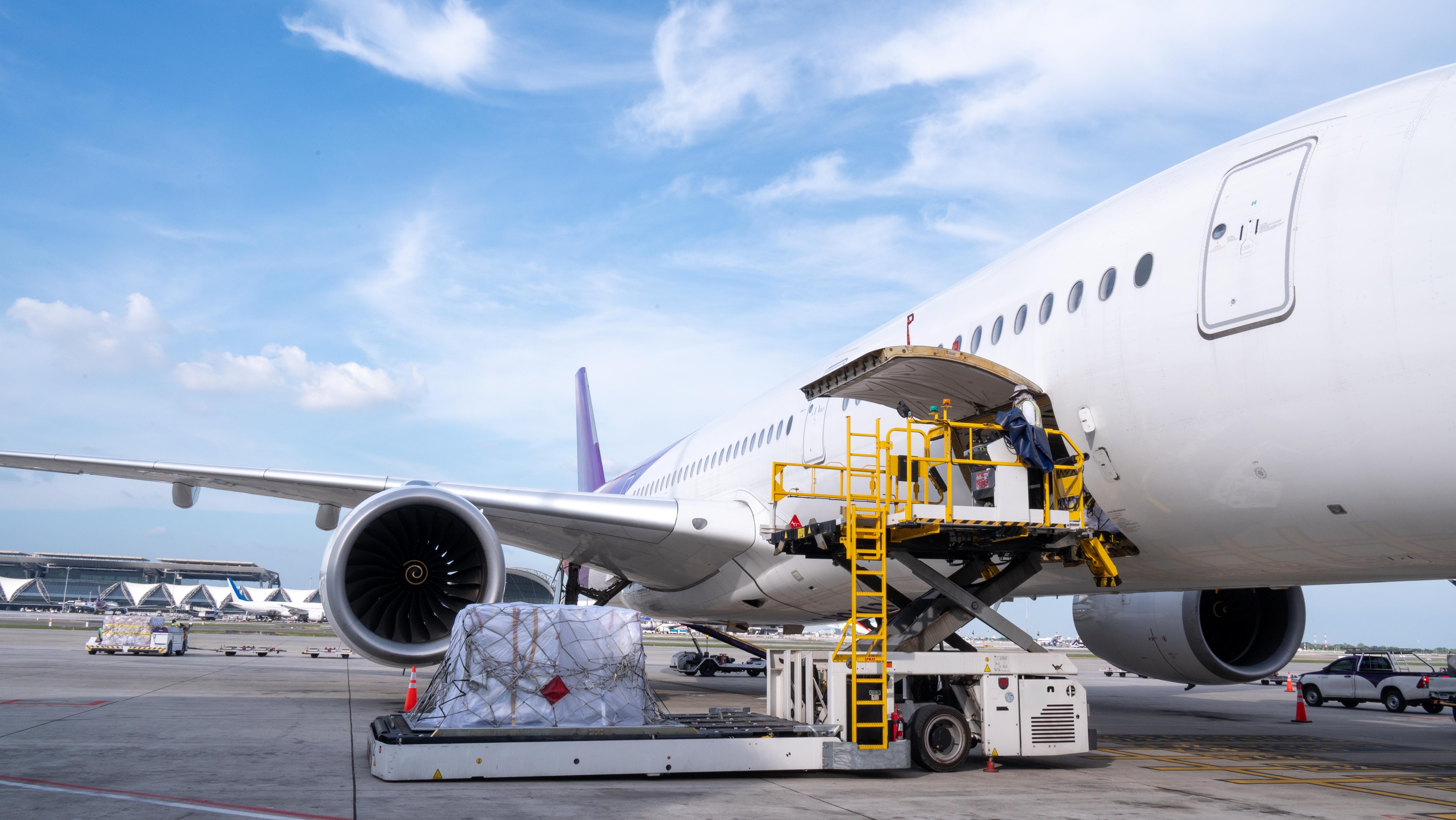
The International Air Transport Association (IATA) is calling for a broader approach to dangerous goods in air cargo, warning that airport security screening alone cannot address the growing risk posed by shipments that are undeclared or incorrectly declared.
Lithium Batteries Lead the Top
IATA says around 80% of dangerous goods incidents reported to the association during the first half of 2025 involved goods that were undeclared or hidden.
Lithium batteries were among the products most frequently identified, along with concealed items such as e-cigarettes and aerosols.
The issue is becoming increasingly important as more potentially hazardous products move through global air cargo networks, particularly with the continued growth of lithium battery shipments.
Dangerous goods can be transported safely by air when they are properly identified, packaged, labeled and declared under established regulations. The problem arises when products enter the cargo system without the required information or are incorrectly described.
IATA's latest warning comes as regulators discuss the role of existing aviation security screening systems in detecting dangerous goods.
Screening Is Good, But Not Enough
The association says screening remains an important layer of protection, but its primary purpose is to identify security threats such as explosives rather than the full range of hazardous materials that can be carried as cargo.
“Security screening, which is primarily focused on terror threats, is one layer of protection against rogue shippers, but it is not a complete solution,” said Brendan Sullivan, IATA's Global Head of Cargo. He called for a multi-layered approach that begins as far upstream in the supply chain as possible.
That would mean identifying potentially dangerous shipments before they reach the airport rather than relying mainly on screening at the final stages of the cargo process.
Every Part of the Supply Chain Should Get Involved
In a new white paper, “Safety and Security in the Cargo Supply Chain,” IATA sets out responsibilities for different parts of the industry.
Governments are being asked to strengthen oversight and enforcement of dangerous goods requirements. Manufacturers and online marketplaces should ensure products are correctly identified, certified where required and accompanied by accurate information.
Shippers, freight forwarders and postal operators are being encouraged to strengthen training and acceptance procedures while making greater use of customer and shipment data to identify higher-risk cargo.
Airlines and ground handlers, meanwhile, should strengthen checks before cargo is loaded onto aircraft.
IATA also wants airports to improve coordination and information sharing among the different companies and organizations involved in the cargo process.
The proposal reflects a wider shift toward treating cargo safety as a shared responsibility rather than an issue that can be addressed primarily at the airport.
IATA has previously warned that undeclared and mis-declared lithium batteries remain a significant safety concern as shipments increase. Its dangerous goods framework requires consignors to certify that hazardous cargo has been properly packed, labeled and declared.
For passengers, the issue may remain largely invisible. But for airlines, airports and cargo companies, identifying hazardous shipments before they reach an aircraft is a critical part of preventing fires, damage and other potentially serious incidents.