No Rope: Marriott Backs Groundbreaking Fishing Technology to Protect Endangered Wildlife
No Rope: Marriott Backs Groundbreaking Fishing Technology to Protect Endangered Wildlife
No Rope: Marriott Backs Groundbreaking Fishing Technology to Protect Endangered Wildlife
Marriott is supporting a Massachusetts pilot testing ropeless lobster gear designed to reduce fishing-line risks to endangered whales and marine wildlife
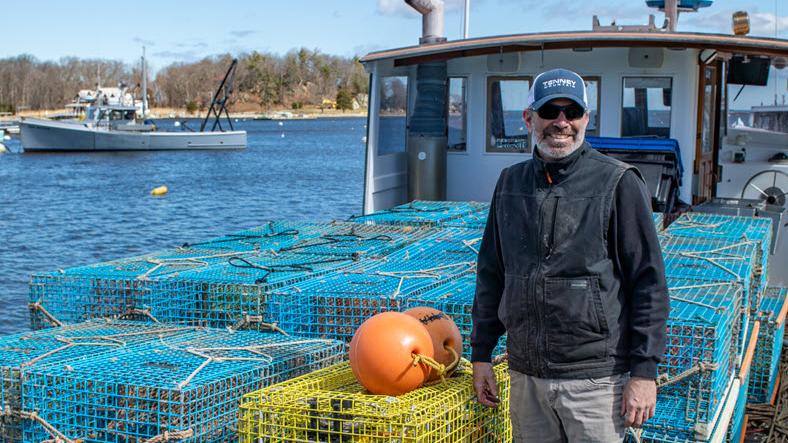
Mike Lane, lobsterman. Photo Credit: Vanessa Kahn/New England Aquarium
Marriott International is supporting a pilot project in Massachusetts that is testing new ways to source American lobster while reducing the risk of fishing gear becoming entangled with endangered marine wildlife.
The hotel group is collaborating with the BalanceBlue Lab at the New England Aquarium on a program that supports Massachusetts lobstermen testing on-demand, or ropeless, fishing equipment.
Traditional lobster traps are connected to surface buoys by vertical lines. While the system allows fishermen to locate and retrieve their gear, those lines can also pose an entanglement risk to North Atlantic right whales and other marine animals.
Scientists estimate that fewer than 400 North Atlantic right whales remain, with entanglement in fishing gear among the threats facing the species.
WATCH VIDEO (SOURCE: NEW ENGLAND AQUARIUM / YOUTUBE):
Ropeless systems are designed to eliminate the vertical line from the water column during fishing. Instead of leaving a buoy and rope connected to each trap, fishermen can use equipment that allows the gear to be located and retrieved when needed.
The Massachusetts pilot is giving participating lobstermen an opportunity to test the technology while also tracing their catch through the marketplace and promoting lobster harvested using methods intended to reduce risks to marine wildlife.
For Marriott, the project fits into its broader focus on responsible sourcing and culinary innovation.
“Seafood reaches our kitchens is important, and understanding how to source responsibly and how to help industries evolve is one way we can use our scale to advance more sustainable solutions,” said Stephen Toevs, Marriott's vice president of Culinary, Global Operations.
The initiative also has a connection to Marriott's Boston operations. Michael Panasuk, executive chef at the Boston Marriott Copley Place, has been involved in supporting innovation around lobster sourcing and fishing gear.
American lobster is closely associated with New England's food culture, making the issue particularly relevant for hotels and restaurants serving the region's seafood.
“American lobster is such an important part of New England's culture and culinary identity,” Panasuk said. “This pilot can help inform the innovations needed to shape a more responsible future.”
The project also highlights the economic side of the transition. Lobster fishing remains an important source of income for coastal communities throughout New England, meaning new fishing methods need to work for fishermen as well as the environment.
Mike Lane, one of the Massachusetts lobstermen participating in the pilot, said testing equipment that can help protect whales while allowing fishermen to continue working could benefit the industry.
The pilot is part of Marriott's Serve 360 sustainability and social impact platform. The company says the project is intended to explore how responsible seafood sourcing, technological innovation and the future of fishing communities can work together.
For now, the program remains a pilot rather than a wholesale replacement of traditional lobster-fishing equipment. Its results could help inform wider discussions about how emerging fishing technology can be used while maintaining access to one of New England's best-known seafood products.
We and our partners use cookies to enhance your website experience, learn how our site is used, offer personalised features, measure the effectiveness of our services, and tailor content and ads to your interests while you navigate on the web or interact with us across devices. By clicking "Continue" or continuing to browse our site you are agreeing to our and our partners use of cookies. For more information see