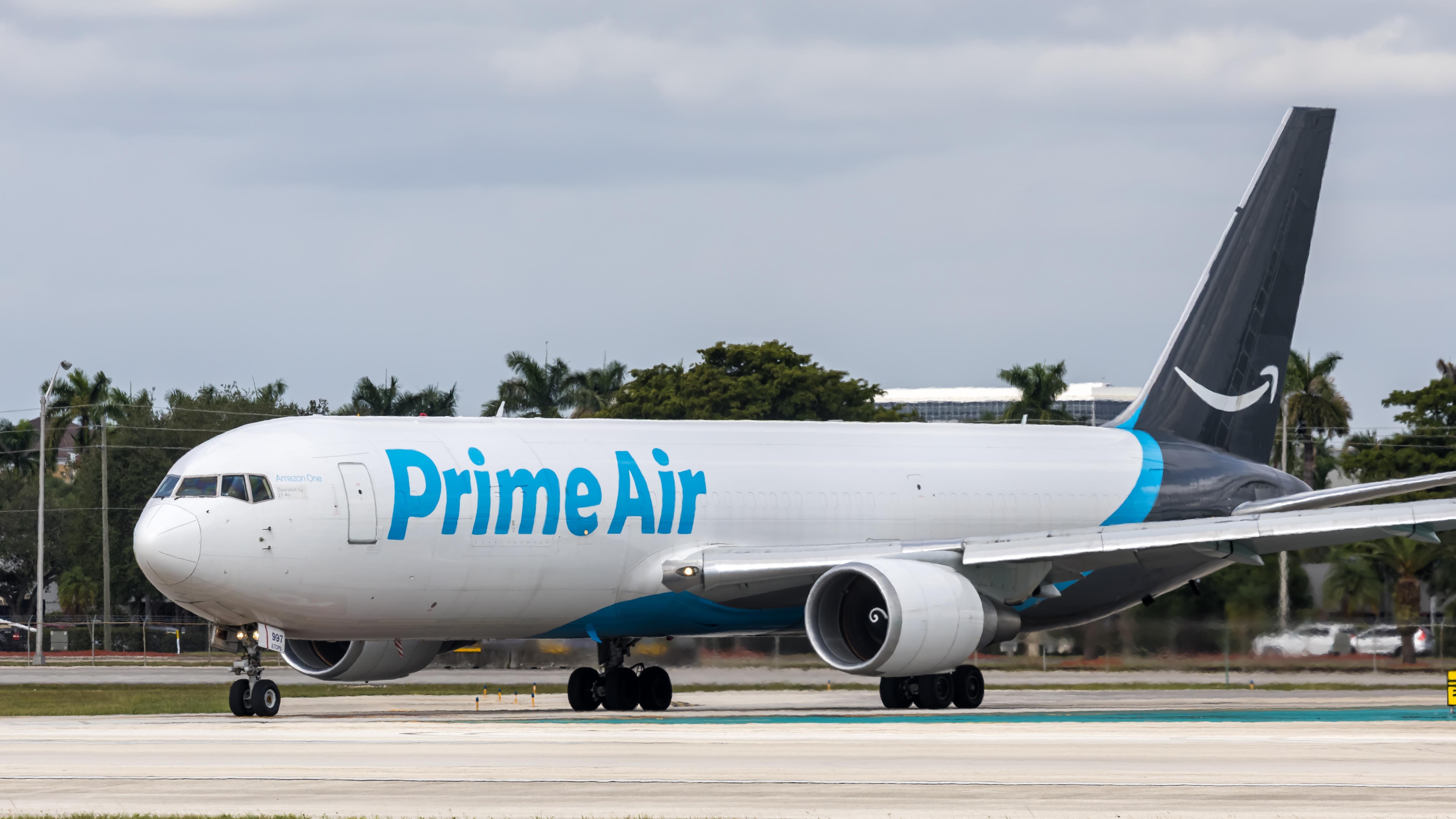
A preliminary report from the National Transportation Safety Board has provided a more detailed look at what happened when a 21 Air Boeing 767 overran a runway at Miami International Airport, killing five people on the ground.
The Boeing Struck Two Ground Vehicles
21 Air Flight 7598 was flying from San Juan, Puerto Rico, to Miami when it overran Runway 30 after landing. The Boeing 767 subsequently struck two ground vehicles. Five people on the ground were killed and three others suffered serious injuries. The two crew members sustained minor injuries.
The NTSB's review of the flight data recorder shows the aircraft touched down well beyond the beginning of the runway.
Concerns About Speed
The nose and right main landing gear touched down at a groundspeed of 158 knots, while the report places the aircraft's main landing gear touchdown about 3,750 feet beyond the runway threshold.
The cockpit voice recorder also captured repeated concerns about the aircraft's speed. About one minute and 42 seconds before the end of the recording, one pilot called for the flaps to be set to 20 degrees while the other warned that the aircraft was traveling too fast. Additional comments about excessive speed followed.
Several automated warnings were also recorded, including two “sink rate” alerts and multiple “too low terrain” warnings. A pilot called for a go-around about 15 seconds before the end of the cockpit recording.
The flight data shows the brakes were initially applied at 146 knots. At 120 knots, the brakes were released and the throttles were increased to a setting consistent with go-around thrust. The throttles were then returned to idle and the brakes were reapplied at 117 knots. The NTSB found no indication in the recorded data that speed brakes or thrust reversers were deployed.
Wind Conditions
The preliminary report also highlights the wind conditions around the landing. About four minutes before Flight 7598 was cleared to land, the air traffic controller had provided another aircraft with winds from 190 degrees at 19 knots, gusting to 22 knots.
The NTSB said Flight 7598 was not on the frequency at that time and the controller did not provide the wind information to its crew when issuing the landing clearance.
The NTSB noted that federal regulations require wind direction and velocity to be provided when authorizing use of a runway when a tailwind component exists.
The investigation remains ongoing. The NTSB has stressed that its findings are preliminary and may change as investigators examine additional evidence and determine what factors contributed to the crash.