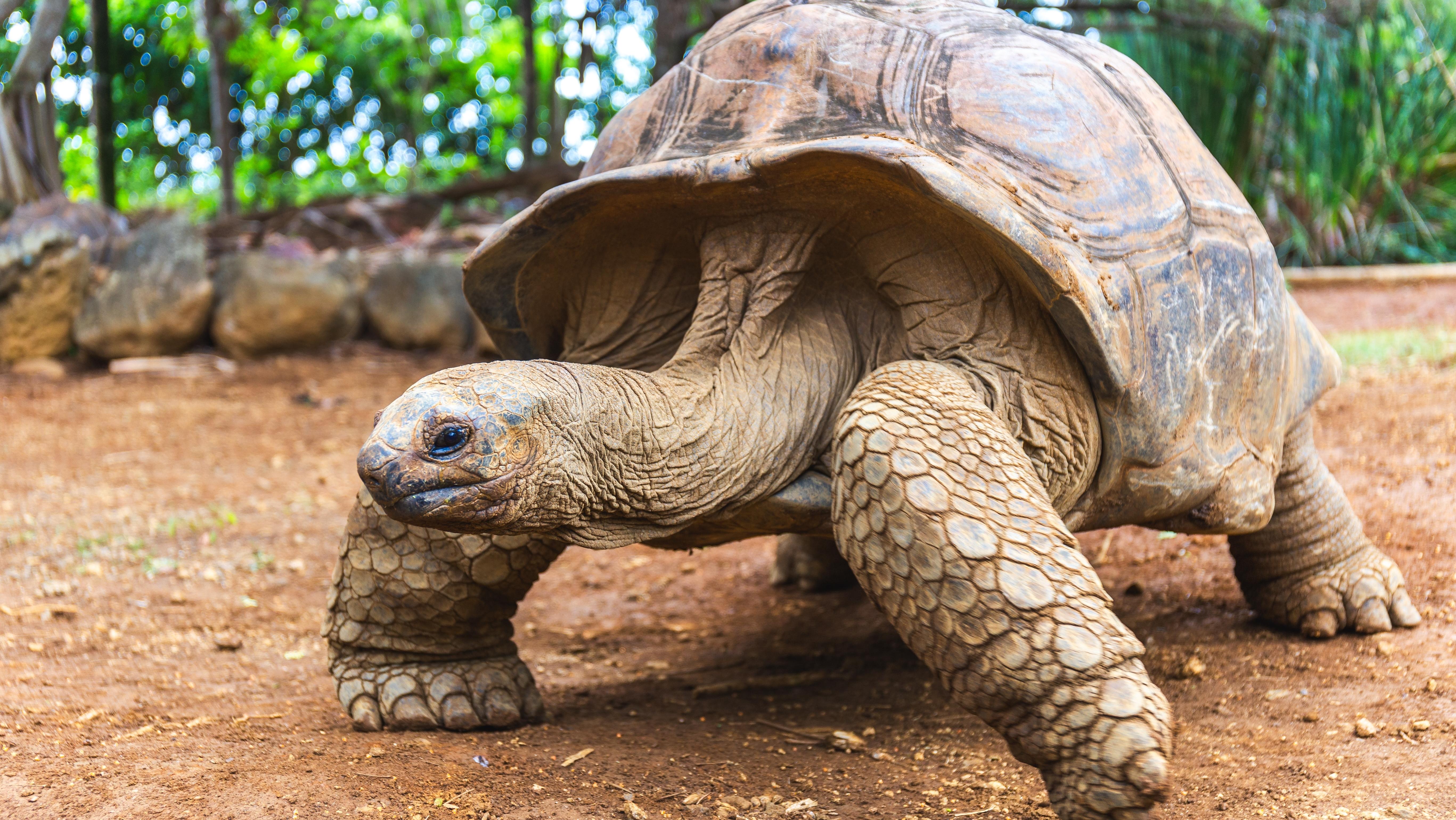
Scientists studying Jonathan, the world's oldest known living land animal, have found genetic and molecular clues that may explain his extraordinary lifespan.
The findings, published in Science Advances on October 7, offer a closer look at how the cells of the Aldabra giant tortoise estimated to be 194 years old may have avoided some of the damage typically associated with aging.
Scientists identified 287 gene variants that differed from those found in the tortoises used for comparison, including genes linked to DNA repair, chromosome protection, inflammation and insulin regulation. The researchers believe some of these differences could help explain his unusual longevity.
Jonathan Likely Hatched in 1832
 St. Helena Island. Photo: Shutterstock
Jonathan lives on the South Atlantic island of St. Helena, where he has spent most of his life in the grounds of Plantation House, the governor’s residence. He arrived from the Seychelles in 1882, already fully grown, and is believed to have hatched around 1832.
To investigate his age-defying biology, researchers examined both his genome and epigenome. While genes provide the instructions for how an organism develops and functions, epigenetic markers help regulate which genes are switched on or off.
One of the most intriguing findings involved DNA methylation, a chemical process that helps control gene activity. As organisms age, these patterns can become increasingly disorganized, a phenomenon researchers measure as methylation entropy.
Jonathan showed this age-related disorder across much of his genome. However, the regions controlling genes involved in mitochondrial function, energy production and related cellular processes were comparatively well organized. The researchers suggest that maintaining these patterns could help preserve gene activity as the tortoise ages.
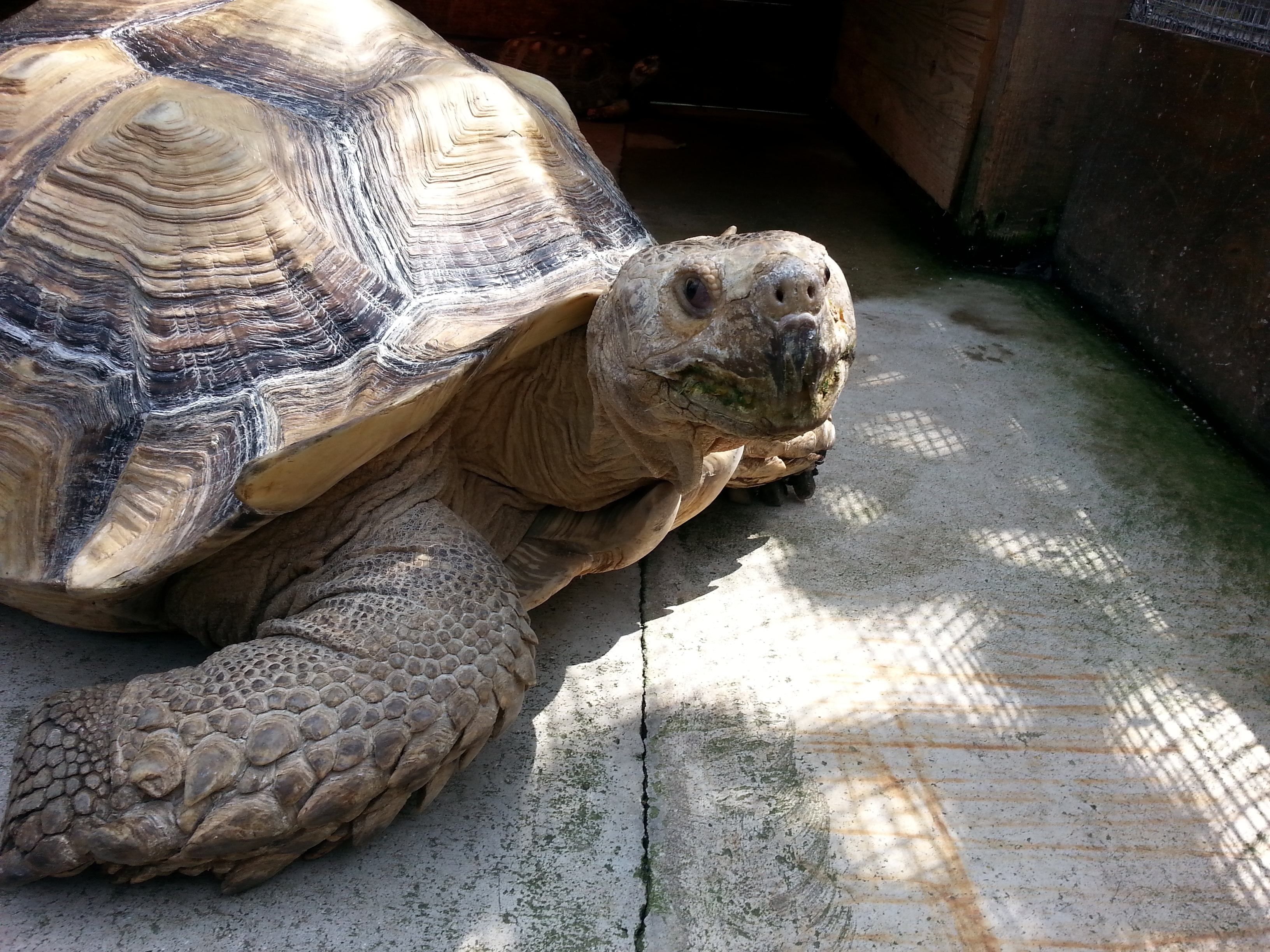 Giant Aldabra turtoise. Photo: Shutterstock
Mitochondria are responsible for producing much of the energy cells need to function. That energy also supports essential maintenance processes, including DNA repair. The team believes that preserving mitochondrial function may help explain how Jonathan has remained alive for nearly two centuries.
Unusual Challenges: They Couldn't Collect Blood
Studying the tortoise presented a series of unusual challenges. Researchers could not collect blood because authorities were concerned about the risk of infection, so samples were taken from inside his mouth.
The DNA was fragmented, requiring the team to fill gaps using a reference genome from another Aldabra giant tortoise.
The results offer potential clues for scientists studying aging in other species, including humans, because several of the biological pathways identified are also associated with human aging. However, the researchers caution that the study does not establish that these genetic and epigenetic features caused Jonathan’s exceptional lifespan.
Further research involving more tortoises and additional biological samples will be needed to determine whether the same patterns occur in other long-lived animals.
For now, Jonathan offers researchers a rare opportunity to investigate what happens inside an organism that has survived far beyond the usual lifespan of its species. His biology may help scientists better understand why aging takes different courses across the animal kingdom, although any application to human longevity remains a question for future research.