The debate over expanding London Heathrow Airport is gaining momentum, amid growing support from business organizations, labor unions, regional airports, airlines and investors.
At the heart of the expansion plan is the construction of a third runway, which is designed to increase Heathrow's operational capacity and enable the airport to cope with the growing demand for flights.
The construction of the runway is expected to allow the expansion of operations of existing airlines and the entry of new companies, the opening of routes to additional destinations and improving connectivity between the UK and markets around the world.
According to Heathrow management, the plan, which is currently being examined in the British Parliament, could lead to the creation of more than 100,000 jobs, attract private investment of £33 billion, and increase Britain's cargo export capacity.
According to a statement from Heathrow management, demand for flights from the airport continues to exceed available capacity. More than 40 airlines are applying for slots that would allow them to operate flights, but the lack of available capacity is making it difficult for new companies to enter and for existing routes to expand. Heathrow claims that expanding the airport will allow for additional airlines and destinations, increase competition and improve flight options for passengers.
Traffic data published by the airport indicates that in September 2026, approximately 7.18 million passengers passed through Heathrow, a decrease of 2.3% compared to September last year. Of the total passengers, almost 1.4 million were connecting passengers, using the airport as a transit station between flights.
At the same time, cargo traffic at the port increased by 5.4% in September compared to the same period last year, totaling approximately 131,000 tons. Heathrow management notes that the expansion of the port will allow for an increase in cargo capacity by 50%, a move that may support British exporters. Heathrow is defined in the announcement as the largest port in the United Kingdom by the value of cargo that passes through it.
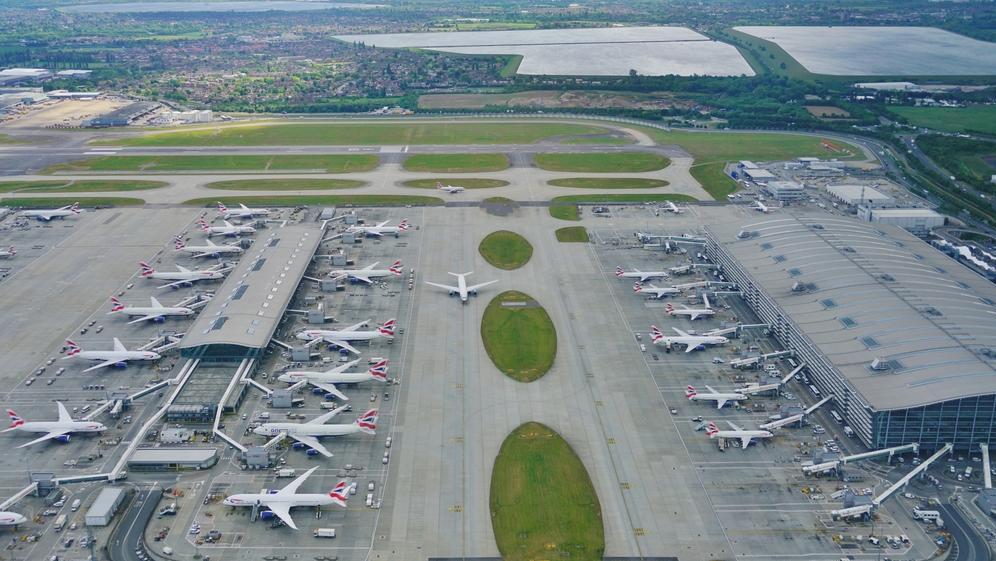
 London Heathrow Airport. Photo: Shutterstock
The plan is supported by business and trade unions including the GMB, Unite and TUC, who highlight the employment potential and opportunities for the local supply chain. The port authority estimates that the project could also include 5,000 apprenticeship training places. The UK government estimates that it will require around 400,000 tonnes of steel, equivalent to around a sixth of the country’s annual production.
A survey of more than 9,000 residents in nine boroughs across London, Surrey and Berkshire found that 68% supported the expansion plan. Heathrow said the support was linked to the prospect of job creation and economic opportunities in the area.
It was also reported that the British Transport Minister, Heidi Alexander, recently confirmed that the expansion can be promoted while meeting the UK's commitments to achieve net zero emissions by 2050.
Heathrow CEO Thomas Woldby is expected to present the port's position to Parliament's Transport Committee later this week, as part of the debate on the National Policy Statement for the expansion of the port.