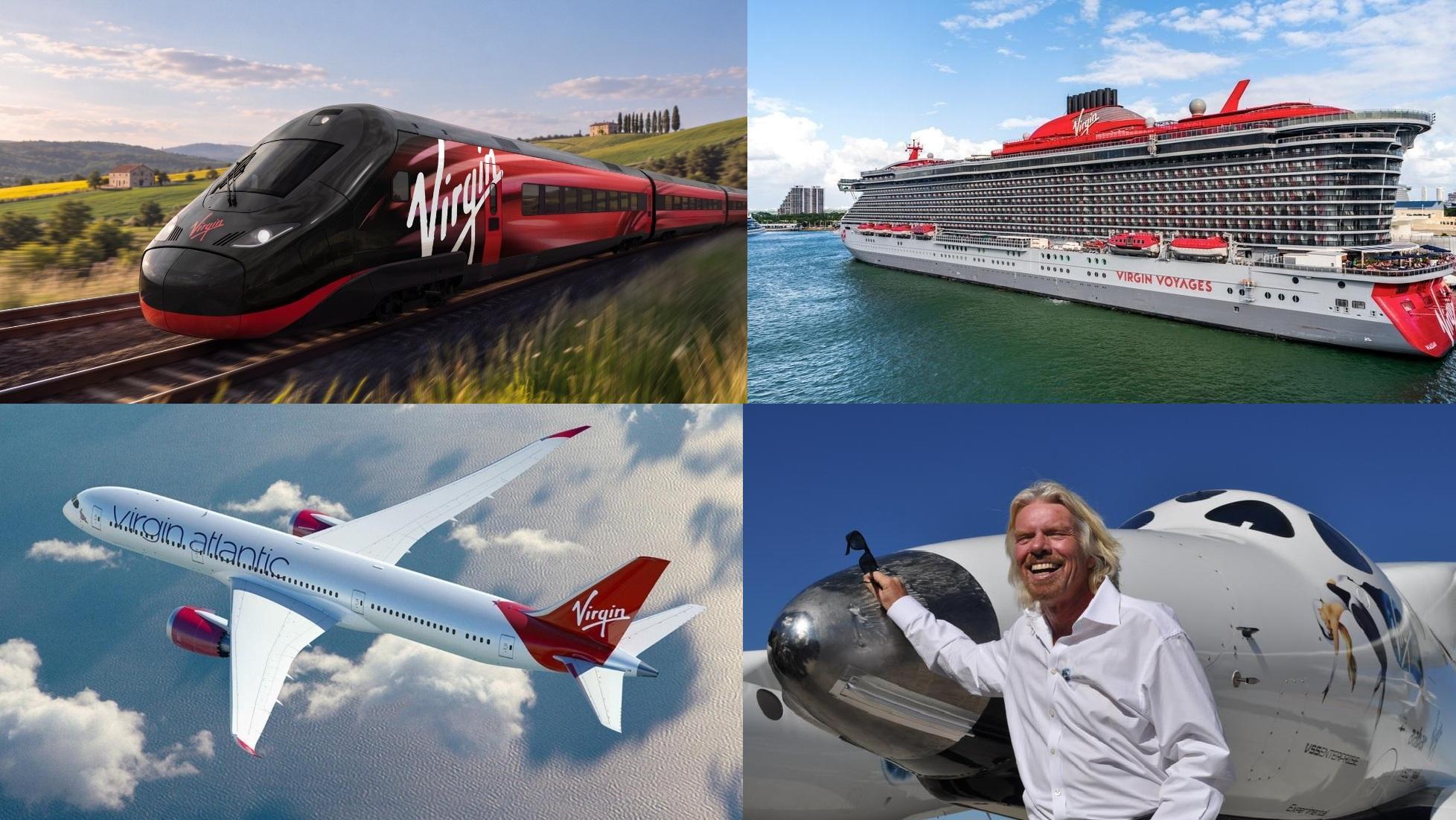
When you think of Virgin, many people immediately think of Virgin Atlantic and its charismatic founder, Sir Richard Branson. But behind the familiar red brand lies a large-scale international investment group, operating in diverse fields. From tourism and hospitality to technology, healthcare, communications and venture capital investments.
Now, with plans to enter the high-speed rail market between the UK and mainland Europe, the group is seeking to expand its presence in the world of tourism and create a further connection between transport, hospitality and entertainment.
It All Started With Music
Richard Branson founded the Virgin business in 1970, when he began selling records by mail order. The business developed into Virgin Records, which became one of the world's most prominent independent record labels, and from there Branson continued into other areas. In 1984, Virgin Atlantic was founded, marking the brand's entry into aviation and the ambition to offer passengers a different service experience than usual.
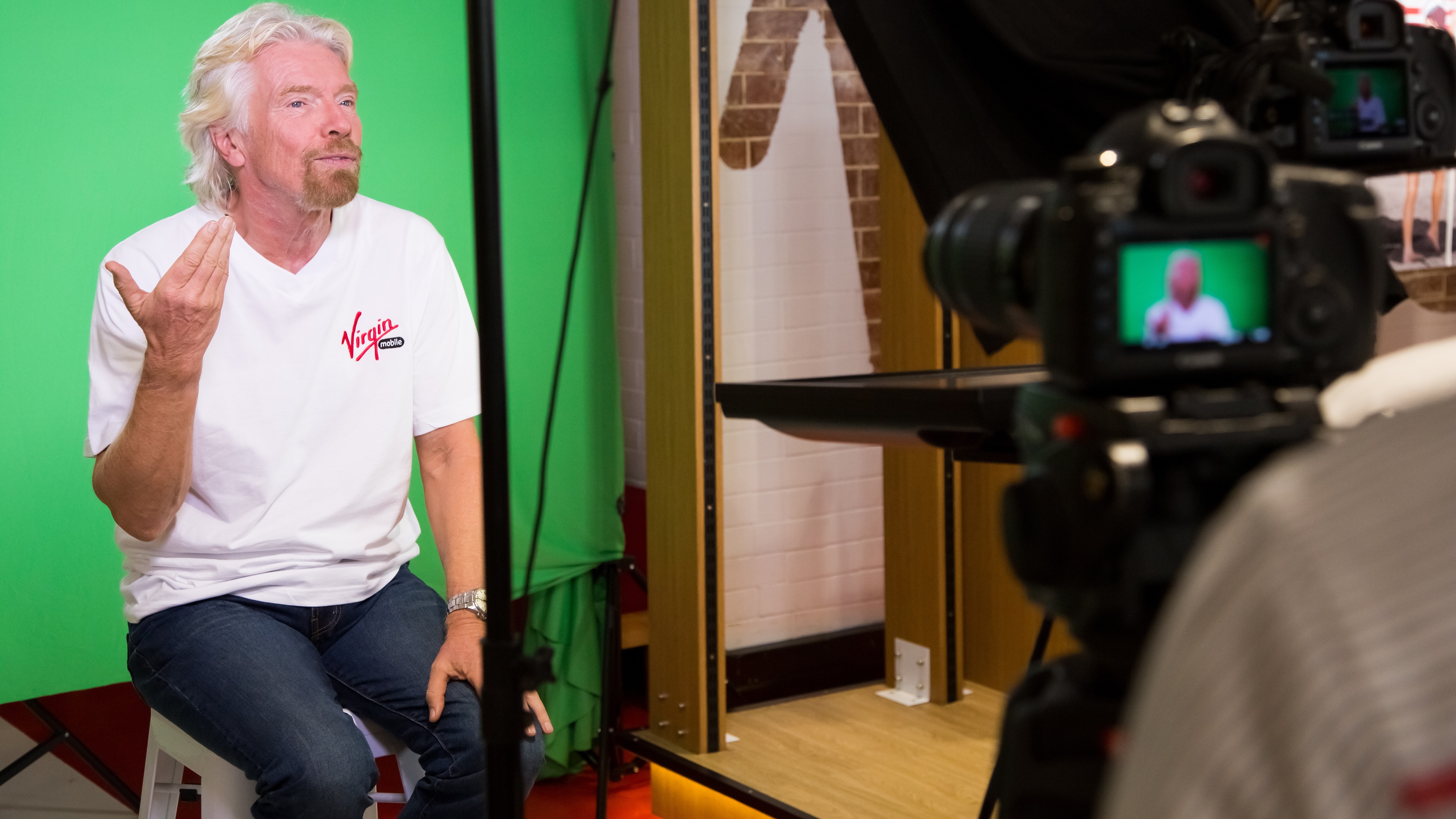 Richard Branson. Photo: Shutterstock
Since then, the brand has expanded to dozens of companies operating in more than 35 countries. However, it is important to distinguish the Virgin Group from any company that bears its name: the group owns some businesses, invests in others and licenses the use of the brand to companies it does not own. Branson is the founder of Virgin, but does not directly own any of the businesses that operate under the name.
The group's new move is to enter the rail market, on international routes via the Channel Tunnel. Virgin plans to operate up to 20 round trips a day between London and Paris, Brussels and Amsterdam from 2030, and add almost 7.5 million seats a year. To this end, it has signed an agreement with French train manufacturer Alstom to supply 12 Avelia Stream trains, with speeds of up to 300 km/h, designed with interior spaces adapted for international travel. Alstom will maintain the fleet under a 30-year contract.
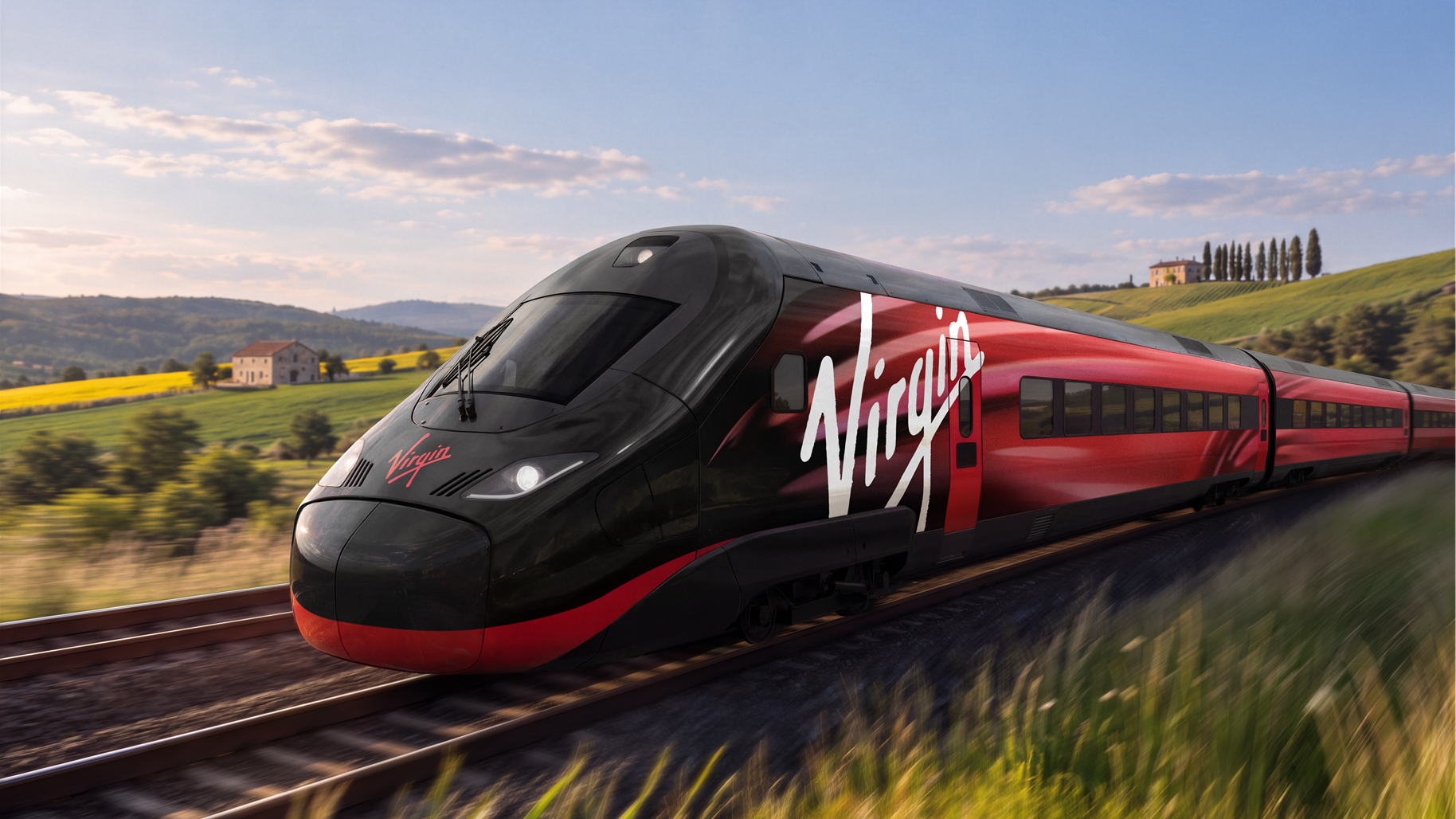 Virgin Train. Photo illustration: Virgin
The aim is not just to add capacity, but to compete with Eurostar by making the travel experience part of the holiday itself. The company plans to take inspiration from Virgin Atlantic’s hospitality clubs, the dining experience of cruise line Virgin Voyages and the design of the group’s hotels. It is also exploring a combination of rail and air, so that passengers arriving in London on Virgin Atlantic flights can continue to European destinations by rail.
Virgin has previous experience in the industry. Virgin Trains previously operated train services in the UK. Branson presents the new venture as continuing a tradition of challenging established operators through service and changing the customer experience. However, the new international service still requires operational readiness and obtaining the necessary approvals.
Business Fan: Cruises, Hotels, and Even Space
Branson's many businesses are at sea, in the air, on land and in space. Virgin Voyages is the brand's cruise line, focusing on adults-only cruises, with an emphasis on restaurants, entertainment and a boutique hotel-style hospitality experience. A Northern European and Baltic Sea cruise season is also planned for 2028, with departures from Amsterdam to Scandinavian destinations and even a route beyond the Arctic Circle.
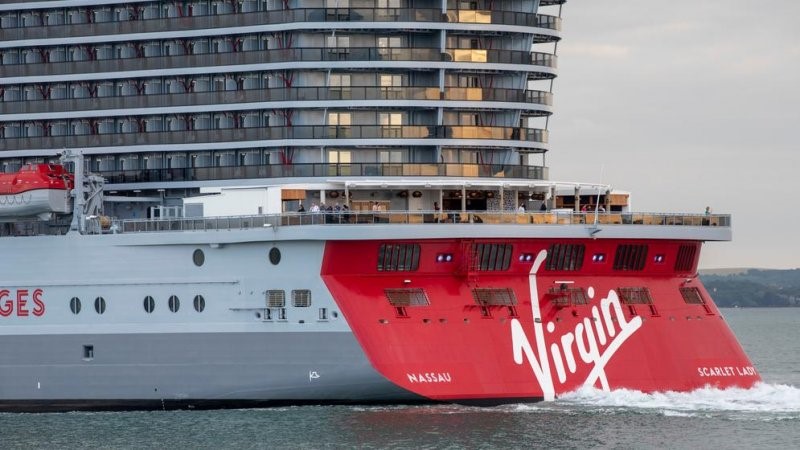 Virgin Voyages. Photo: Shutterstock
Alongside the well-known activities of Virgin Atlantic Airline , in recent years the company has invested in the field of flying taxis . The service, which works in collaboration with Joby Aviation, is intended to connect city centers in the UK with major airports in the future.
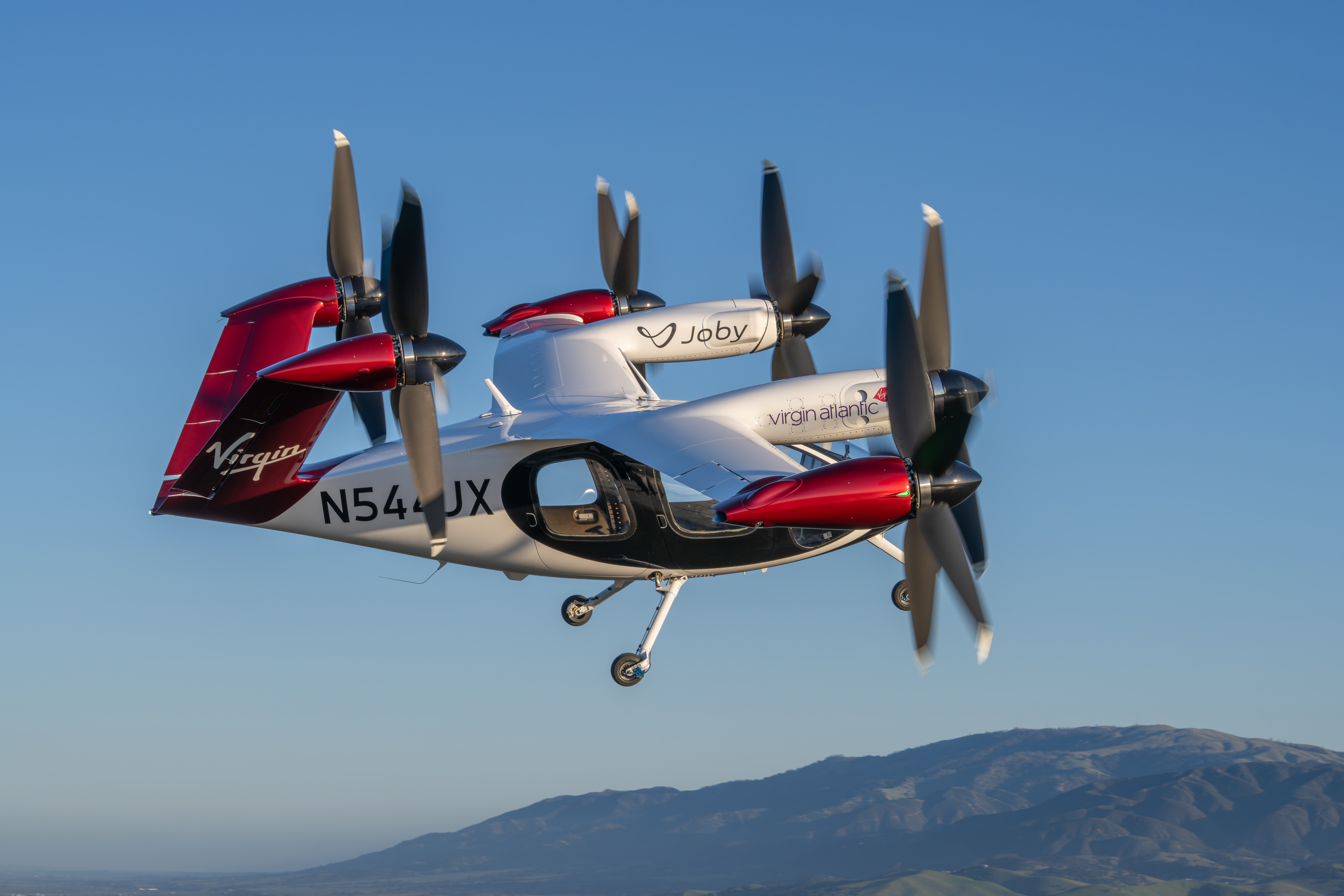 Virgin Atlantic and Joby Aviation air taxi. Photo: Joby Aviation
Virgin Hotels Collection is a hotel arm that includes unique hotels and resorts across a range of tourism levels. The group aims to expand into urban destinations and other resort properties, combining design, cuisine and local culture.
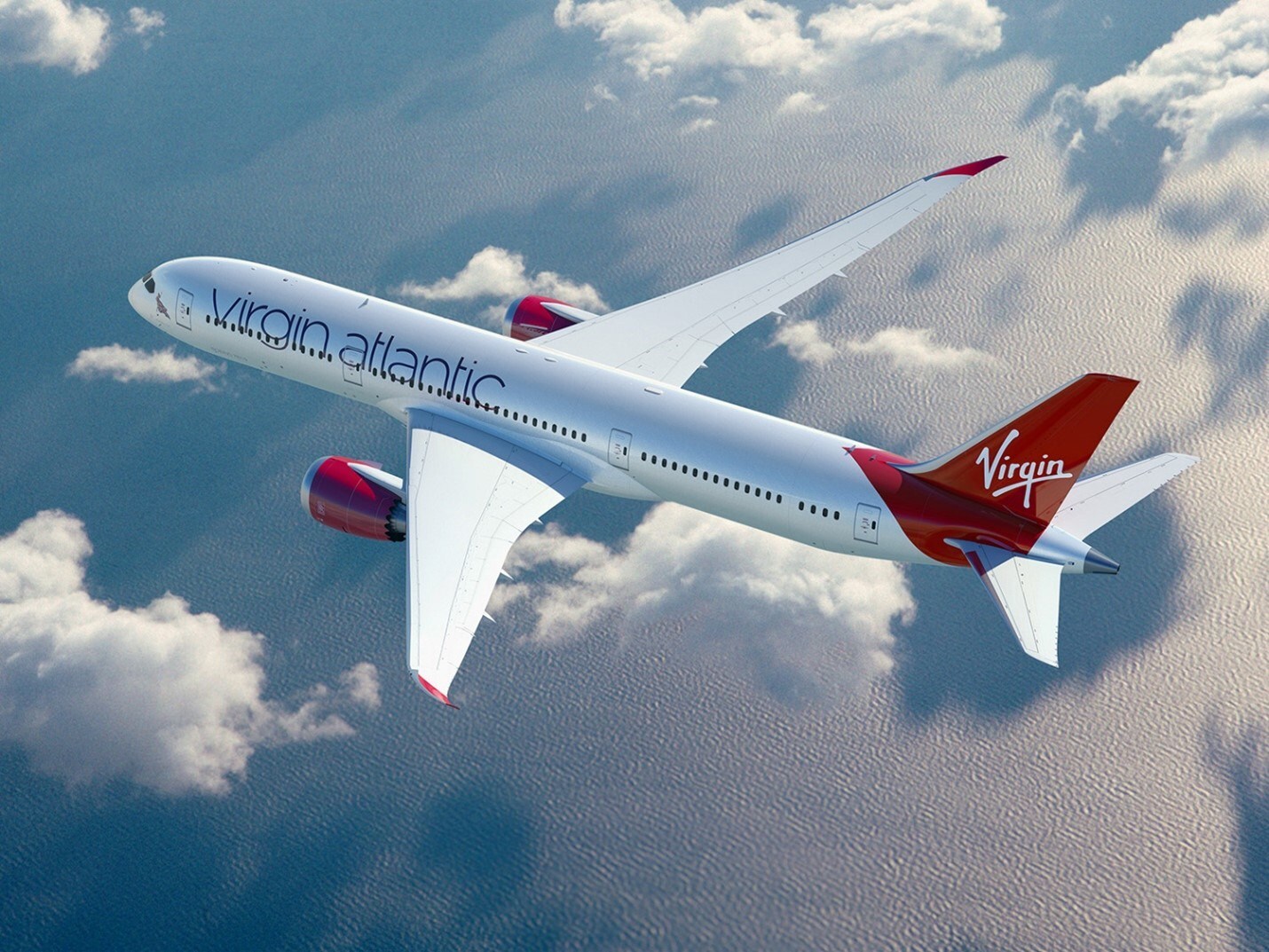 Photo: VIRGIN ATLANTIC
Virgin Galactic: The group has also invested in space through Virgin Galactic, the public spaceflight company in which it holds an investment. Branson himself participated in a spaceflight in 2021, a move that made the tourism vision of commercial spaceflight part of the brand's story.
Alongside tourism, Virgin's investment portfolio also includes technology, fintech, digital health, mobility and renewable energy ventures. The group operates through direct investments, partial holdings and brand licensing, so not every company affiliated with Virgin is wholly owned.
The bottom line is clear: Virgin is trying to build a complete system of experiences around the passenger. from the flight, through the train, to the hotel or cruise. If the new venture is successful, the competition for passengers between Britain and continental Europe could become not only a battle over price and speed, but also over the way the vacation begins before arriving at the destination