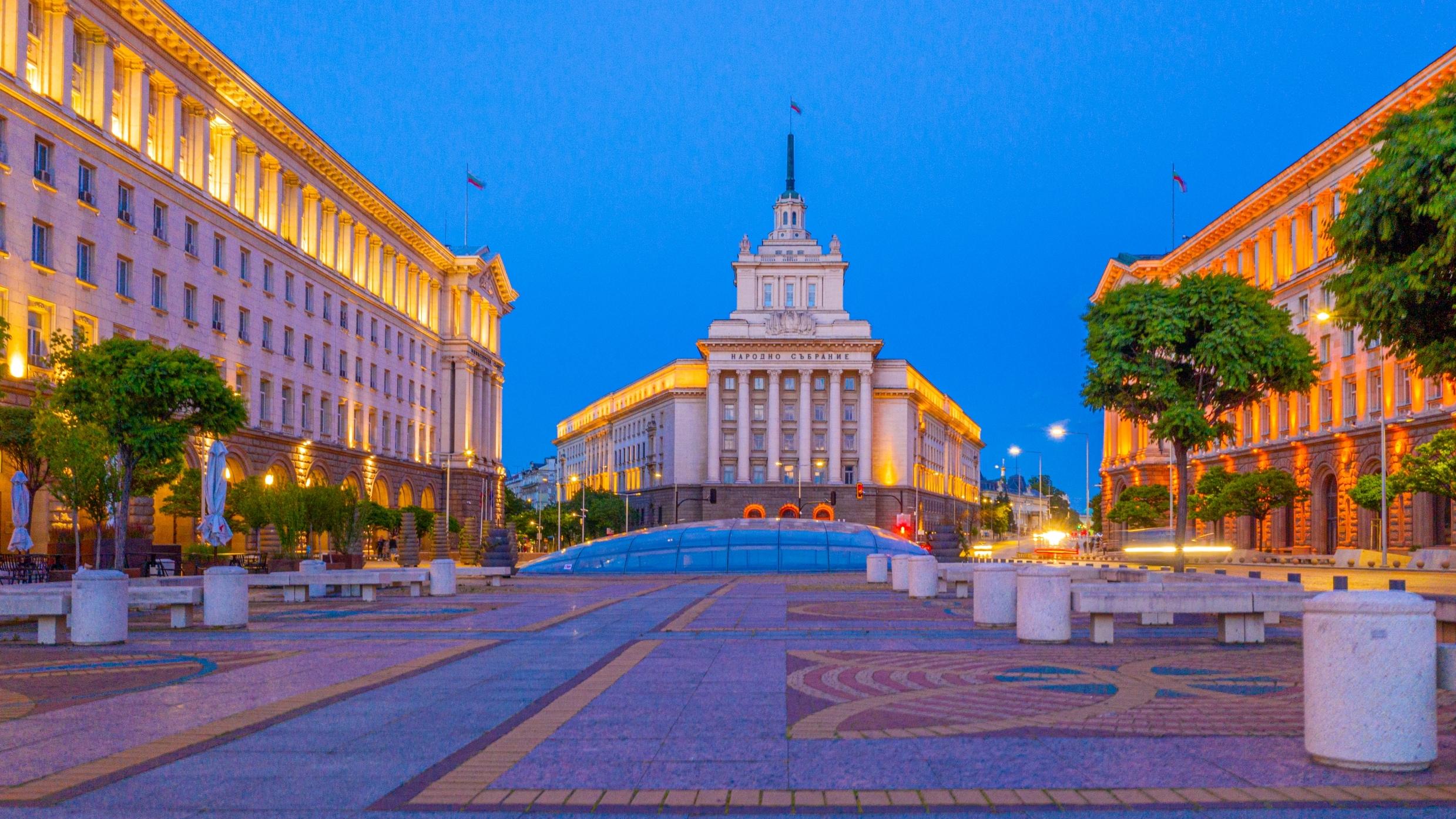
Roman ruins beneath modern streets, naturally warm mineral springs, a tram ride through leafy surroundings, and affordable accommodation and food: Bulgaria’s capital offers plenty for a memorable city break. Sofia combines historic landmarks with a lively café culture, traditional food, unusual art spaces and easy access to the mountains, without the crowds often associated with Europe’s major capitals.
A Day of History, Coffee and Bulgarian Food
Start the morning at Cafe 1920, a popular brunch spot known for its food and coffee. It can get busy, so be prepared for a possible wait. From there, walk to the Central Mineral Baths, one of Sofia’s most recognizable historic buildings.
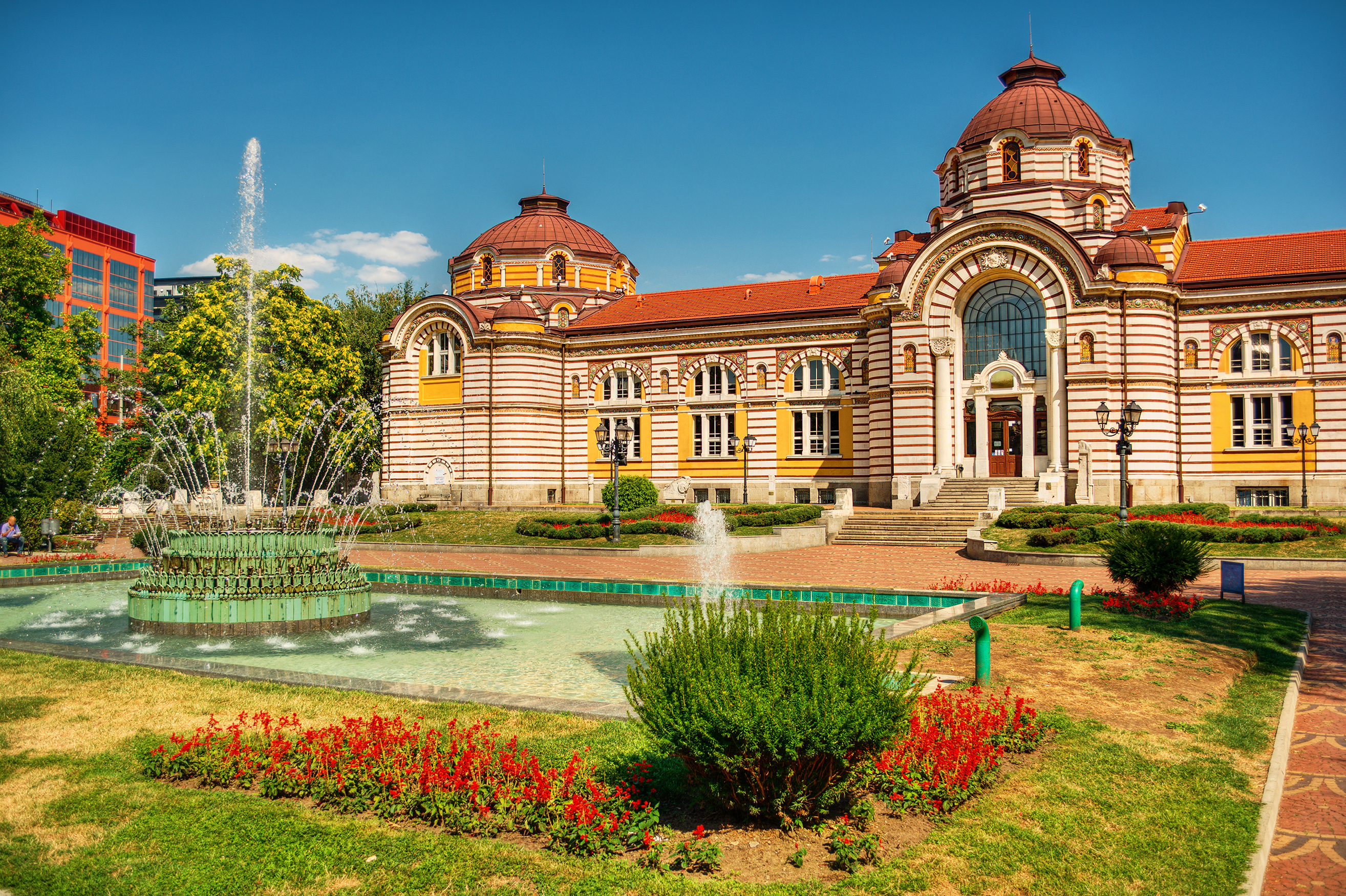 Central Mineral Baths in Sofia. Photo: Shutterstock
Although the former public bathhouse is no longer operating as a traditional bathing facility, the public mineral-water fountains nearby remain a local fixture. Residents regularly stop to fill bottles with naturally warm water, continuing a habit that dates back centuries.
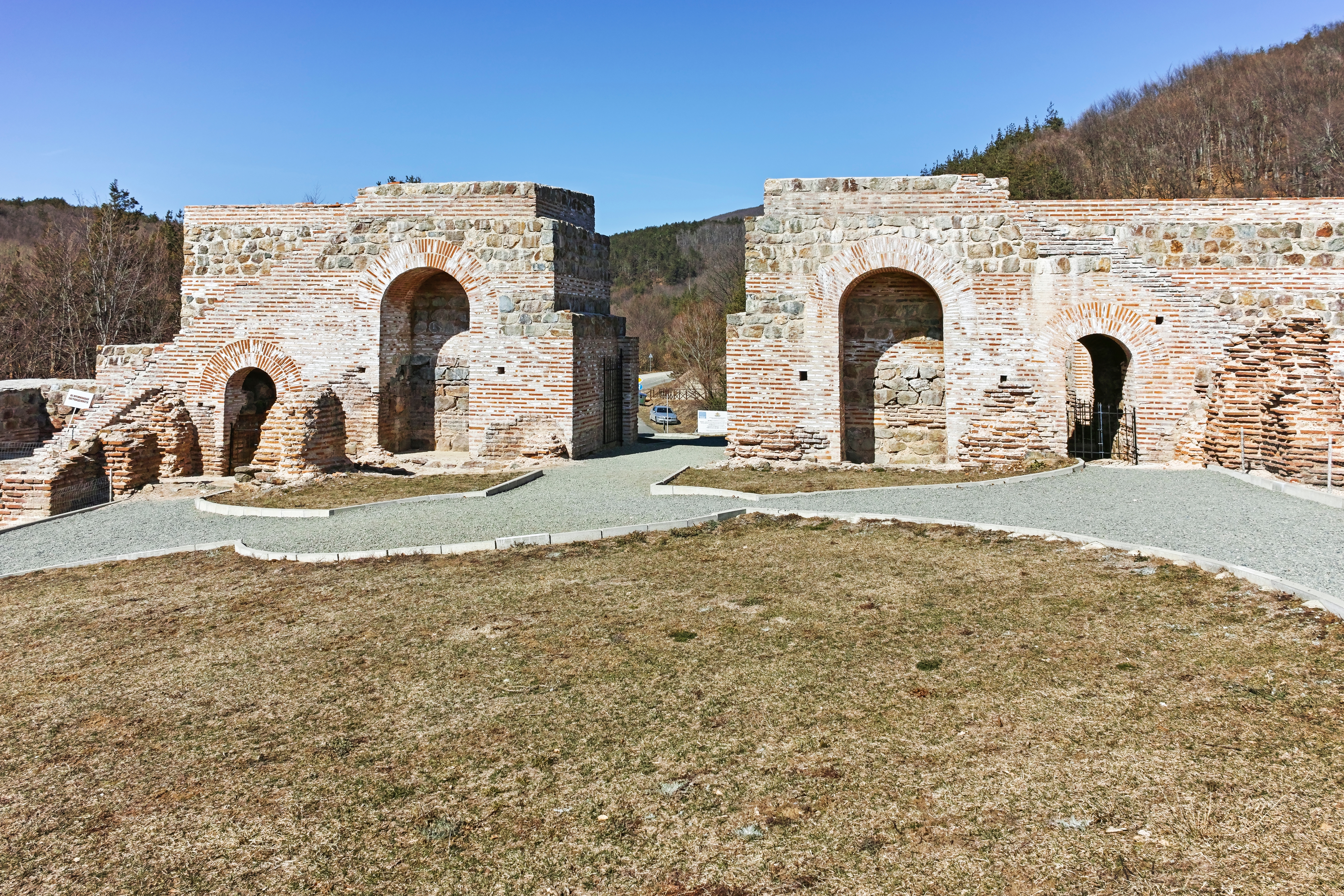 Roman ruins. Photo: Shutterstock
Continue to the Ancient Serdica Cultural Complex, where sections of Roman streets, residential buildings, courtyards and water systems can be explored beneath modern streets and buildings. Sofia grew around the ancient settlement of Serdica, and the archaeological remains make the city’s history tangible without requiring a visit to a conventional museum.
A short walk away, the former Royal Palace houses the National Art Gallery and the National Ethnographic Museum. The collections offer a closer look at Bulgarian art, traditional clothing, crafts and everyday life.
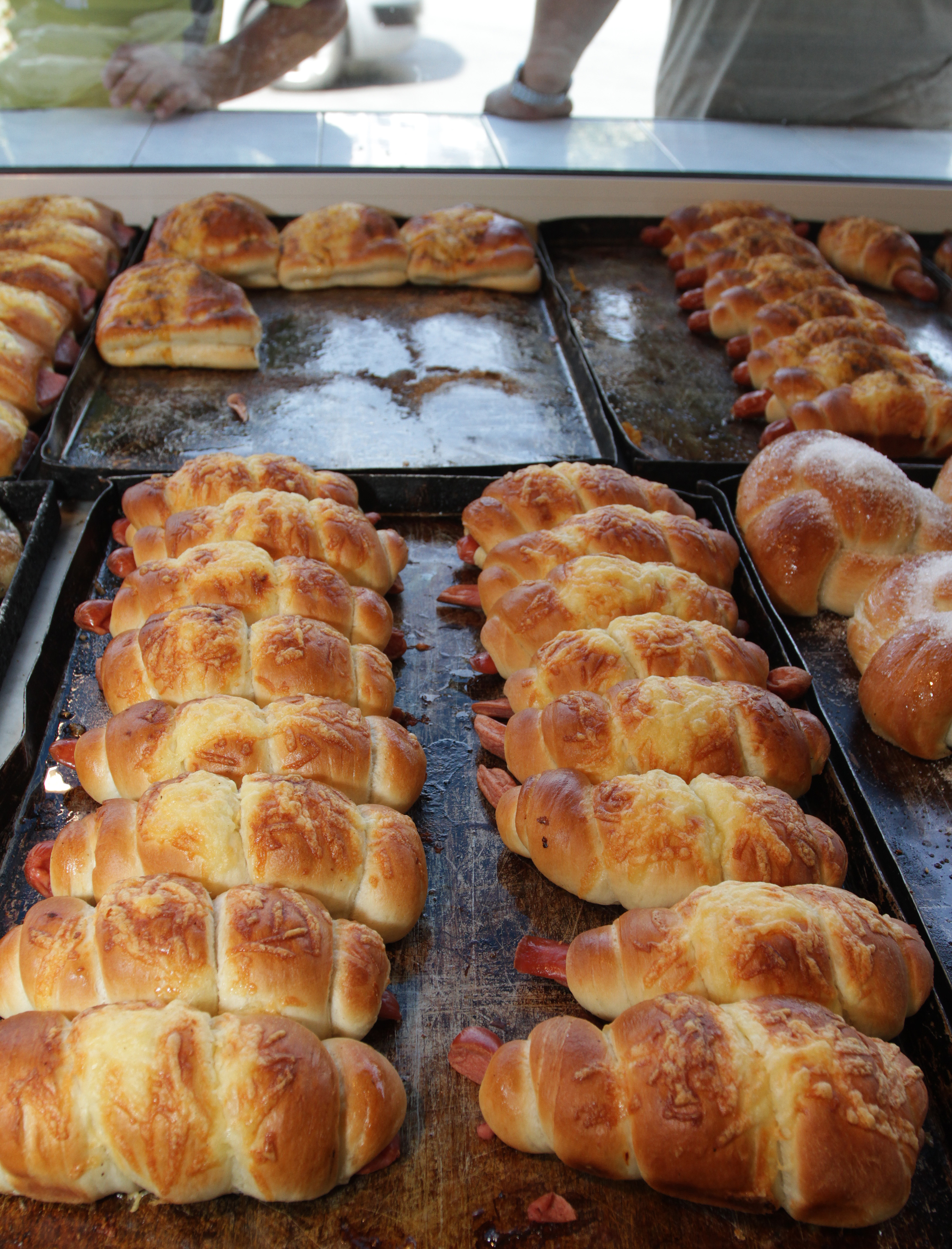 Banitsa. Photo: R R / Shutterstock.com
For dinner, head to MoMa, a restaurant known for Bulgarian cuisine and interiors inspired by traditional local culture. Try banitsa, a flaky pastry filled with cheese, or shopska salad, made with tomatoes, cucumbers, peppers and grated white cheese. Look out for dishes seasoned with samardala, an aromatic Bulgarian herb commonly mixed with salt. Packaged samardala from a local supermarket can also make an unusual souvenir.
Rakia, a fruit brandy popular throughout the Balkans, is another local staple. Pay attention when ordering: serving sizes can be larger than visitors expect, so check the menu before choosing.
 Rakia. Photo: Shutterstock
The Secret Corners Most Visitors Miss
Sofia has plenty to offer beyond its best-known landmarks. One unusual stop is Vishneva tram stop, a small, house-like shelter tucked among trees in the Lozenets area. Tram line 10 passes the stop, offering a different perspective on the city as the route travels through greener residential surroundings.
For a drink in a different atmosphere, look for Ganci Room, a small bar with a Gatsby-inspired style. Vintage furniture, glassware and decorative details give it a character distinct from the city’s larger, more conventional bars.
Art lovers can seek out Swimming Pool, an independent contemporary art space associated with a building that once had a rooftop swimming pool. Another distinctive venue is Gallery +359, housed in a historic water tower in the Lozenets neighborhood.
If you’re looking for the stranger side of Sofia, check the The Red Flat musem, an apartment recreated to look like an ordinary Bulgarian home in the 1980s, during communist rule. Expect period furniture, household objects, propaganda and everyday details that show how people lived behind the Iron Curtain. The experience uses an audio guide.
The Earth and Man National Museum is dedicated to minerals, gems and crystals, with oversized natural formations that look almost unreal. It’s an unexpected choice in a city better known for its churches and Roman remains, and a good stop for anyone fascinated by geology or natural curiosities.
The Museum of Illusions offers perspective tricks, visual puzzles and interactive installations. Rooms and exhibits are designed to confuse your eyes and make for unusual photos.
The Rakia Museum is a niche stop devoted to rakia, the fruit spirit popular across the Balkans. It offers a different angle on Bulgarian drinking traditions and local food culture. Check whether a tasting or guided experience is available before visiting.
Families and curious travelers can also look into Sofia’s planetarium for space-themed presentations, checking the current program and booking arrangements before visiting.
A Special Autumn Evening of Lights
Visitors in autumn 2026 have another seasonal attraction to consider: Whisper of Lights, an outdoor evening experience at the Botanical Garden of the Bulgarian Academy of Sciences in Sofia. The event is scheduled to run until November 14, with evening sessions listed from 8:30 p.m. to 11 p.m. and Mondays off.
The route covers around 1.2 kilometers and features illuminated installations, colorful displays, and themed scenes designed for families, couples, and groups of friends. Allow roughly an hour to an hour and a half to walk through the experience. Tickets are sold separately, and the event may be affected by bad weather, so check the official website before traveling.
Getting Around and Escaping to the Mountains
Sofia’s metro, trams and buses make it possible to explore much of the city without renting a car. For the center, walking is often the easiest way to connect major sights, while public transport helps reach outlying neighborhoods and attractions.
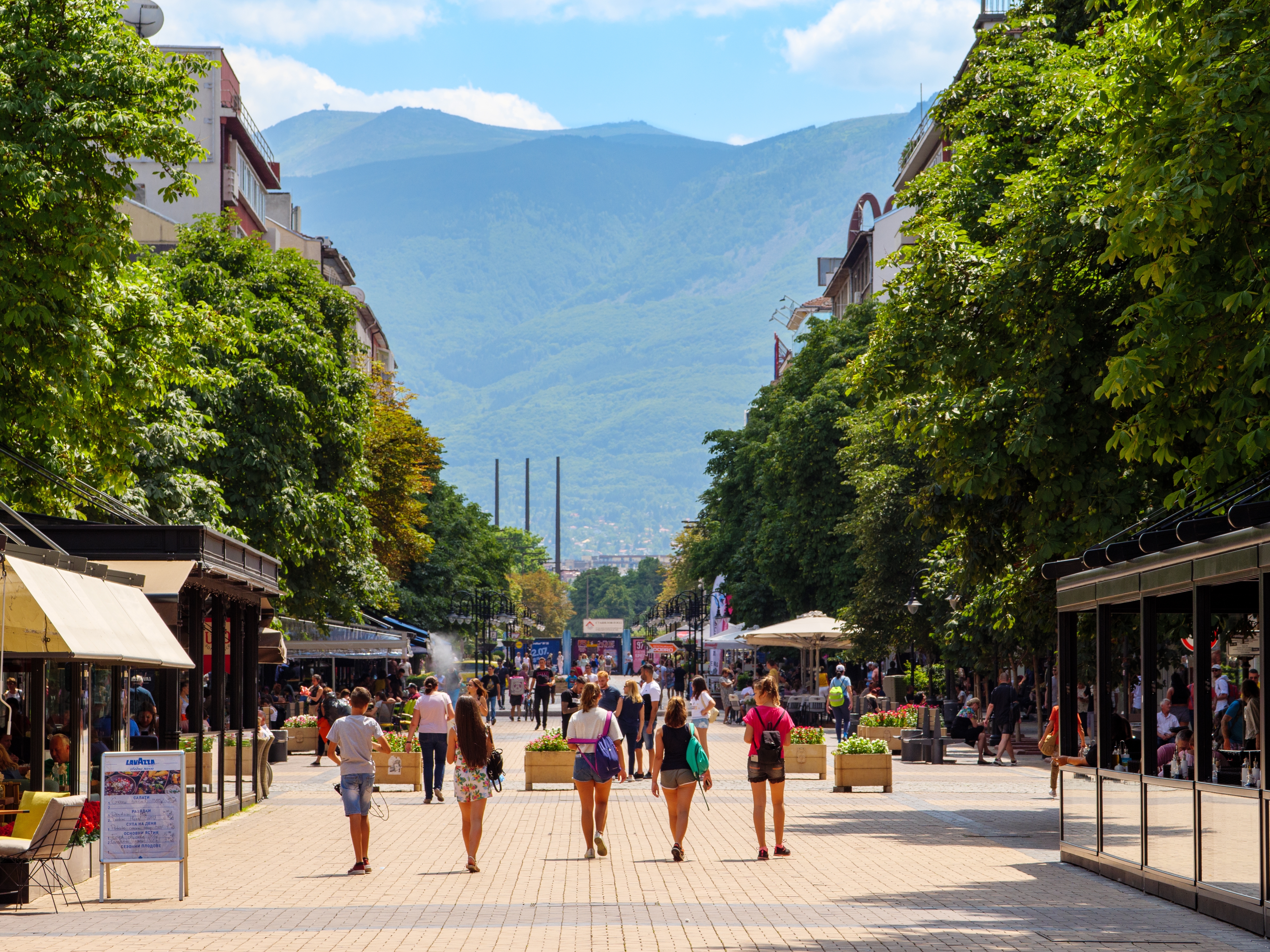 Vitosha Mountain. Photo: Alex Segre / Shutterstock.com
Nature is never far away. Vitosha Mountain rises above the city and offers hiking routes, forest scenery and views across Sofia. Conditions vary with the season, so check trail and weather information before heading uphill. In winter, festive lights and seasonal markets add another reason to visit.
For snow and skiing, Borovets is roughly an hour or more away by road, depending on traffic and weather. Bansko is farther away and better suited to a longer excursion, combining access to a ski area with a historic old town of cobbled streets and traditional taverns.
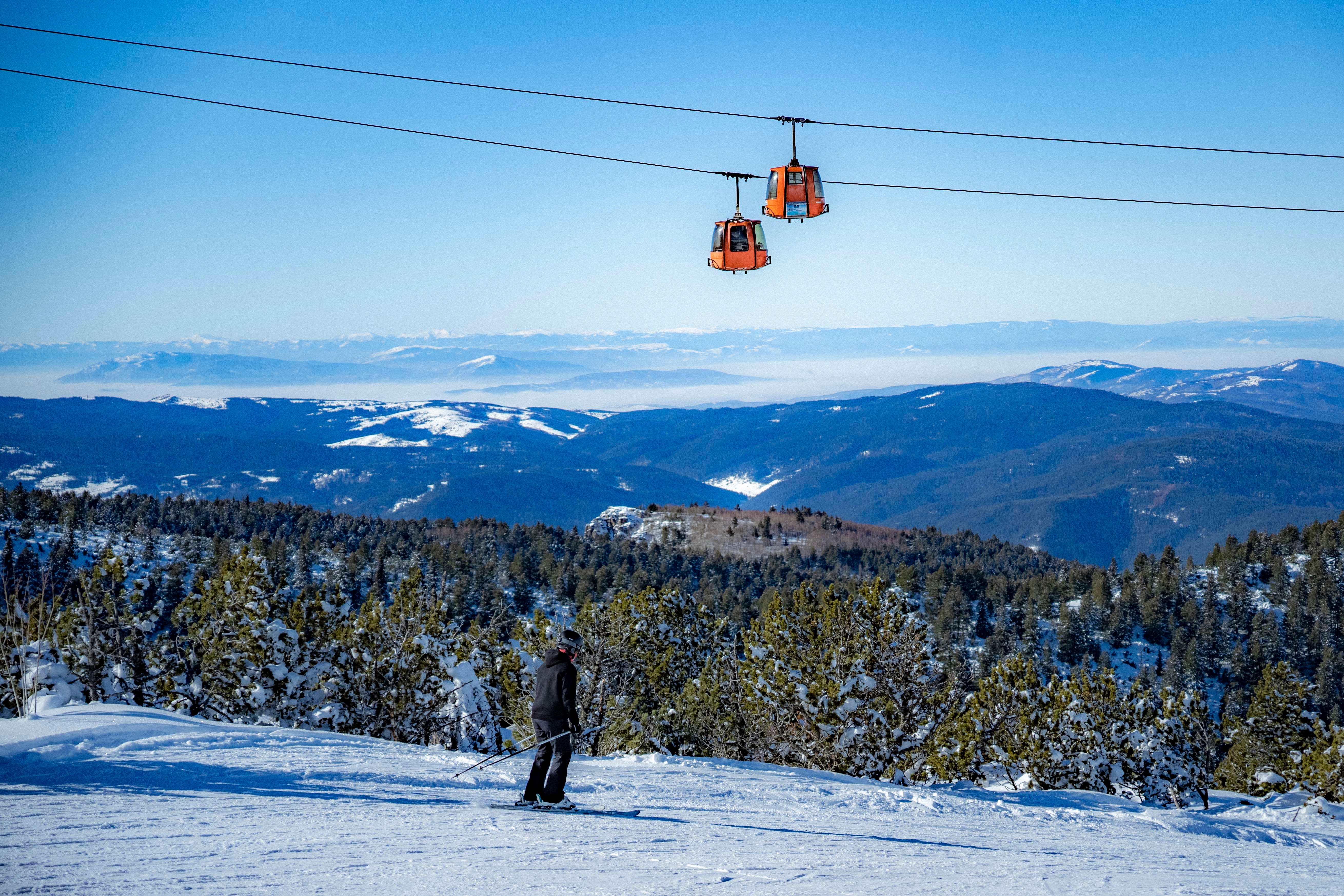 Borovets. Photo: Shutterstock
As for accommodation, for two adults and two children in November, we found a one-bedroom apartment with a living room, a balcony, A/C, a kitchenette, and a washing machine, and free WiFi is available throughout the property, for only 35 EUROS per night.